How You Live Today Is Your Privilege
In Hōren-chō, Nara, there stands a temple called Futai-ji. The principal image in the main hall is a standing figure of Kannon, pale-faced and gentle, with ribbon-like ornaments above each ear. It is said to have been carved by Ariwara no Narihira himself, and so it is also known as the Narihira Kannon.
This ground was once a modest thatched residence built by Emperor Heizei. He had stood at the very summit of the court. Yet after he stepped down from the throne and tried to return to power, he came into conflict with the reigning Emperor Saga, and everything came to an end for him. Here, he took the tonsure. His son, Prince Abo, and later his grandson, Ariwara no Narihira, both came to dwell on this same ground. In 847, Narihira carved the Kannon image and named this place Futai-ten Hōrin-ji.
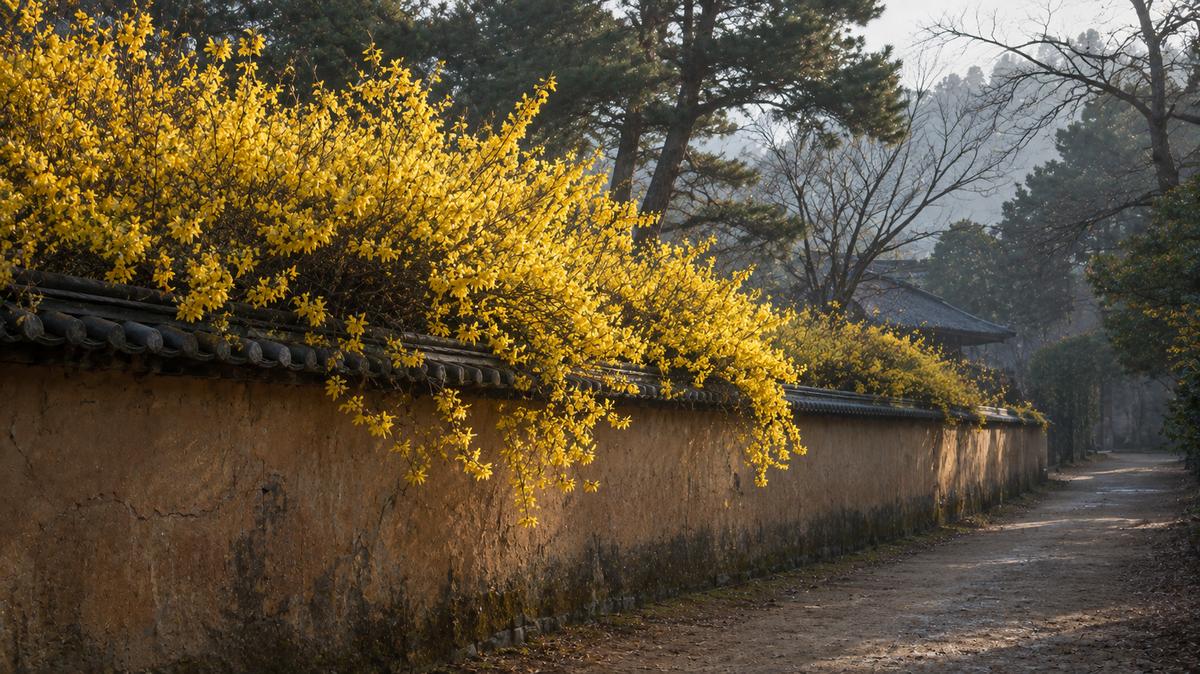
Futai means never turning back. In the temple grounds today, forsythia, iris, and chrysanthemums quietly bloom in their seasons. A pagoda from the Kamakura period stands among the trees. Visitors press their hands together before the main hall for a while, then walk out through the gate, treading on the colored leaves.
In life, there may be no end to the failures you would rather not remember, the bitter memories, the unbearable sorrows, and the suffering that feels like hell.
Even so, how you live this day, this very moment, is a privilege given to you, and to you alone.
Whether to let it become a day dragged down by the past, or to make it an entirely different day — that is for you, and you alone, to decide.
A person who had once stood at the very summit of the court, and for whom everything had come to an end, arrived at this small, thatched residence. On that same ground, someone of a later age built a temple and gave it a name that means never turning back. The temple does not tell what happened here. It only holds those two characters, futai, above the gate, even now.