Words of Wisdom
 Word 205
Reflect on Why It Happened, and Act So It Never Happens Again
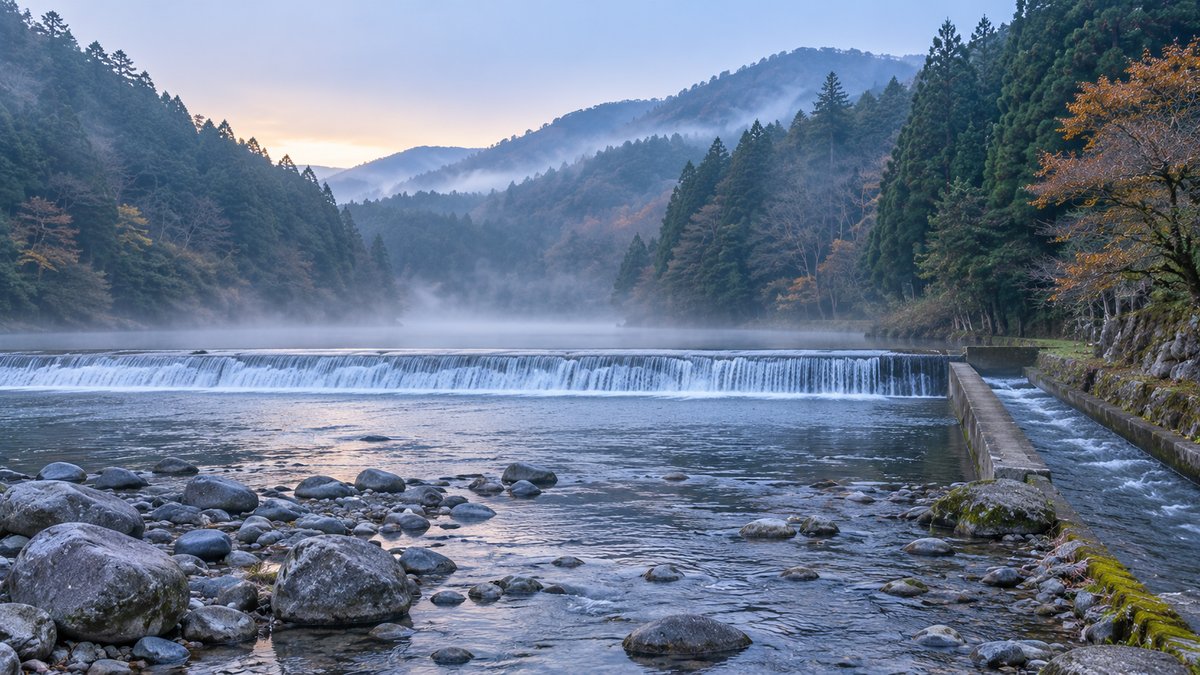
Shimobuchi Head Works (Shimobuchi, Oyodo Town, Yoshino District, Nara Prefecture). The intake of the Yoshino River diversion, which divides the river's water and carries it through tunnels to the Yamato plain. Completed in 1974. The idea of bringing Yoshino River water into the basin is said to have been put forward in the Genroku era of the Edo period by Takahashi Sasuke, a village headman of Nagara, now part of Gose City, and construction began in 1952.
Read more →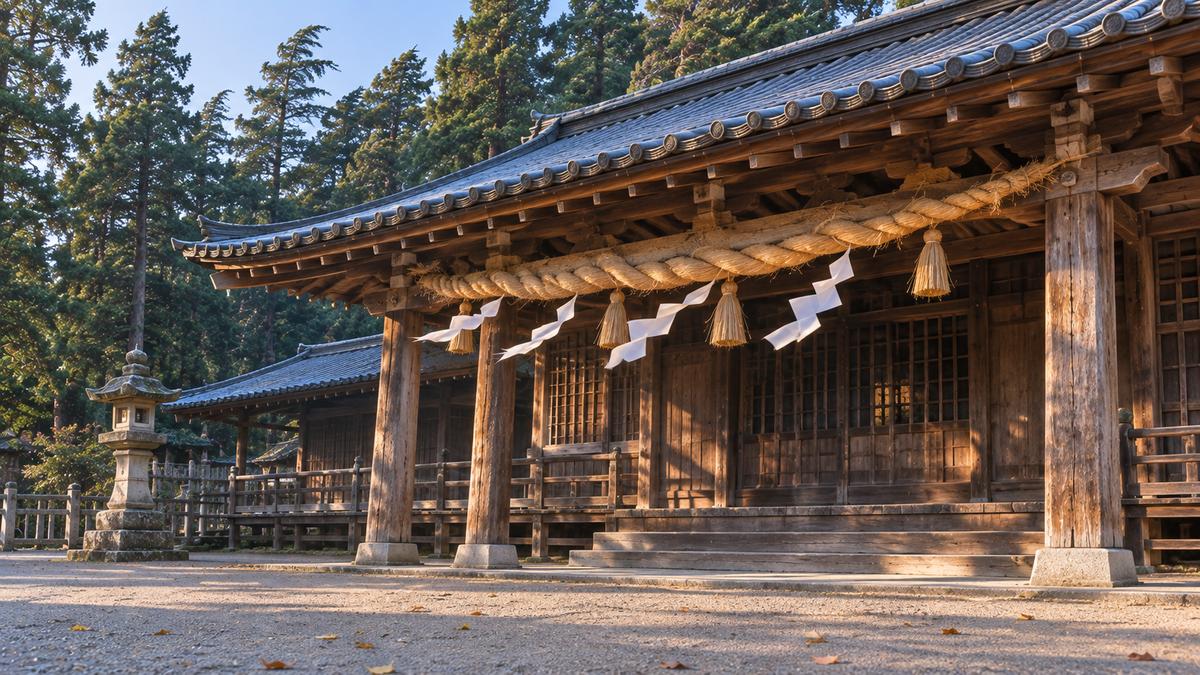 Word 204
Track Down the Cause of What Is Unfavorable
Tatsuta Taisha (Tatsuno-minami, Sango Town, Ikoma District, Nara Prefecture). A shrine to the gods of gales and breezes, Ame-no-Mihashira and Kuni-no-Mihashira. According to the shrine, it was founded in the time of Emperor Sujin, after a deity appeared in the emperor's dream amid poor harvests and epidemics. The Nihon Shoki notes that the god of gales was enshrined at Tatsuno in Tatsuta in 675. The Fuchin Taisai festival is held in July.
Read more →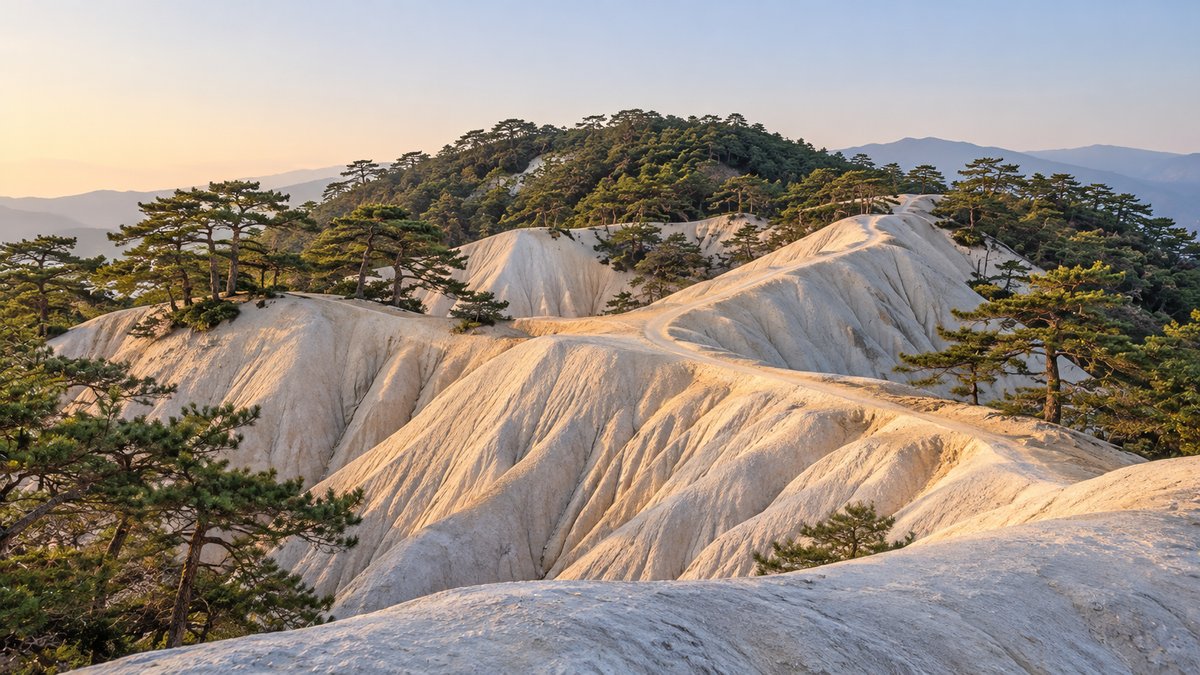 Word 203
The Right and Responsibility to Choose Are Yours
Donzurubo (Anamushi, Kashiba City, Nara Prefecture). A cluster of white tuff rock formations, made from volcanic ash laid down by Mount Nijo's activity more than ten million years ago, then lifted and worn away. Its name is said to come from looking like cranes gathered in a pine forest when seen from afar. A natural monument of Nara Prefecture and the starting point of the Diamond Trail.
Read more →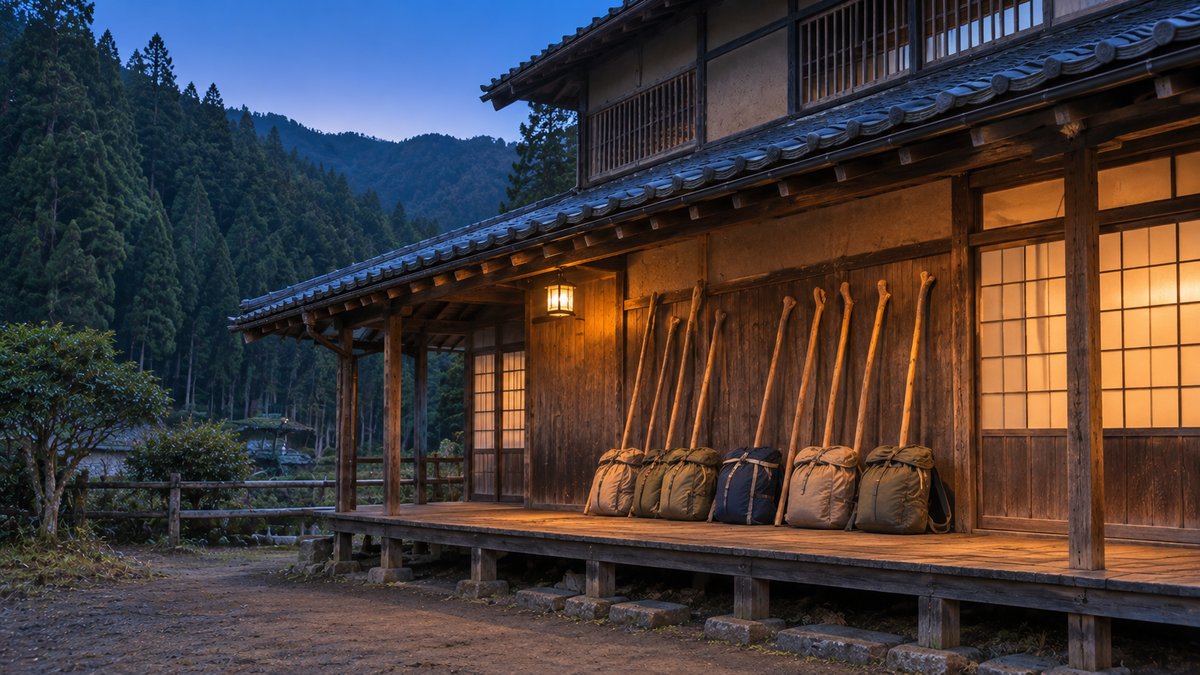 Word 202
Preparation Decides Eighty Percent of Success
Zenki (Zenki, Shimokitayama Village, Yoshino District, Nara Prefecture). A mountain village where Zenki and Goki, a demon couple said to have served En no Gyoja, are said to have lived. Legend says their five children opened five lodgings for practitioners; today only Onakabo, run by the Gokijo family, still operates. Its head is the sixty-first in the line.
Read more →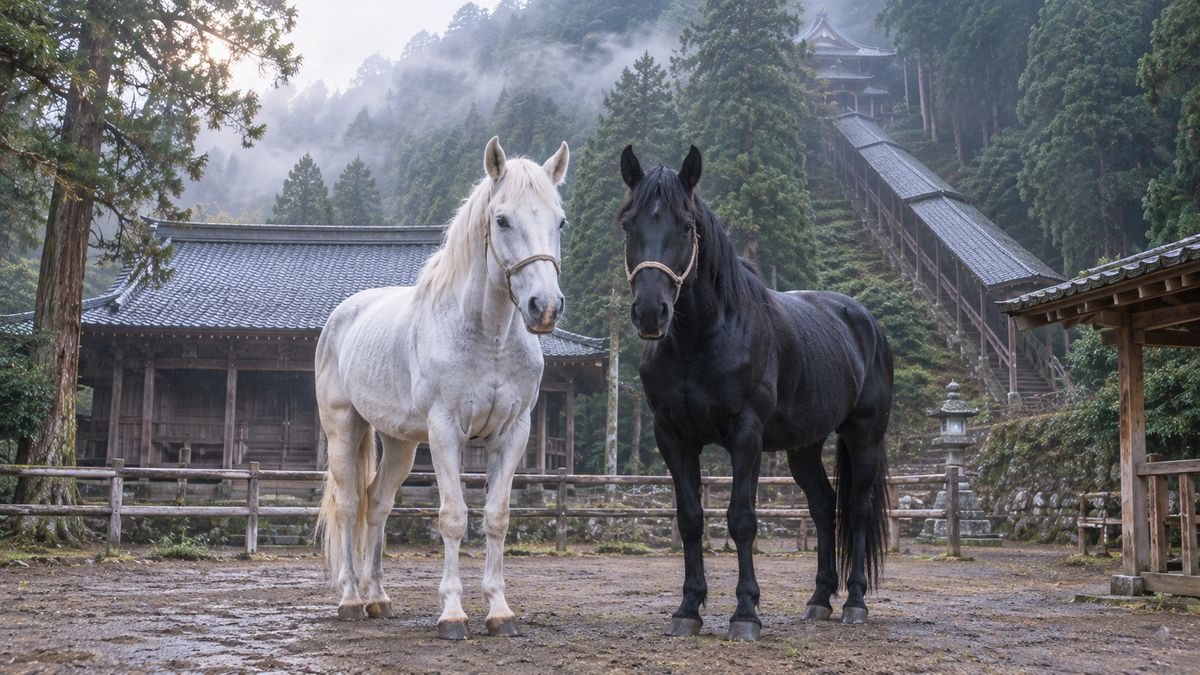 Word 201
Embrace Both the Clear and the Muddy, and Walk the Middle Way
Niukawakami Jinja, Lower Shrine (Hase, Shimoichi Town, Yoshino District, Nara Prefecture). It enshrines Kuraokami, a god of water. Since ancient times, people are said to have offered a black horse when praying for rain and a white horse when praying for clear skies, a custom said to be the origin of ema votive plaques. From behind the worship hall, a roofed stairway of seventy-five steps climbs to the main sanctuary. A white and a black sacred horse are still kept in the shrine grounds today.
Read more →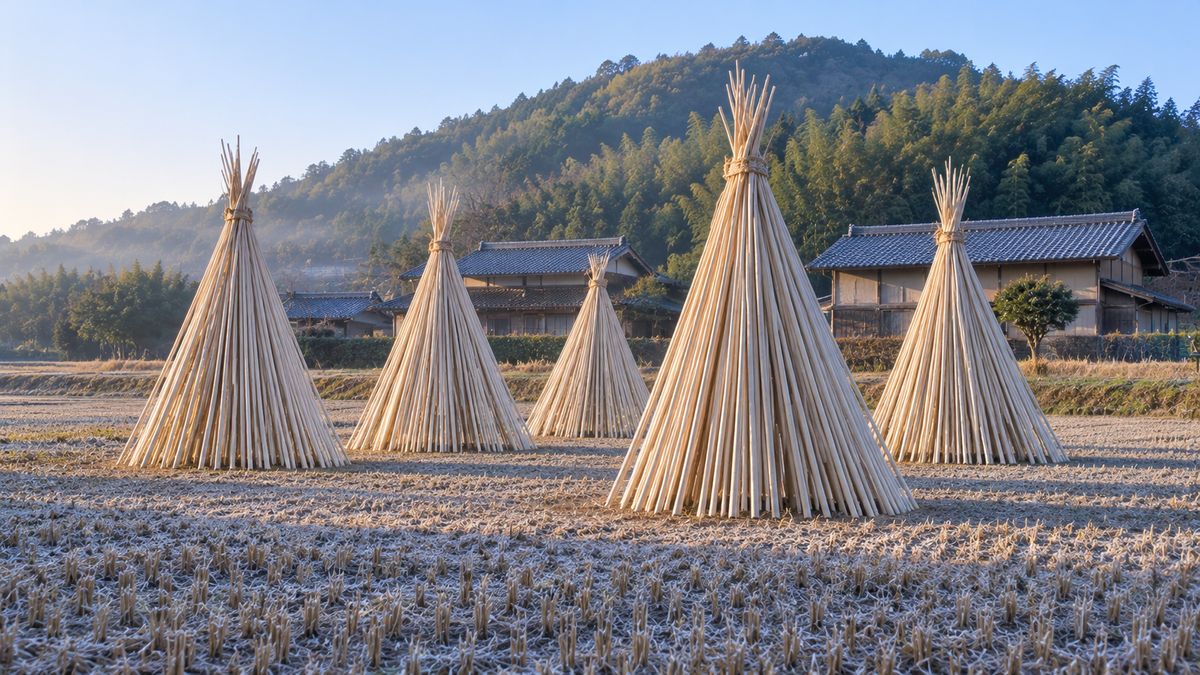 Word 200
Let Your Actions Match Your Words
Takayama Tea Whisk Village (Takayama-cho, Ikoma City, Nara Prefecture). Known as the village of tea whisks, it makes more than ninety percent of Japan's chasen. According to tradition, in the mid-Muromachi period, the second son of the lord of Takayama Castle made the first tea whisk at the request of Murata Juko. The bamboo is cut between November and December, dried, its oils drawn out, and left to rest for two or three years before it becomes a whisk.
Read more →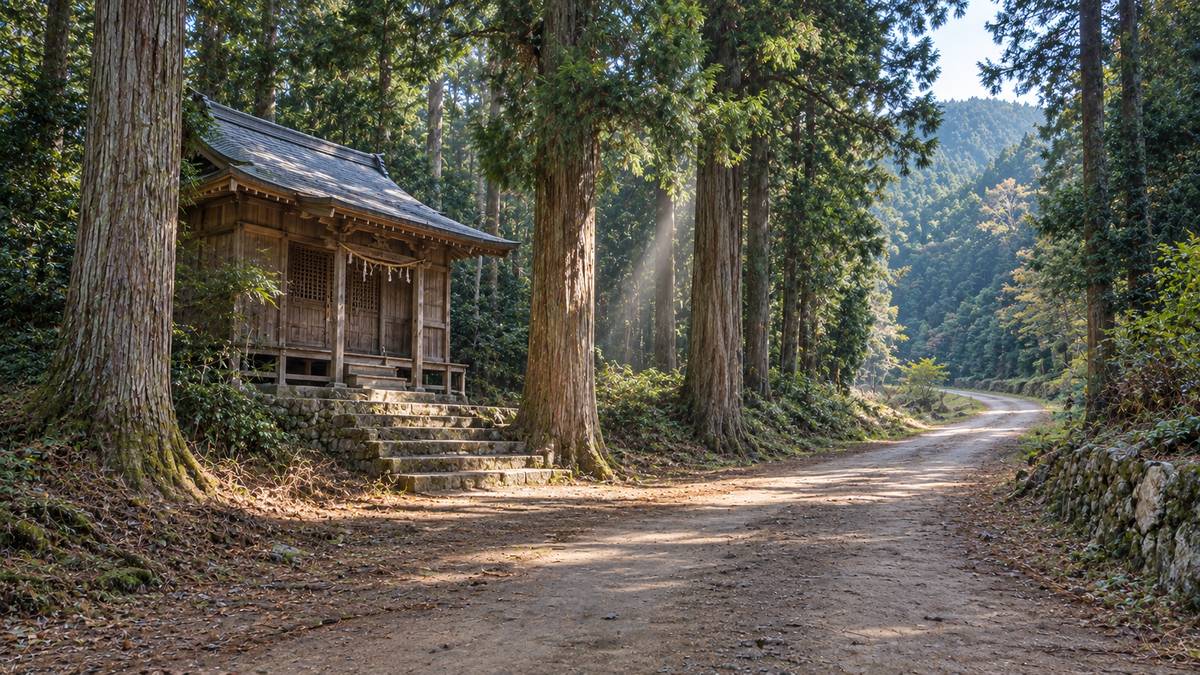 Word 199
You Do Not Need to Be Liked by Everyone
Mitsue Shrine (Mitsue Village, Uda District, Nara Prefecture). A shrine listed in the ancient Engishiki records, in a hamlet at the far eastern edge of Nara where the old Ise Honkaido road passes. According to shrine tradition, it began when Yamatohime-no-Mikoto, traveling from land to land in search of a place to enshrine Amaterasu-Omikami, built a temporary palace here and rested on her way to Ise.
Read more →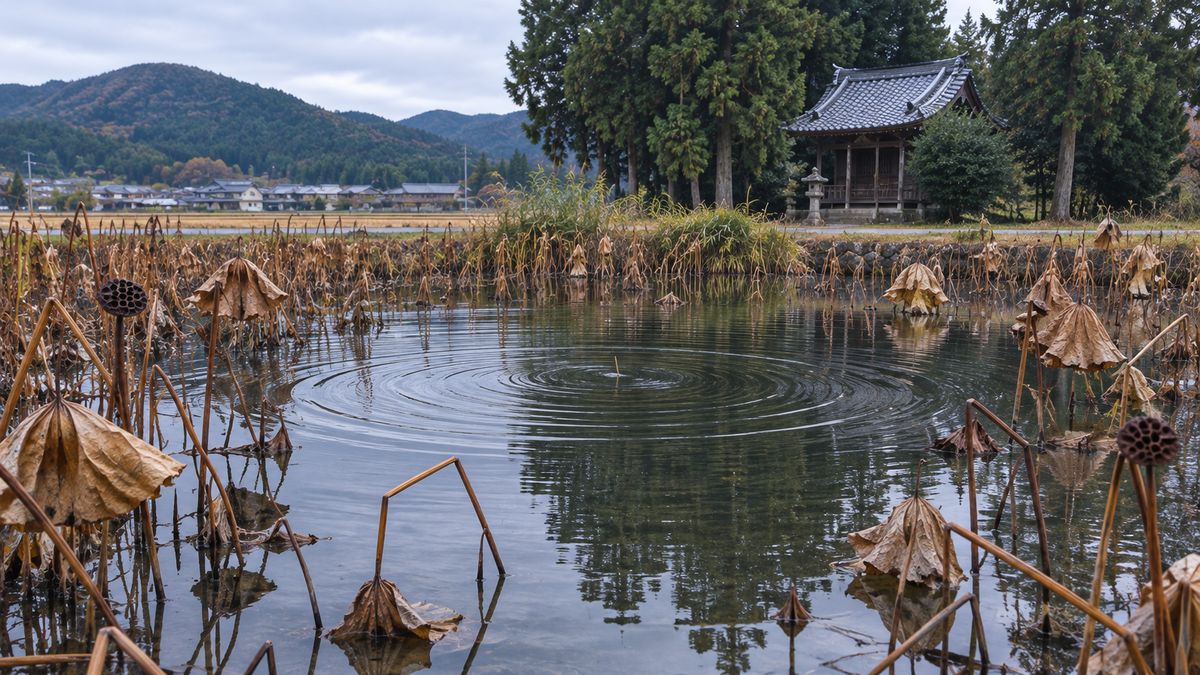 Word 198
Enjoy the Time Until the Results Come
Suteshino Pond in Okuda, Yamato-Takada, Nara. A lotus pond that holds a legend of Torame, the mother of En no Gyoja. Lotus flowers cut every year on July 7 are delivered to the Rengee lotus ceremony at Kinpusen-ji Temple on Mount Yoshino, and on to the shrines up to the summit of Mount Omine.
Read more →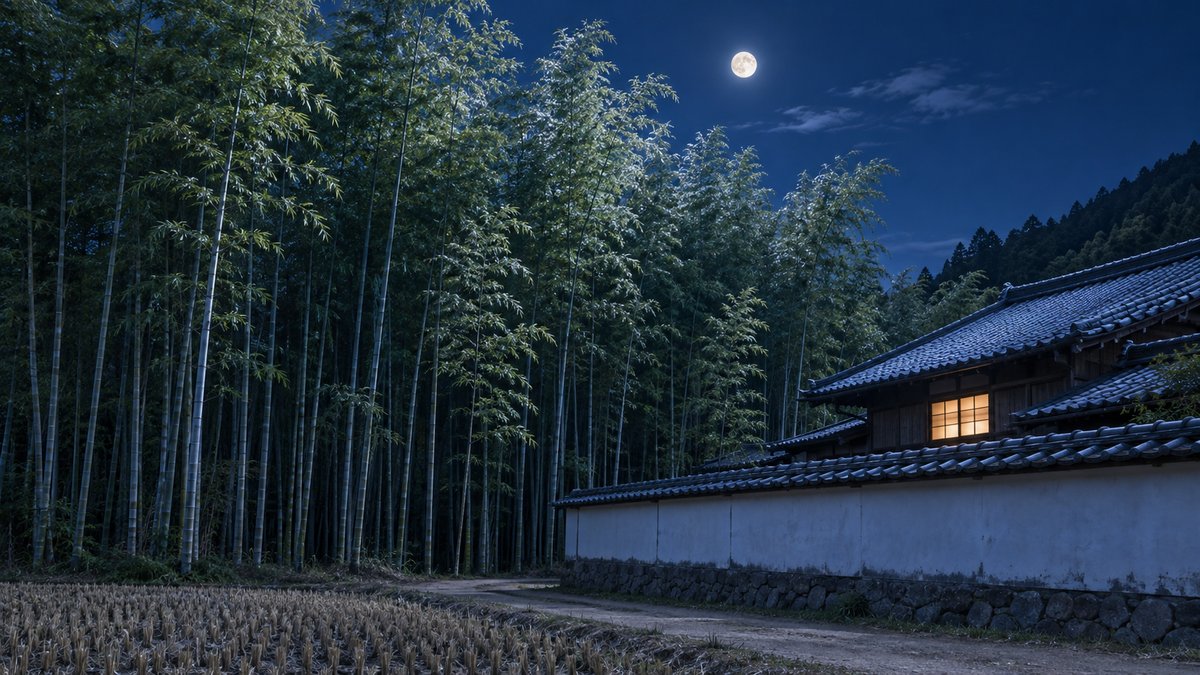 Word 197
Pilot Your Own Life
The birthplace of Tomimoto Kenkichi in Ando Town, Ikoma District, Nara, not far from Horyu-ji Temple. The master of modern pottery held all his life to the creed: do not make patterns from patterns. From it came designs such as Bamboo Grove in Moonlight, said to depict the scenery of his hometown.
Read more →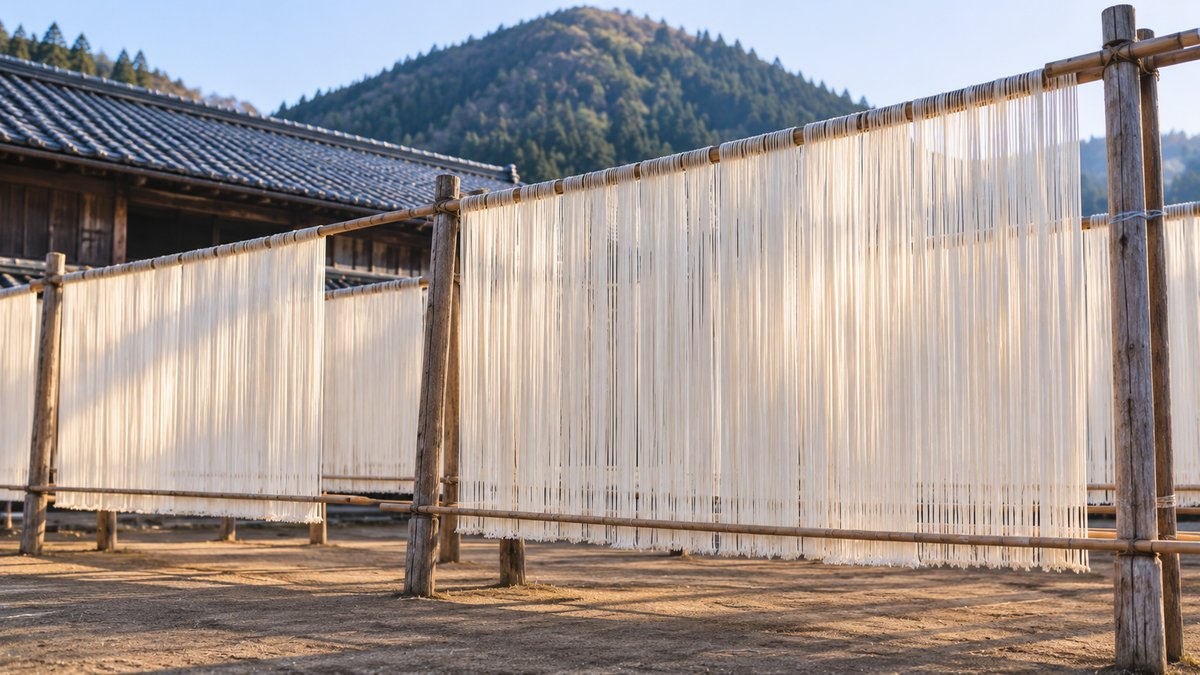 Word 196
Your Life Is Made Entirely by Your Own Heart
Miwa in Sakurai City, Nara, a home of somen noodles at the foot of Mount Miwa. They are said to have begun more than 1,200 years ago, when the son of the chief priest of Omiwa Shrine sowed wheat here. They are made only in the cold, dry winter, over two days.
Read more →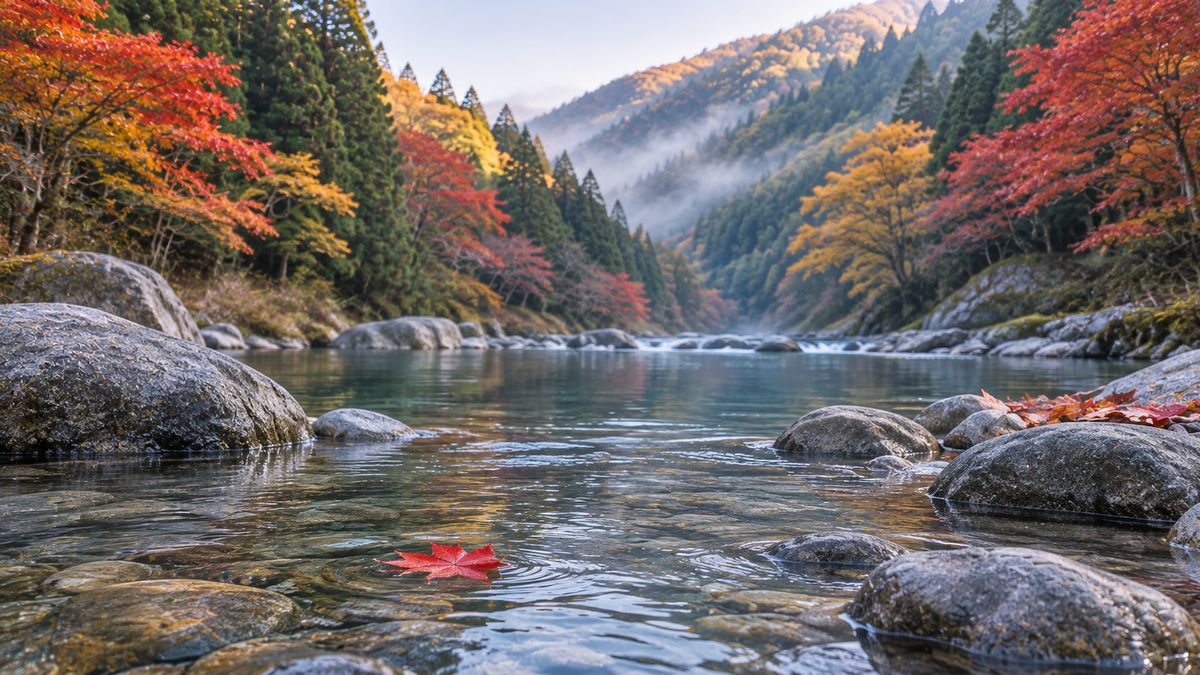 Word 195
Growing Older Is Not the Same as Declining
The Tenno River (Tenkawa Village, Nara) rises near Mount Sanjogatake (1,719 m) in the Omine Mountains, is called the Totsukawa in Totsukawa Village, and becomes the Kumano River before pouring into the Kumano Sea. Its main course is 183 km long.
Read more →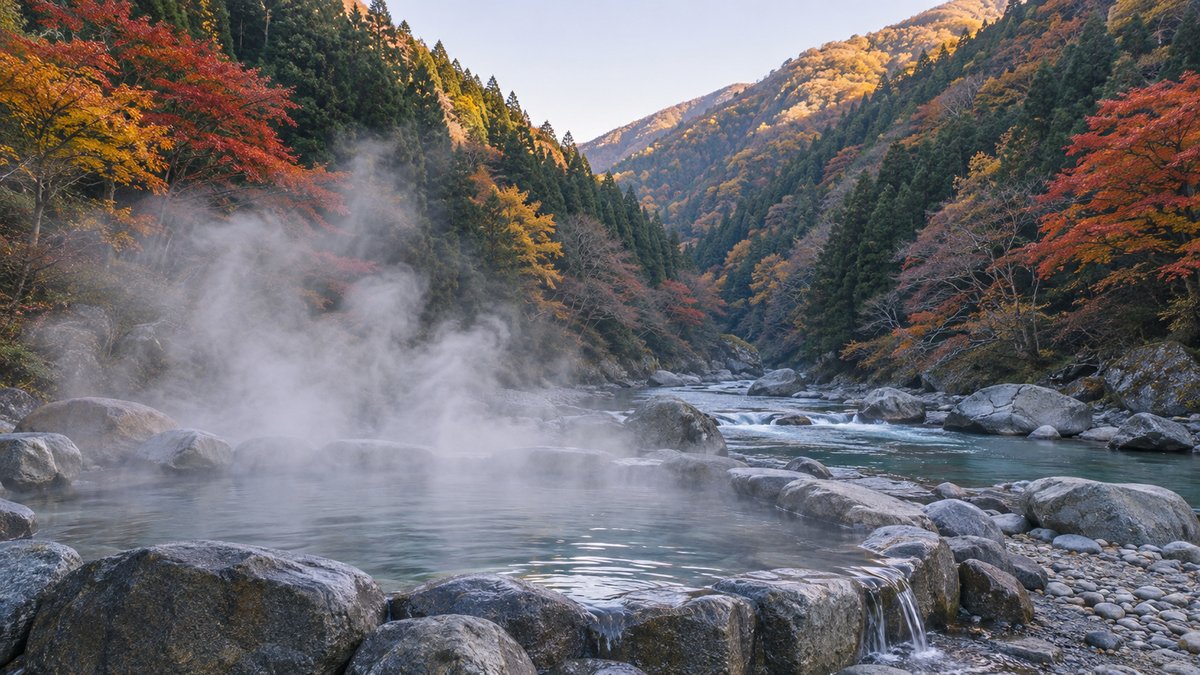 Word 194
The Path Opens from a Place of Gratitude
Totsukawa Onsen (Totsukawa Village, Nara) is made up of three hot springs: Tosenji, Totsukawa and Kamiyu. In 2004 they became the first in Japan to declare all their baths free-flowing, with water that is never circulated, reheated, chlorinated or thinned.
Read more →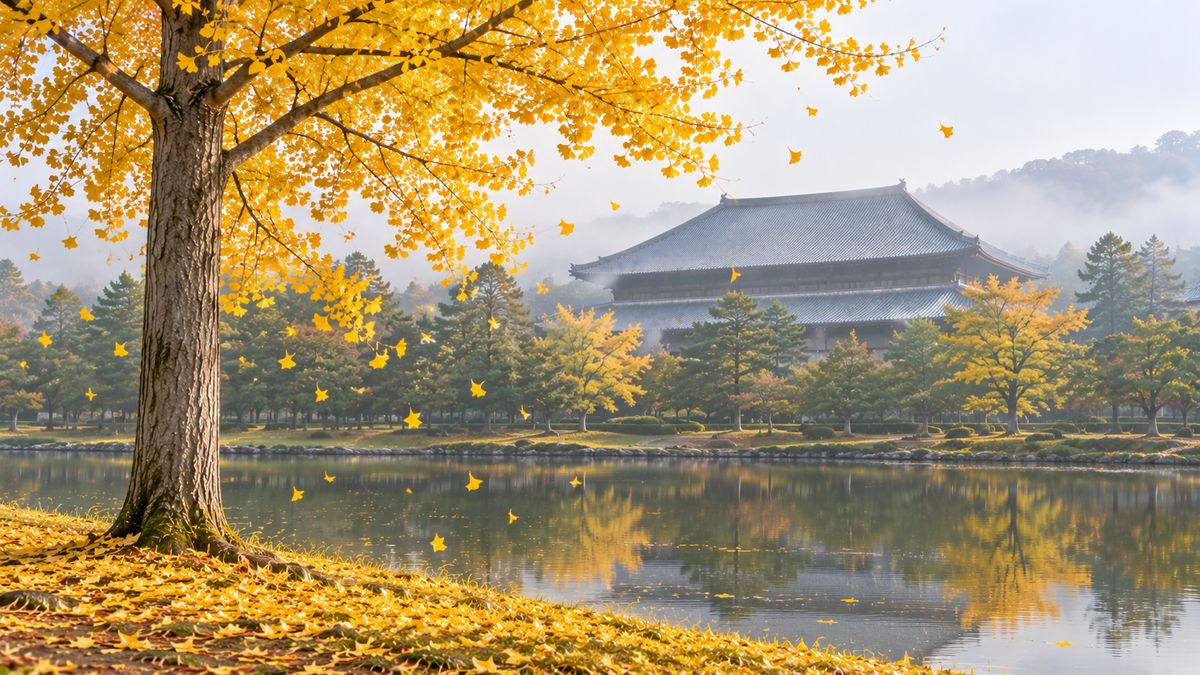 Word 193
To Gain Something, You Must First Let Something Go
Daibutsu-ike Pond (Todai-ji, Nara City) lies a short walk northwest of the Great Buddha Hall, a quiet spot away from the crowded approach. In autumn the trees along the pond turn red and yellow, and beyond them rises the great roof of the hall.
Read more →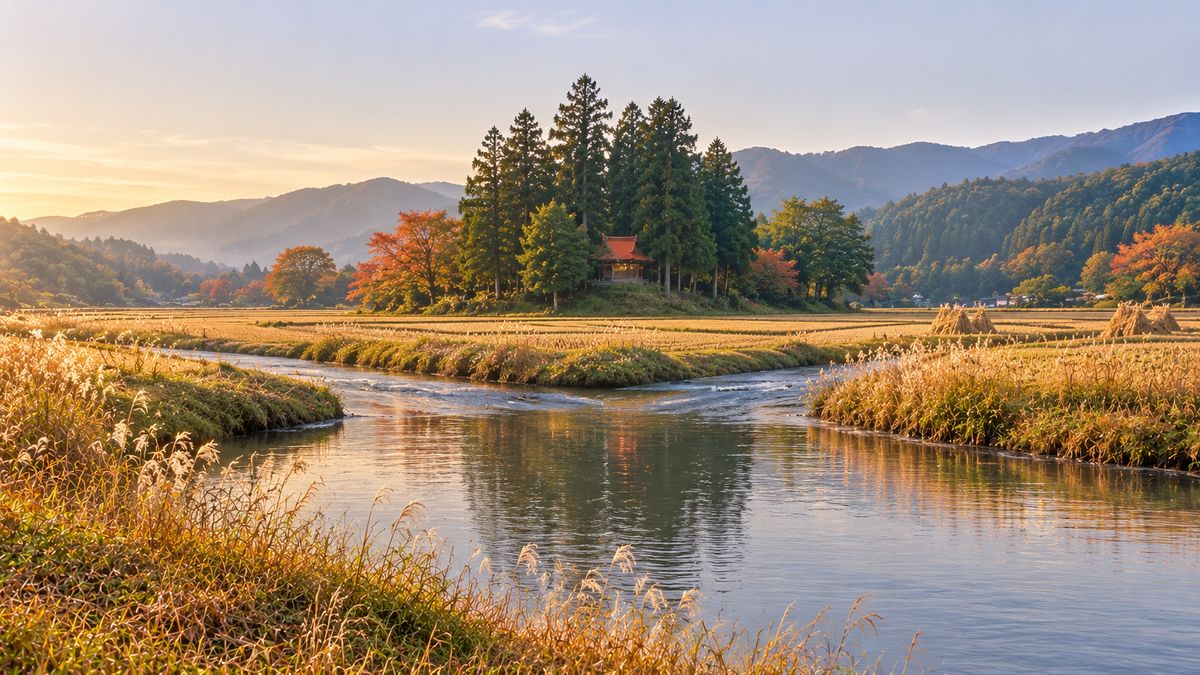 Word 192
There Is No One in This World Who Is Unnecessary
Hirose Taisha (Kawai Town, Kitakatsuragi District) stands beside the point where the many rivers of the Nara Basin meet and become the Yamato River. It enshrines Wakaukanome, a deity of water and the harvest, and its rice-planting festival on February 11 is known as the Sunakake Matsuri, or sand-throwing festival.
Read more →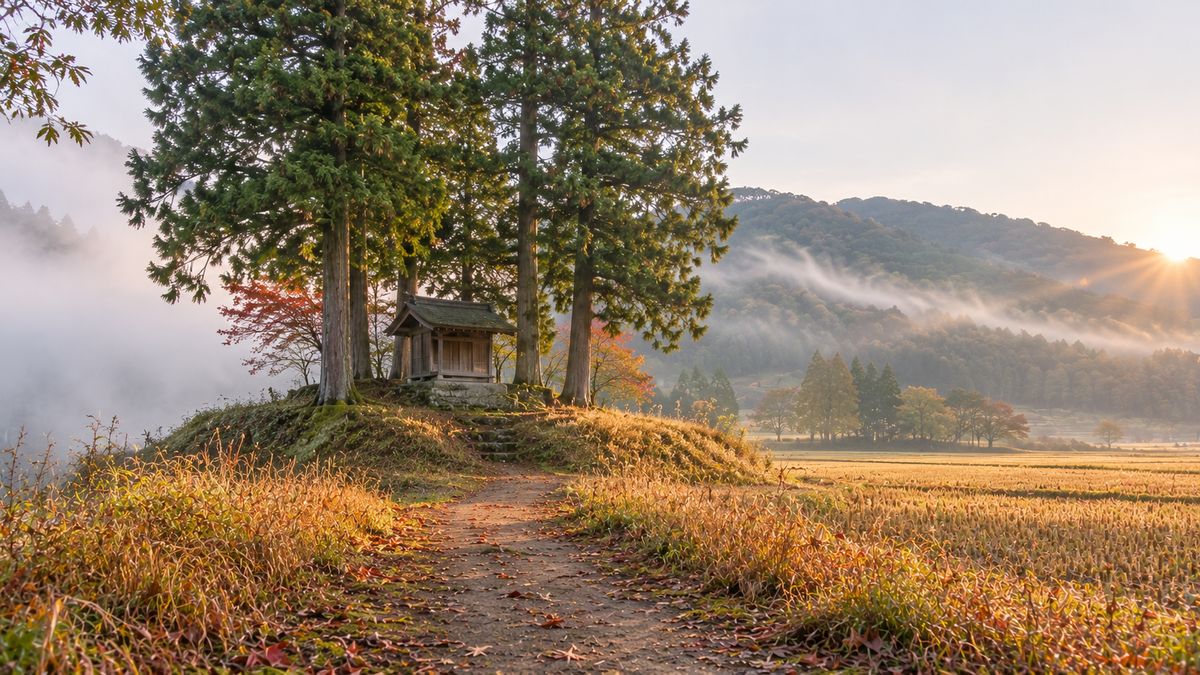 Word 191
The Harder Things Get, the More You Should Breathe
Kazenomori Shrine (Kamogami, Gose City), a small shrine at the top of Kazenomori Pass on the old Koya Kaido road, dedicated to Shinatsuhiko, the god of breezes. The Nihon Shoki tells that this god was born from the breath the god Izanagi used to blow away the morning mist.
Read more →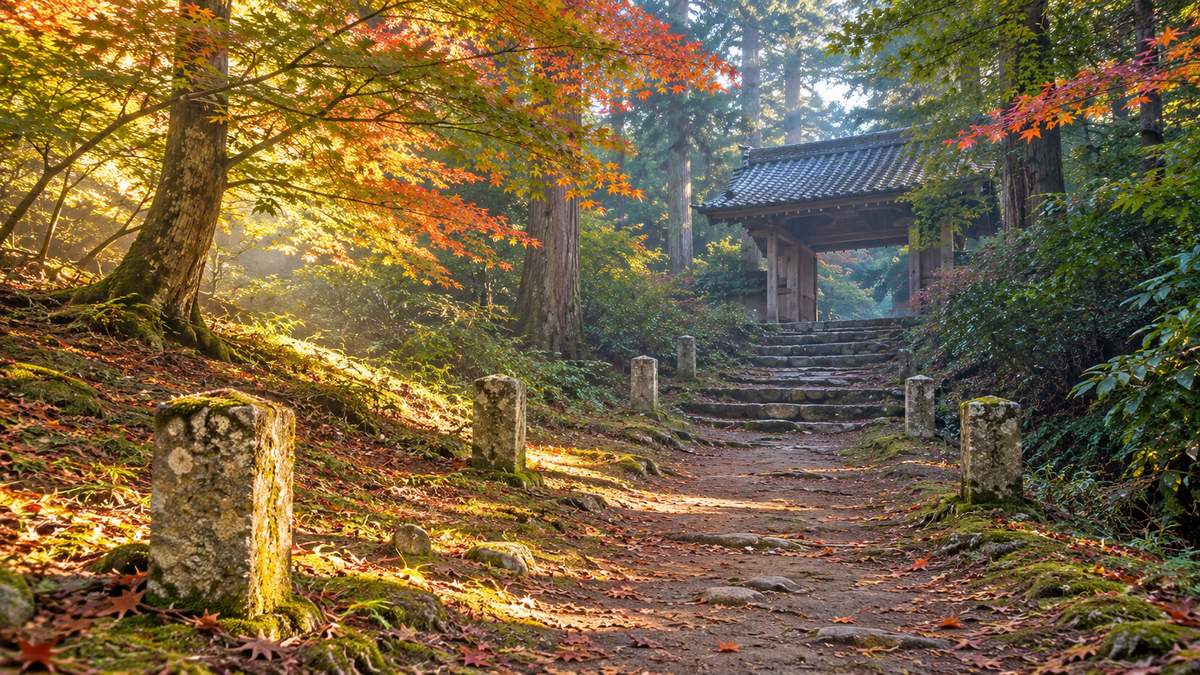 Word 190
Everything Has Two Sides
Hibariyama Seirenji (Utano, Uda City), a small Pure Land Buddhist nunnery halfway up a mountain in Uda. It is said to be where Princess Chujo-hime, whose stepmother ordered her death, was hidden by the retainer Matsui Katota Harutoki and his wife. Chujo-hime is enshrined in the founder's hall.
Read more →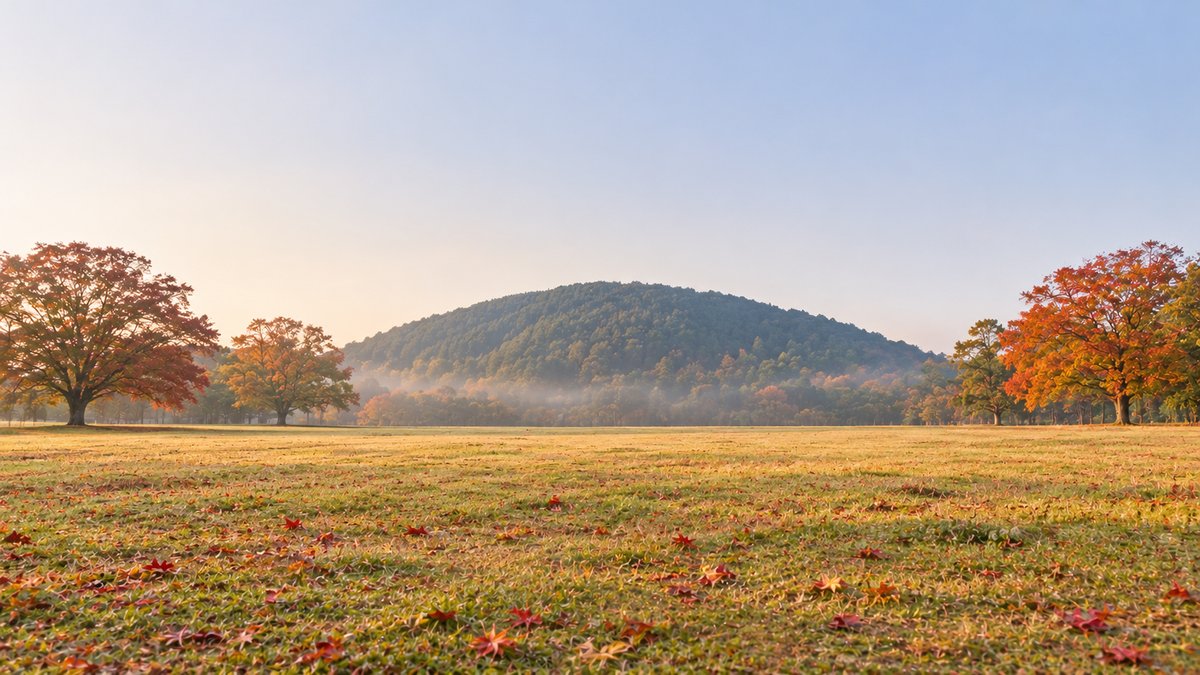 Word 189
How Much Anxious News Do You Let Into Your Heart?
Tobihino (Nara City), a wide field of short grass southeast of the main approach to Kasuga Taisha Shrine. Its name is said by some to come from the tobuhi, an ancient signal station. In 712, a station was placed at Kasuga so that word could reach the capital at Heijo.
Read more →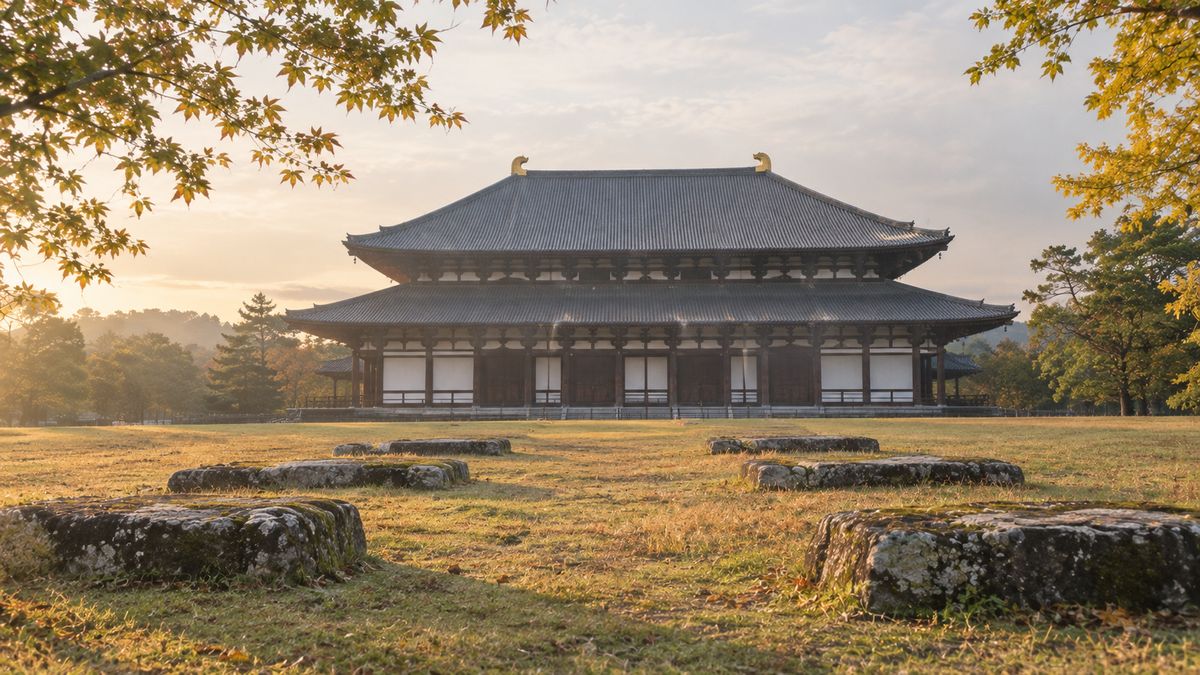 Word 188
Before Giving Up, Try a Little Last-Ditch Effort
The Great Buddha Hall of Todai-ji Temple (Nara City). Burned down in 1567, it was brought back through the fundraising of the monk Kokei, its front narrowed from eleven bays to seven, and completed in 1709. To the north, the great foundation stones of the lecture hall remain from the Nara period.
Read more →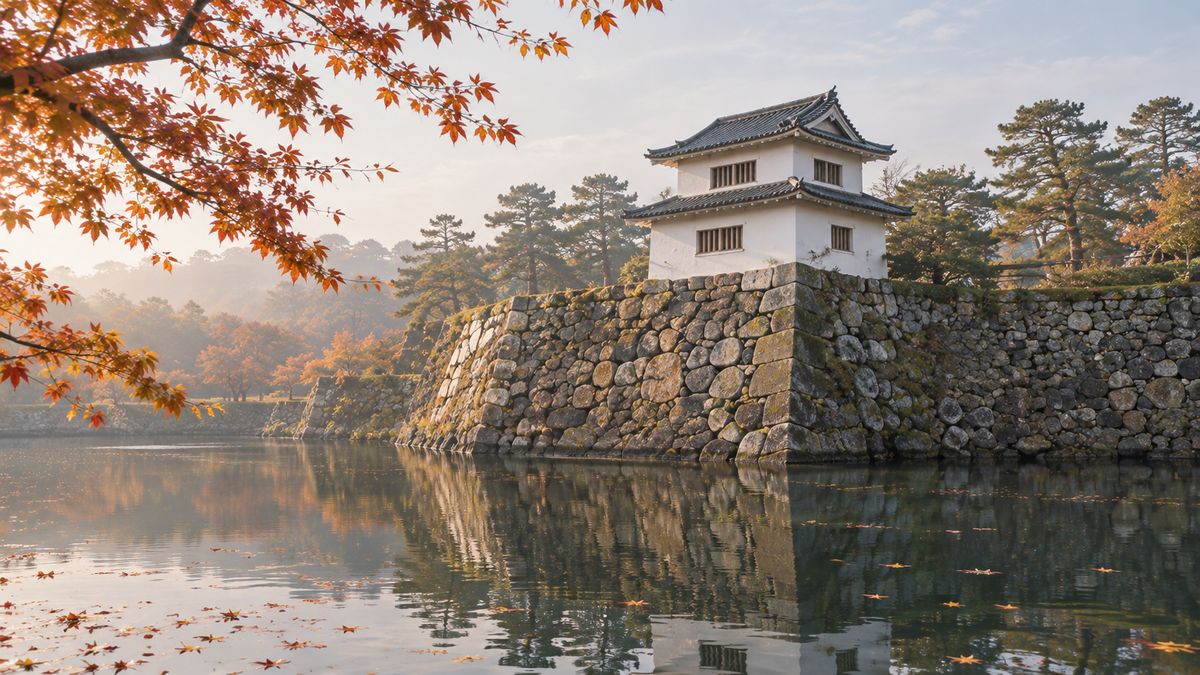 Word 187
Sometimes, Try Accepting It Openly
The ruins of Yamato-Koriyama Castle (Yamatokoriyama City, Nara), which Toyotomi Hidenaga entered in 1585. Its stone walls, built from stones gathered from far and wide, including stone Buddhas and five-tiered stone pagodas, remain, and an upside-down Jizo can still be seen in the north face of the keep base.
Read more → Word 186
Everything Is Yours to Decide
The Tatsuta River (Ikaruga, Ikoma District, Nara, around Tatsuta Park), a river of about 15 km that flows from Ikoma City through Heguri and joins the Yamato River at Ikaruga. In Tatsuta Park, maple trees line the river for about 2 km. A famous place for autumn leaves, known from Ariwara no Narihira's poem Chihayaburu.
Read more →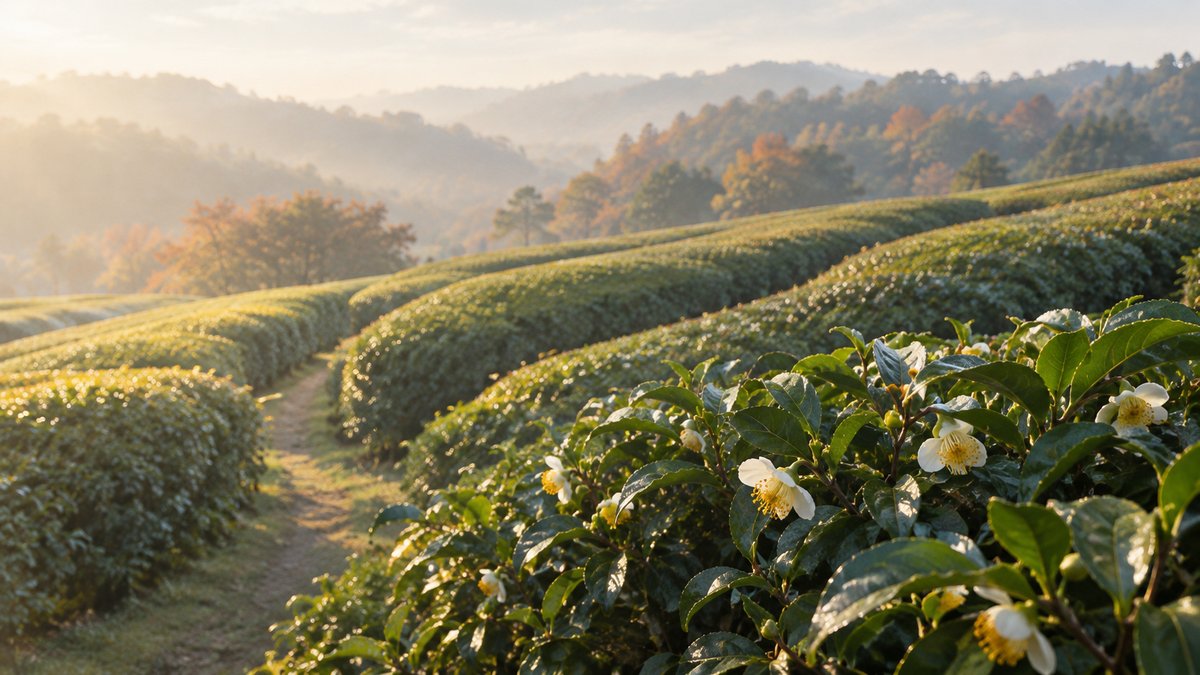 Word 185
Without Hurrying, Wait for the Time to Ripen
The tea fields of the Yamato Plateau (eastern Nara City, Yamazoe Village and nearby), a cool upland 200 to 500 meters above sea level where Yamato tea is grown. In autumn, the tea bushes bear small white flowers, like camellias, facing downward.
Read more →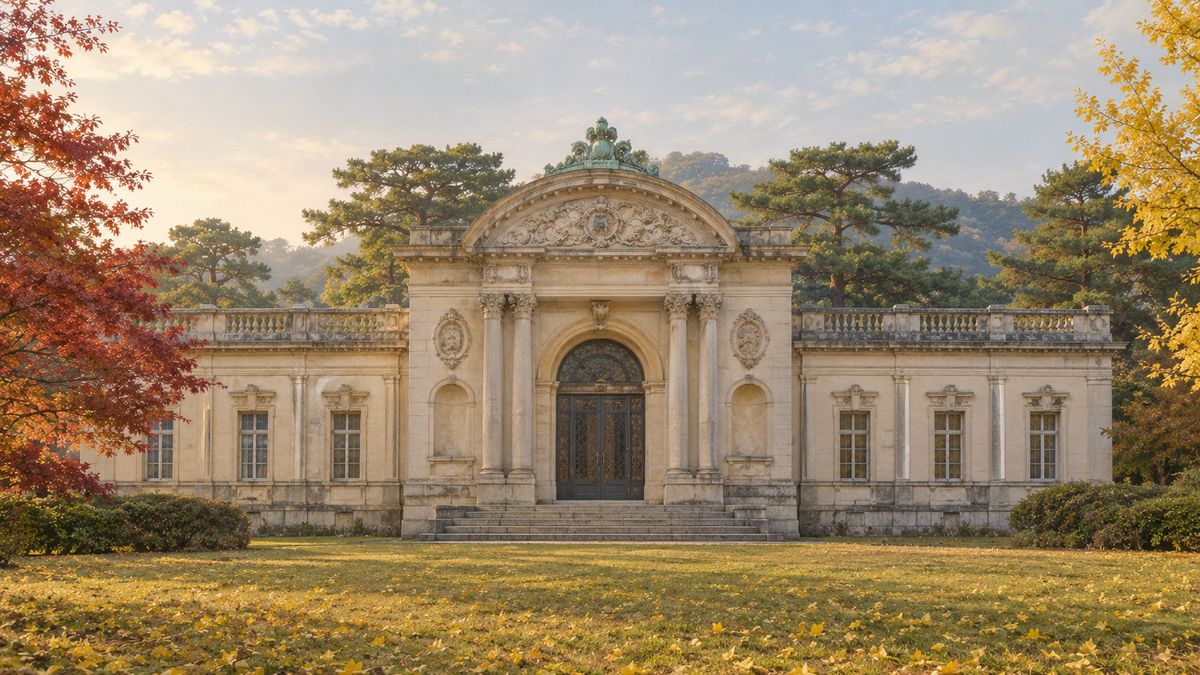 Word 184
The Old and the New Are Connected
The Buddhist Sculpture Hall of the Nara National Museum (Nara City). Completed in 1894, it was the first full-fledged Western building in Nara. Designed by Katayama Tokuma, it is an Important Cultural Property of Japan, and is closed for about a year and a half for renovation work.
Read more →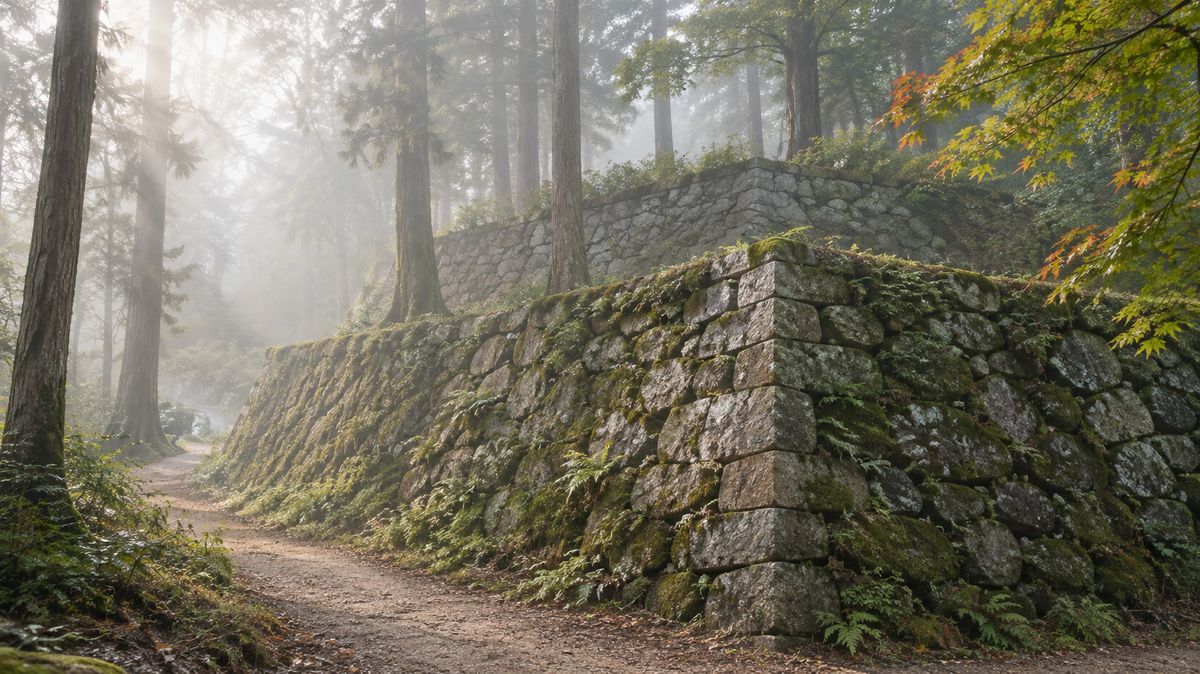 Word 183
Everything Has a Cause, and Then a Result
Takatori Castle ruins (Takatori Town, Nara), built on the summit of Mount Takatori and counted among the three great mountain castles of Japan. At its height, twenty-seven turrets and thirty-three gates stood here; today no buildings remain, only stone walls in the forest.
Read more →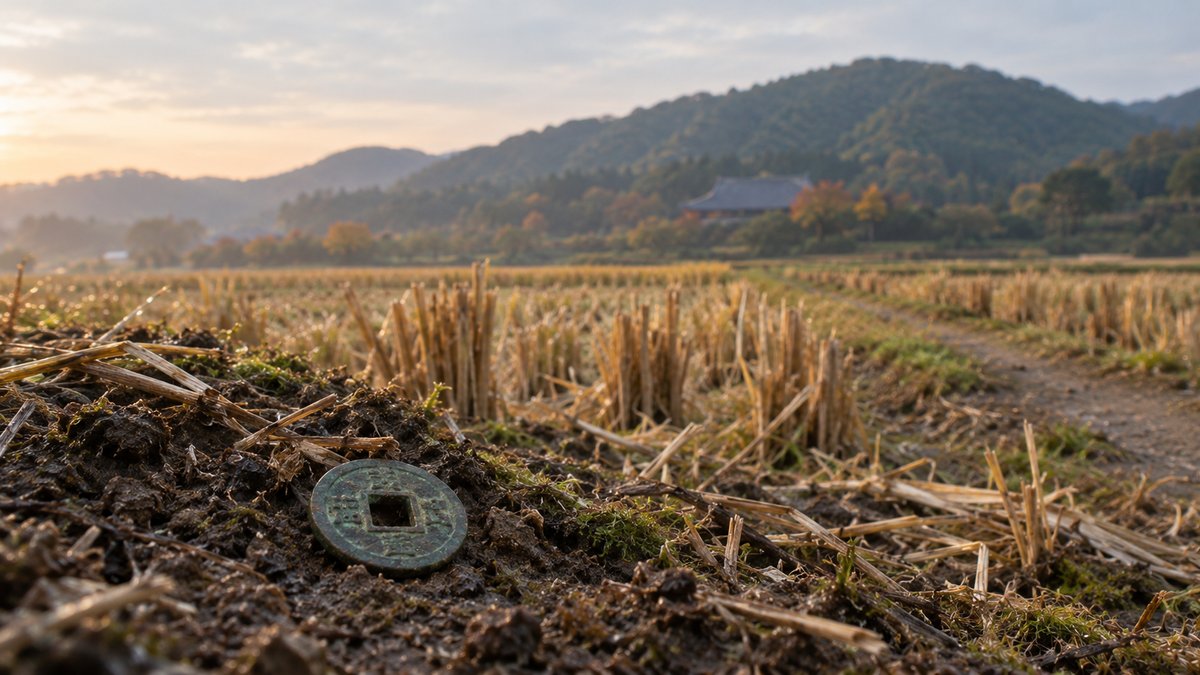 Word 182
What Value You Give to Money Is Up to You
Asuka-ike Workshop Site (Asuka Village, Nara), the remains of a late seventh-century government workshop lying beneath the Nara Prefecture Complex of Man'yo Culture. In 1998, about forty Fuhonsen, said to be the oldest cast coins in Japan, were found here together with molds and failed castings.
Read more →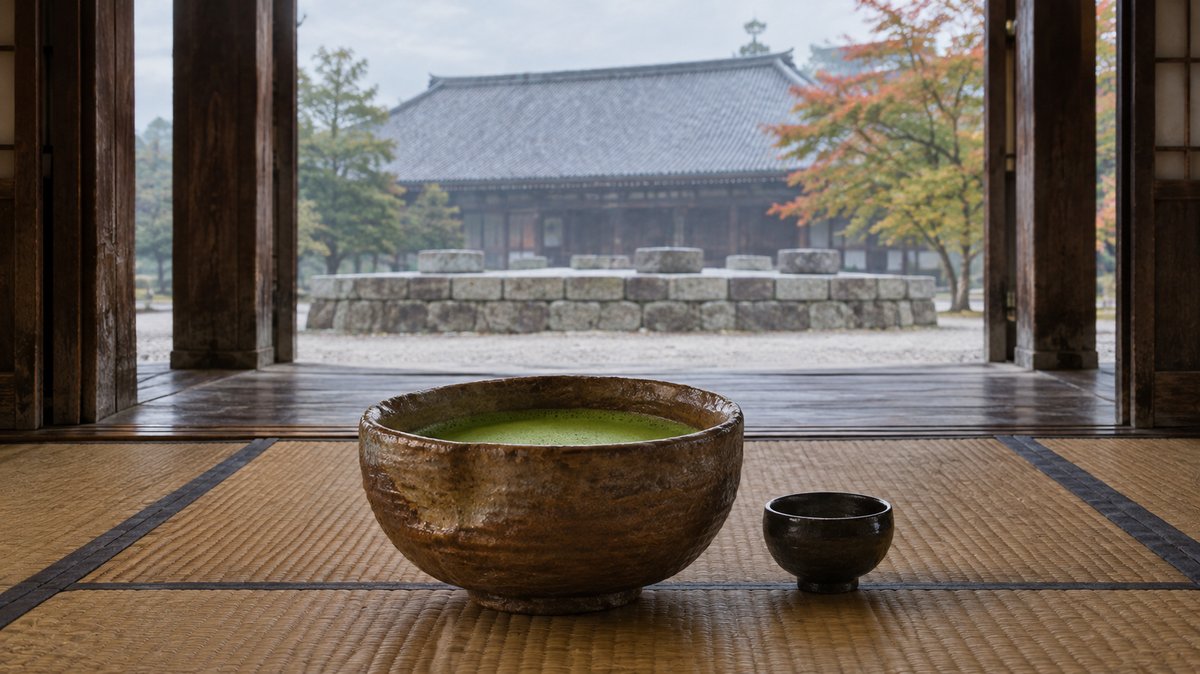 Word 181
Let Us Become a Truly Understanding Person
Saidaiji Temple (Nara City), founded in the Nara period at the wish of Empress Shotoku and revived in the Kamakura period by the monk Eison. At its Ochamori, a tea gathering said to have begun when Eison served tea to the people, matcha is shared from tea bowls larger than a face.
Read more →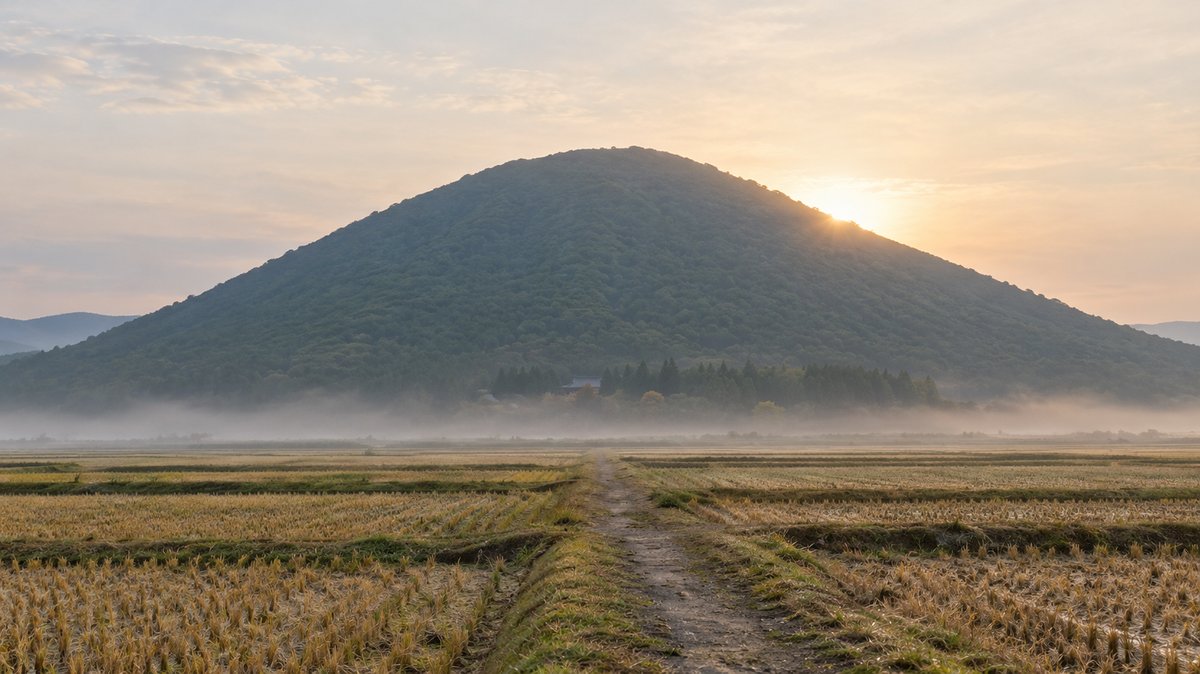 Word 180
Those Who Can Control Themselves Do Not Try to Control Others
Omiwa Shrine (Sakurai, Nara), an ancient shrine with no main sanctuary, where Mount Miwa itself is worshipped as the deity. Long a forbidden mountain, it has been open to climbing worshippers since the Meiji era, after they register at Sai Shrine; before entering, climbers purify themselves with a gohei.
Read more →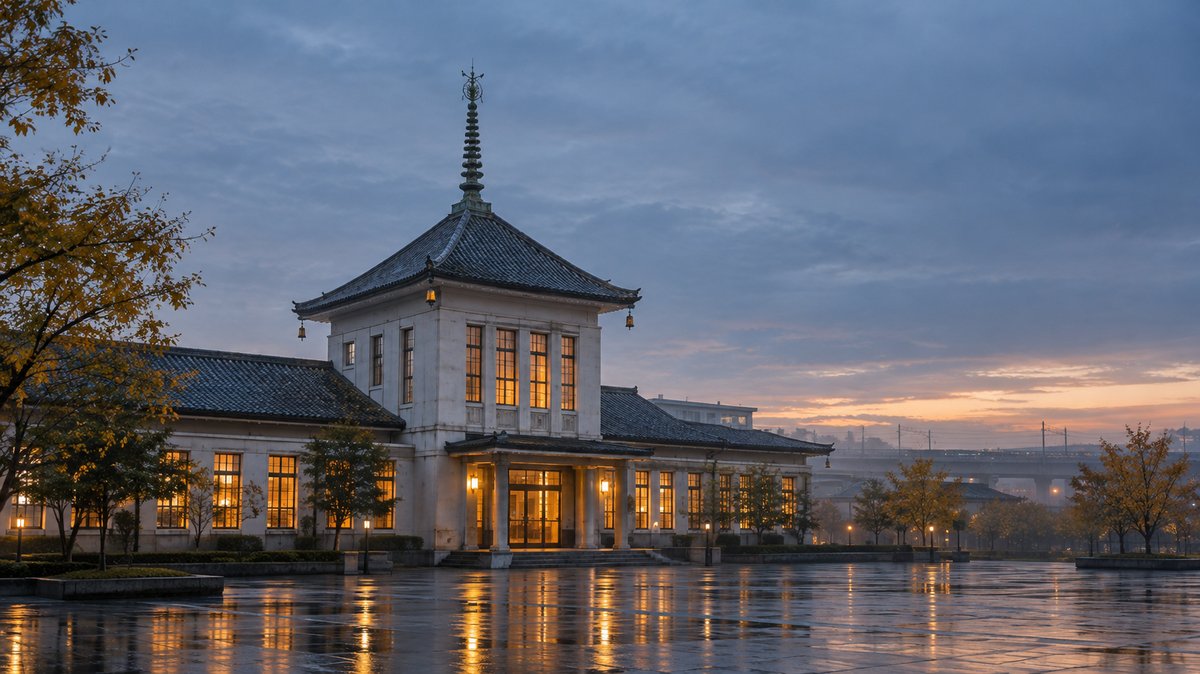 Word 179
Finding the Courage to Reach Out to an Old Friend
The former JR Nara Station building (Nara City), built in 1934, a blend of Western and Japanese design with a sorin spire on its pyramid-shaped roof. Kept at the wish of the people of the town, it was moved by hikiya in 2004 and is now the Nara City General Tourist Information Center.
Read more →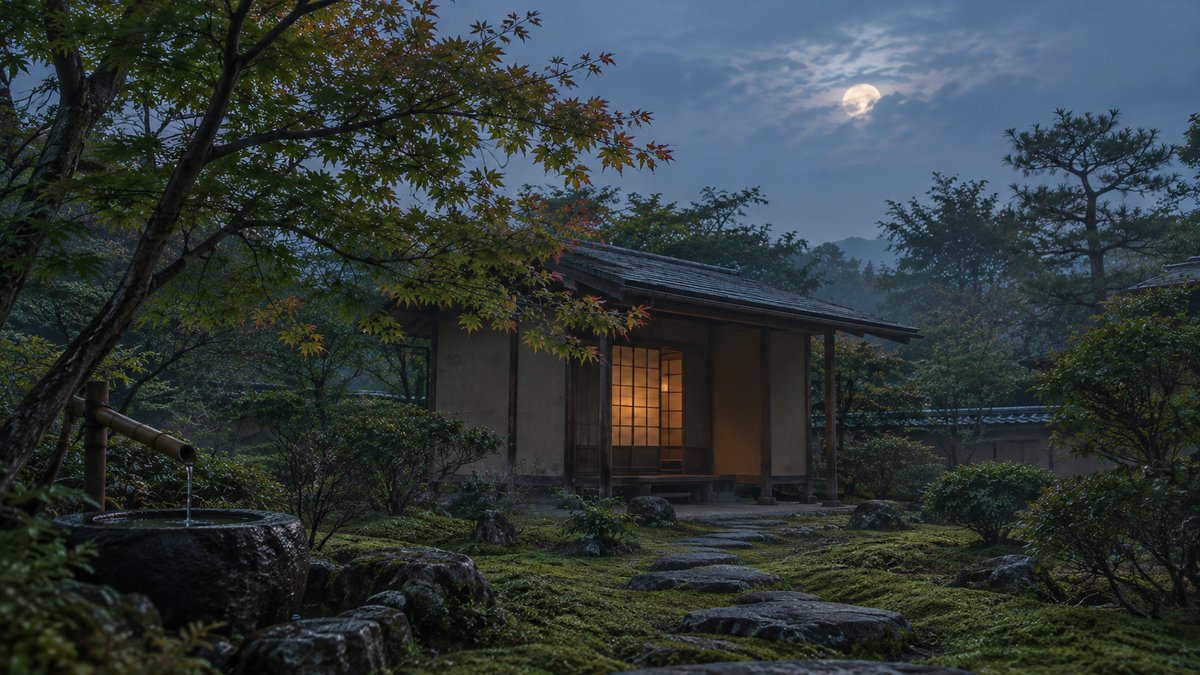 Word 178
Letting Go of Something to Make Room in the Heart
Shomyo-ji Temple (Nara City), the Jodo school temple where Murata Juko, regarded as the founder of wabi-cha, became a monk at eleven. It keeps a tea room said to have been set up later by Juko, known as Juko-an; the building standing today is said to date from around 1800.
Read more →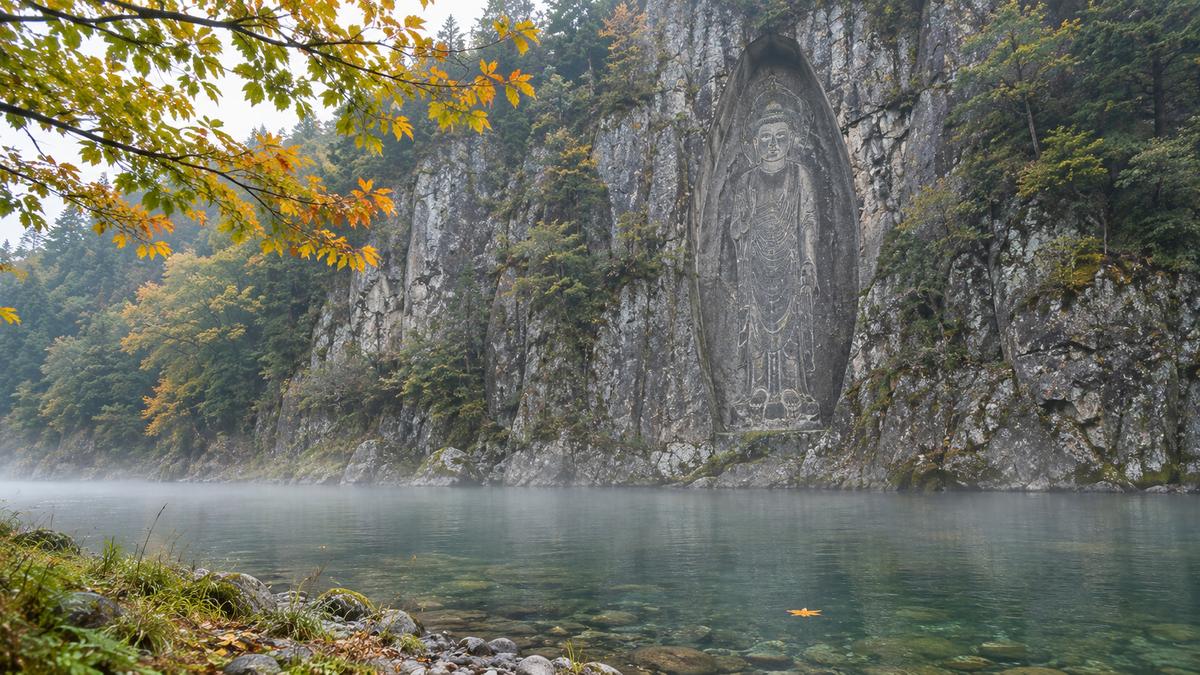 Word 177
Embracing Life's Changes Without Fear
Ono-ji Temple (Uda City, Nara), long called the West Great Gate of Muro-ji. On the rock wall across the Uda River, a Miroku Buddha about 11.5 meters tall was cut in lines at the start of the Kamakura period, said to be modeled on the Miroku carving at Kasagi-dera in Kyoto.
Read more →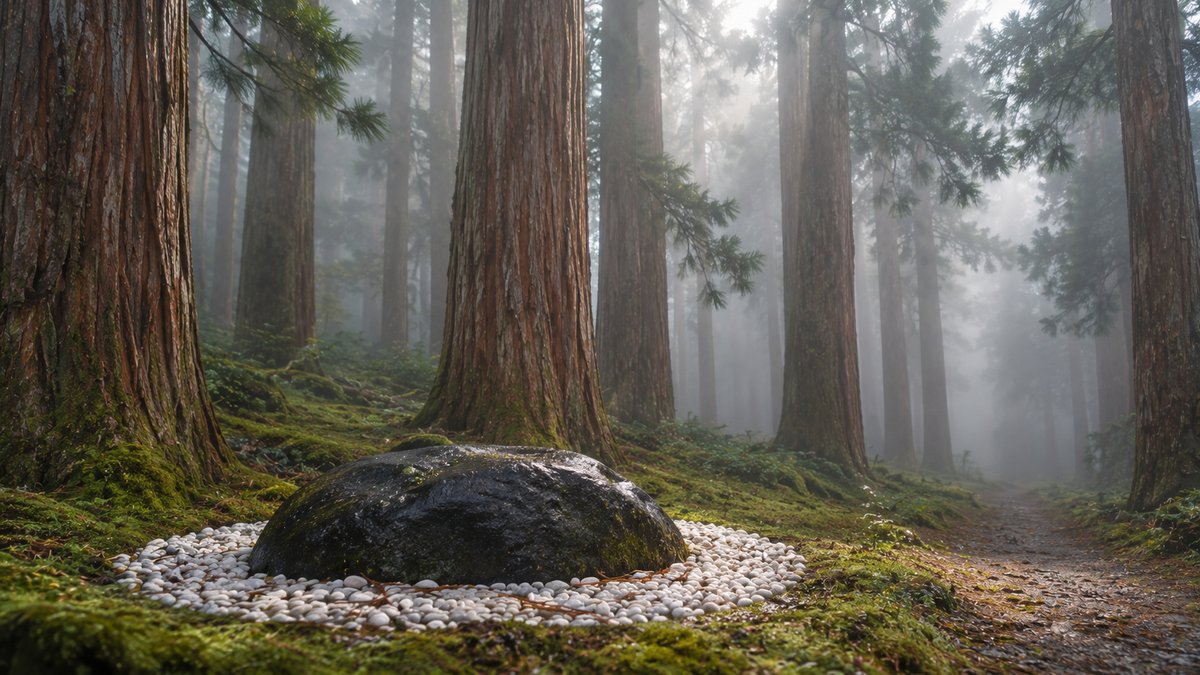 Word 176
Accepting Contradictions Just as They Are
Tamaki Shrine (Totsukawa Village, Nara), an ancient shrine on the Omine Okugake trail near the summit of Mt. Tamaki, 1,076 meters high. Wrapped in giant cedars, it has on the way to the summit Tamaishi-sha, which enshrines a black stone said to be pillow lava formed on the sea floor.
Read more →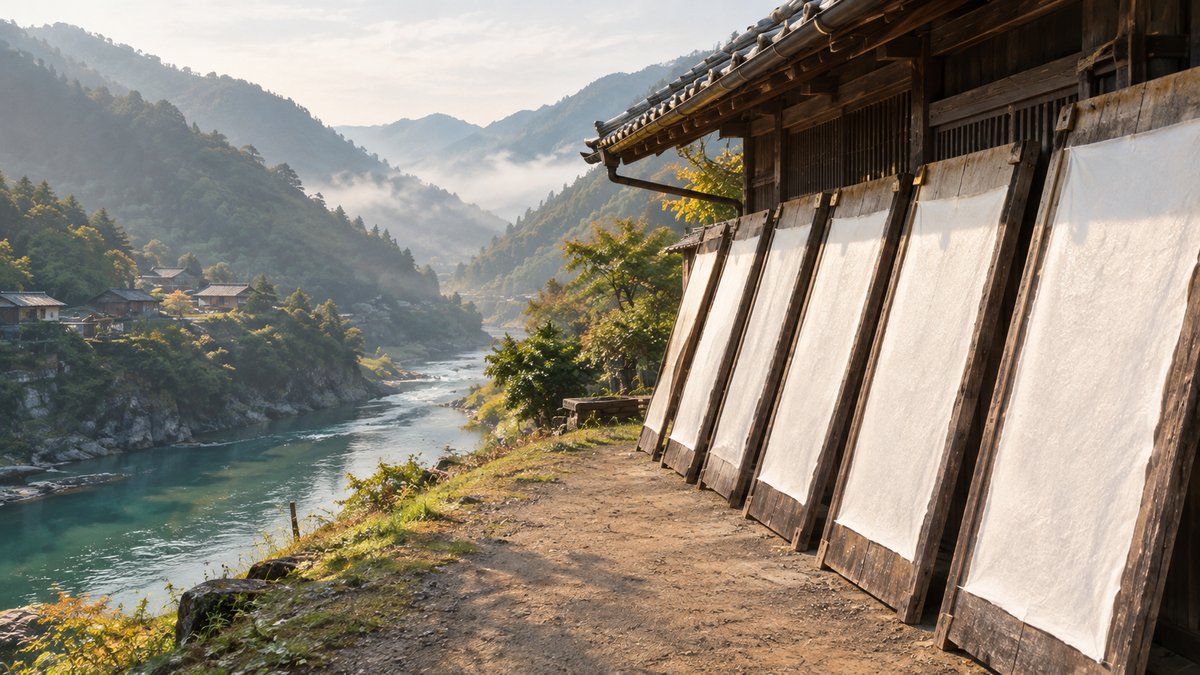 Word 175
Learning to Do a Little of What We Are Poor At
The village of Kuzu (Yoshino Town, Nara), along the Yoshino River, where Prince Oama is said to have taught papermaking. Yoshino washi, or Uda-gami, is made from paper mulberry and white clay, spread sheet by sheet on boards to dry in the sun, and serves as backing paper for hanging scrolls.
Read more →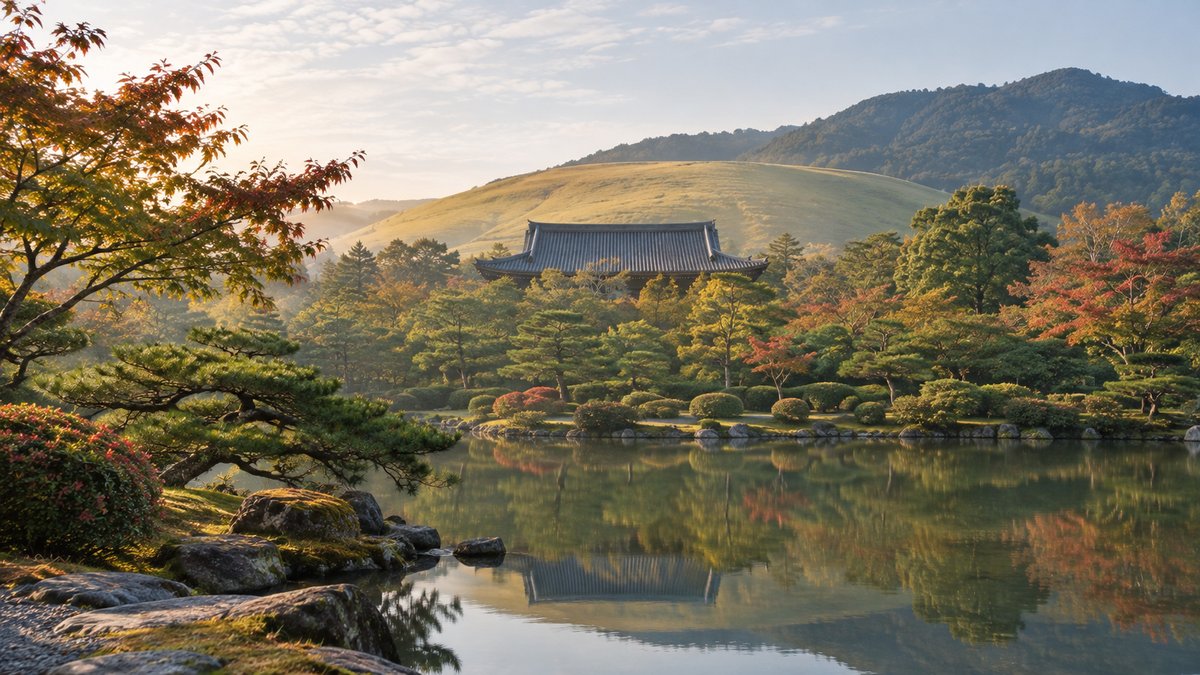 Word 174
Values Differ from Person to Person
Isui-en Garden (Suimon-cho, Nara City), a national Place of Scenic Beauty made up of two gardens: the Edo-period Front Garden and the Meiji-period Rear Garden, which takes in Mount Wakakusa, Mount Kasuga and the Nandaimon Gate of Todai-ji as borrowed scenery. The Neiraku Museum stands within the grounds.
Read more →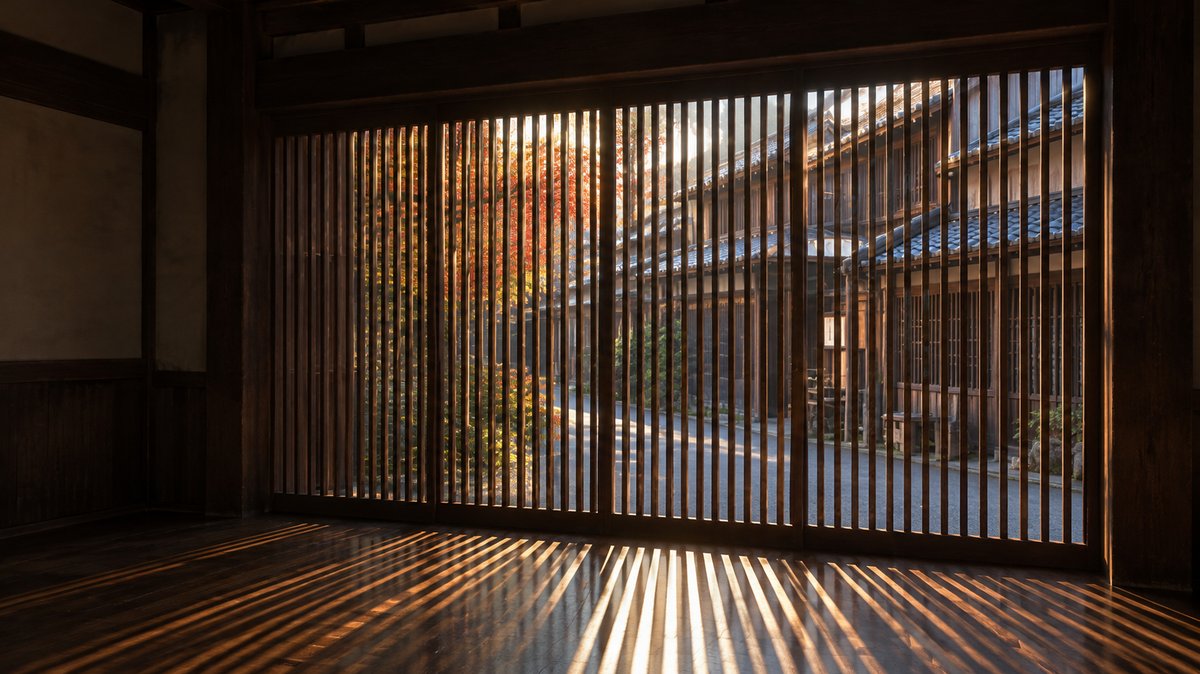 Word 173
How Kindness Is Received Depends on the Other Person
Naramachi Koshi-no-Ie, the Lattice Home (Gangoji-cho, Nara City). A free facility recreating a Naramachi townhouse of the late Edo to Meiji periods. Its front lattice makes it hard to see in from outside, yet easy to see out from within.
Read more →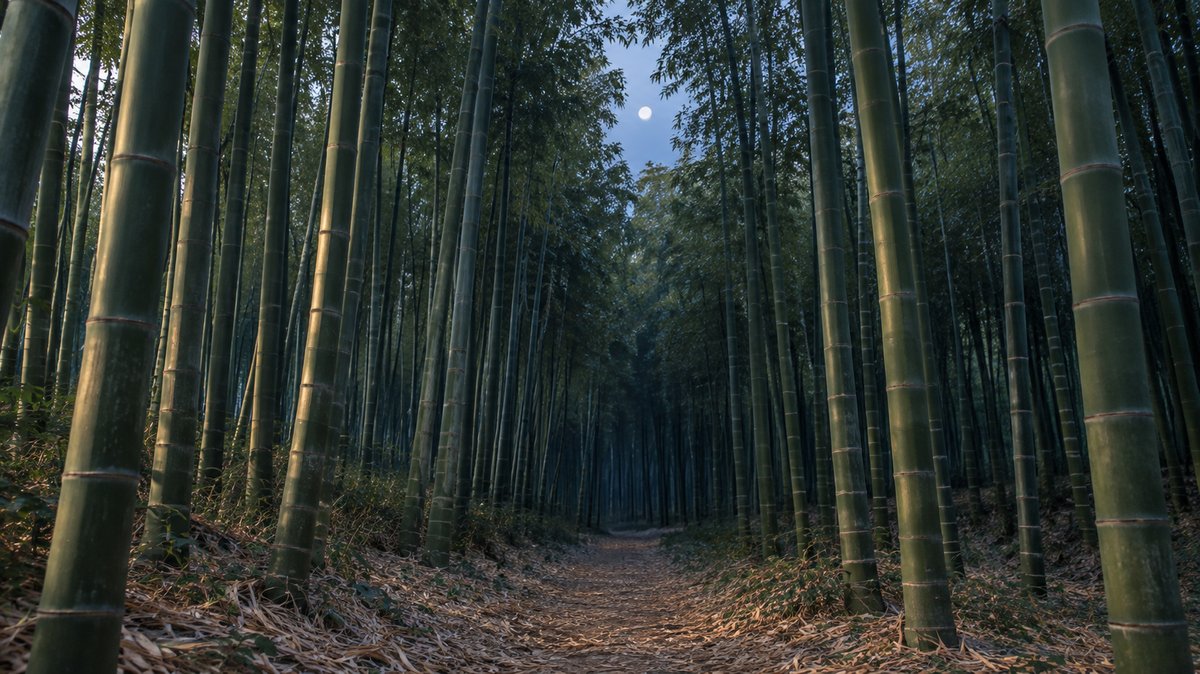 Word 172
Those Dear to Us Are Also Others
Sanuki Shrine (Mitsuyoshi, Koryo Town, Nara). Thought to be an old shrine named in the Engishiki, and linked by one theory to Sanuki no Miyatsuko, the old bamboo cutter of The Tale of the Bamboo Cutter. Taketori Park, also in Mitsuyoshi, has a bamboo grove.
Read more →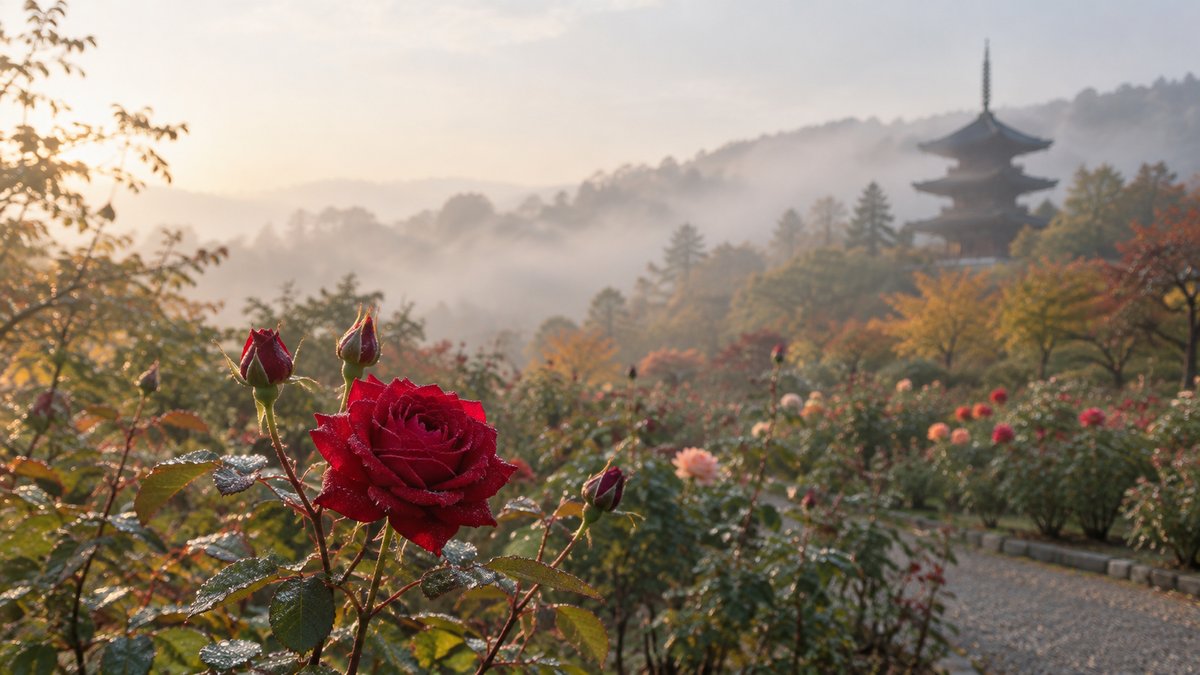 Word 171
Each Person Has Their Own Timing
Ryosen-ji Temple (Nakamachi, Nara City). An old temple said to date back to the Nara period; its main hall is a National Treasure, and its three-storied pagoda with cypress-bark roofs is an Important Cultural Property. Its rose garden, opened in 1957, has about 2,000 bushes of some 200 varieties, and autumn roses are usually at their best from mid-October to early November.
Read more →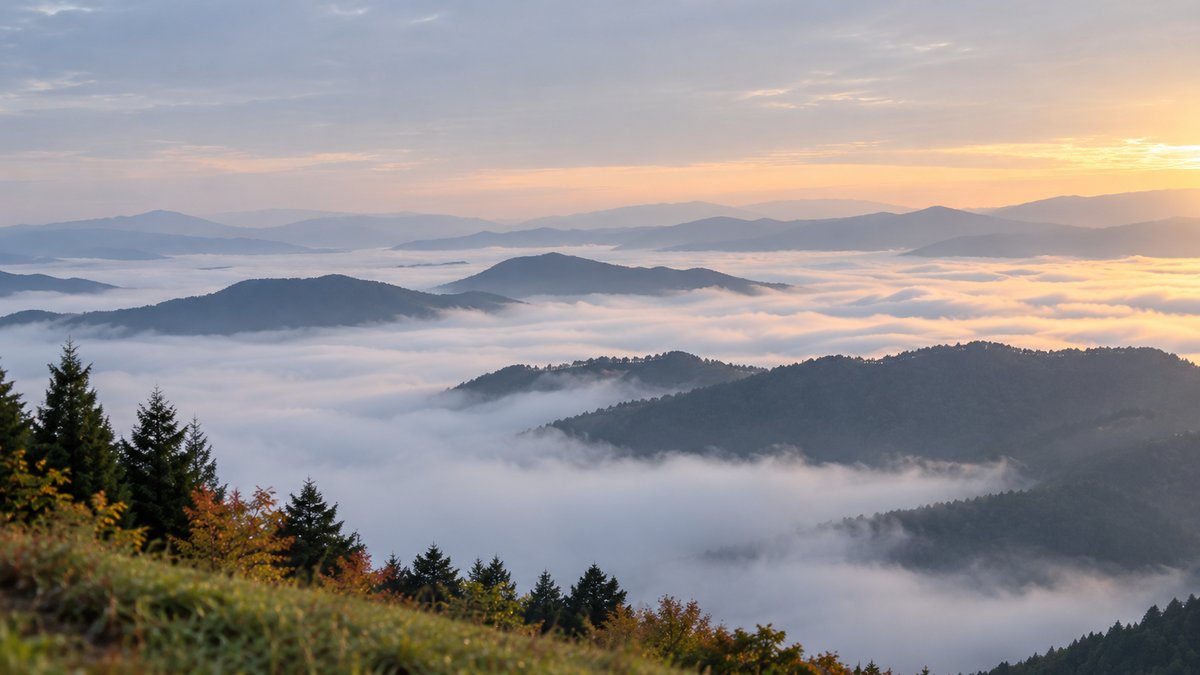 Word 170
Accept Unconditionally, and Be Grateful Unconditionally
The Sea of Clouds Scenic Spot in Nosegawa Village, Nara. A viewpoint beside a prefectural road at an elevation of 980 m, selected as one of Nara Prefecture's scenic heritage sites. On clear, calm mornings after a day of rain, a sea of clouds can fill the valleys.
Read more →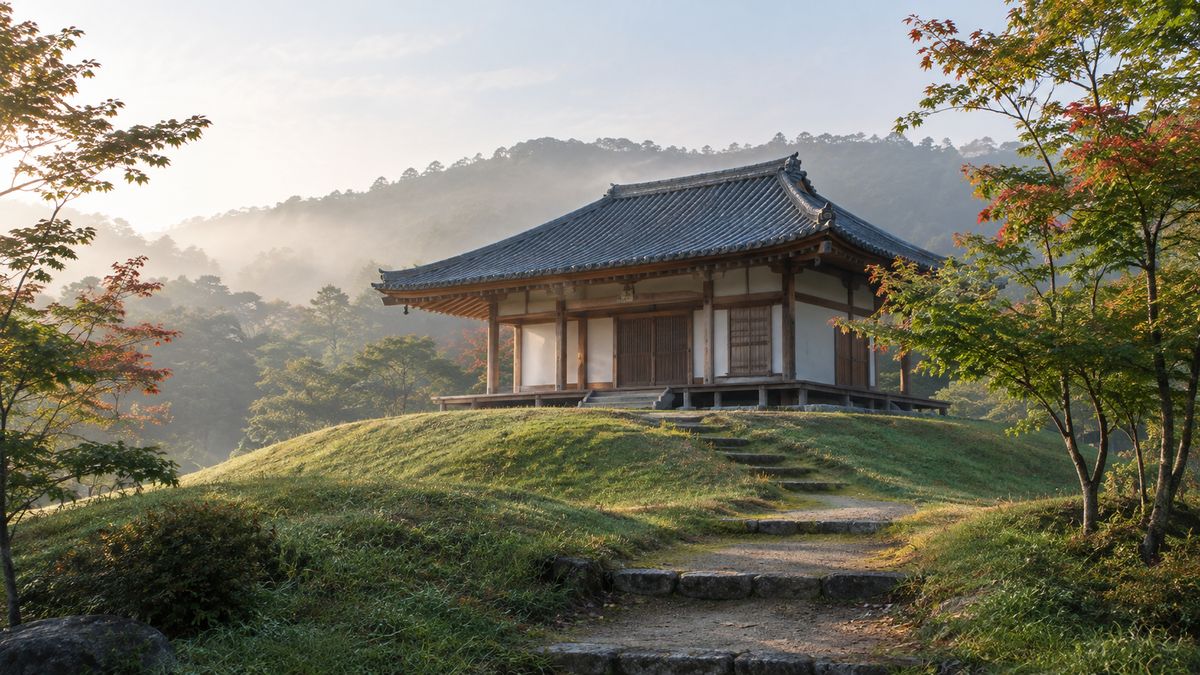 Word 169
People Can Change, and That Means Changing Ourselves
Darumaji Temple in Oji, Nara. A temple linked to the Nihon Shoki legend of Prince Shotoku and a starving traveler at Kataoka. It is said to have been built on top of the ancient burial mound believed to be the traveler's grave, and it enshrines statues of Prince Shotoku and Bodhidharma.
Read more →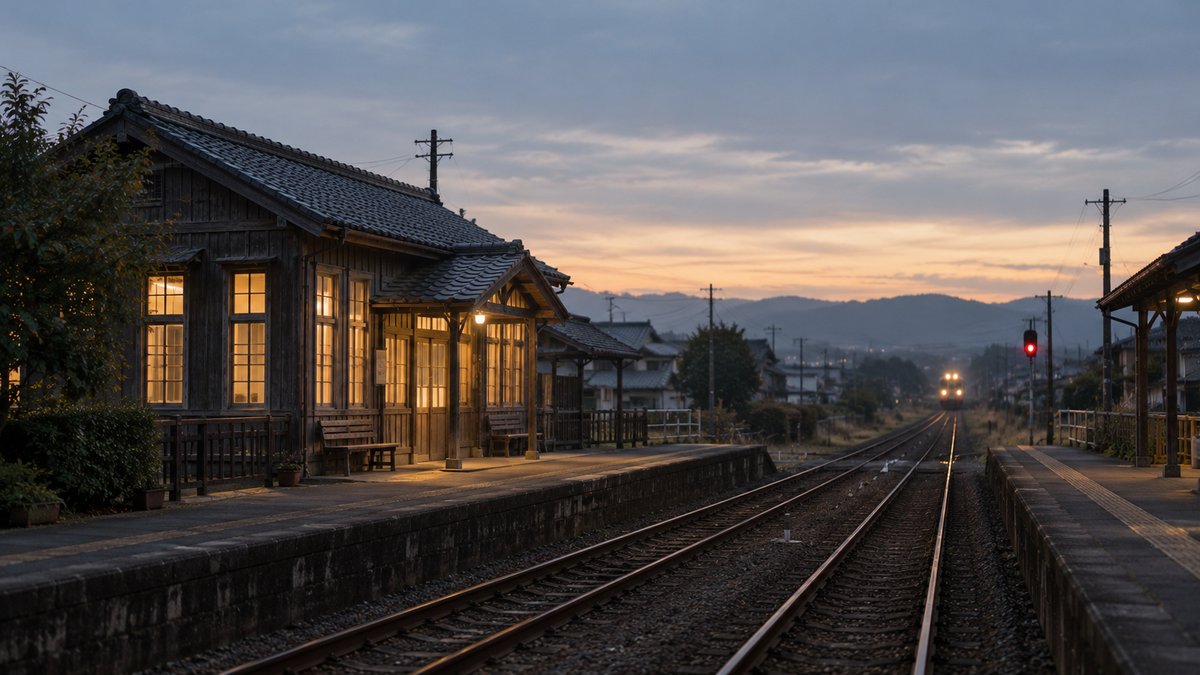 Word 168
Remember the Effort of the Many People Who Support Our Everyday Life
Kyobate Station in Minami-Kyobatecho, Nara. An unstaffed station on the JR Sakurai Line (Manyo Mahoroba Line) at the southern gateway to Naramachi. Its wooden station building from the Meiji era has been restored by the city of Nara, and local people serve as community stationmasters.
Read more →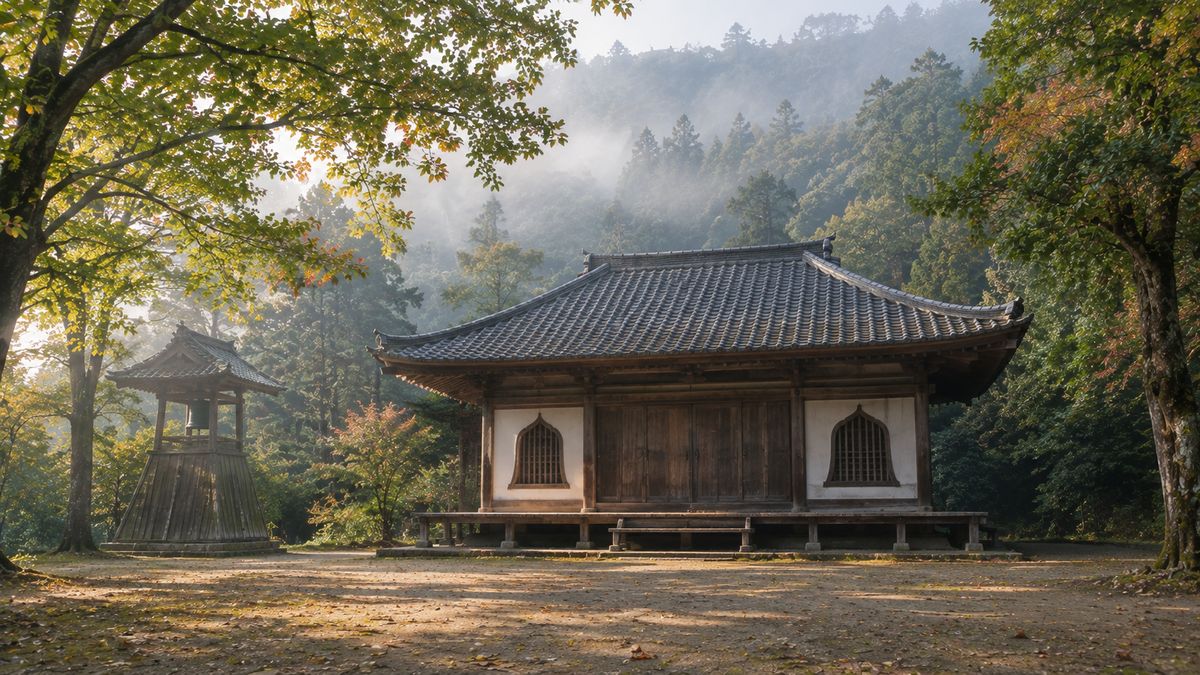 Word 167
Rather Than Lamenting What You Lack, Be Grateful for What You Have
Chisoku-in, Todai-ji, in Zoshicho, Nara. A sub-temple of Todai-ji on the hill north of the Great Buddha Hall, it is the northernmost temple within the precinct. Its principal image is known as the Letter-Bearing Jizo, and a legend tells of Fujiwara no Yukitaka, who worked to rebuild Todai-ji, and of his daughter.
Read more →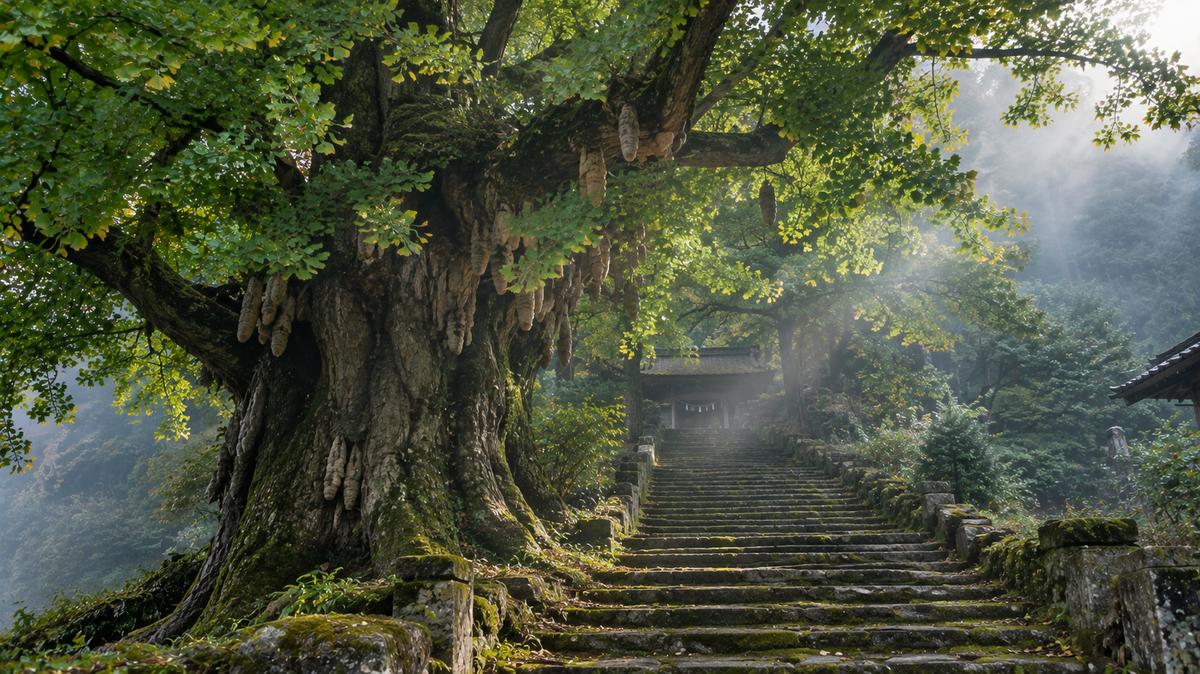 Word 166
First, Acknowledge Your Own Reason for Being, Unconditionally
Katsuragi Hitokotonushi Shrine in Gose, Nara. It enshrines Hitokotonushi, fondly known as a god who grants a wish spoken in a single word, beside a ginkgo estimated to be twelve hundred years old. The Kojiki tells of Emperor Yuryaku meeting this god in the Katsuragi mountains.
Read more →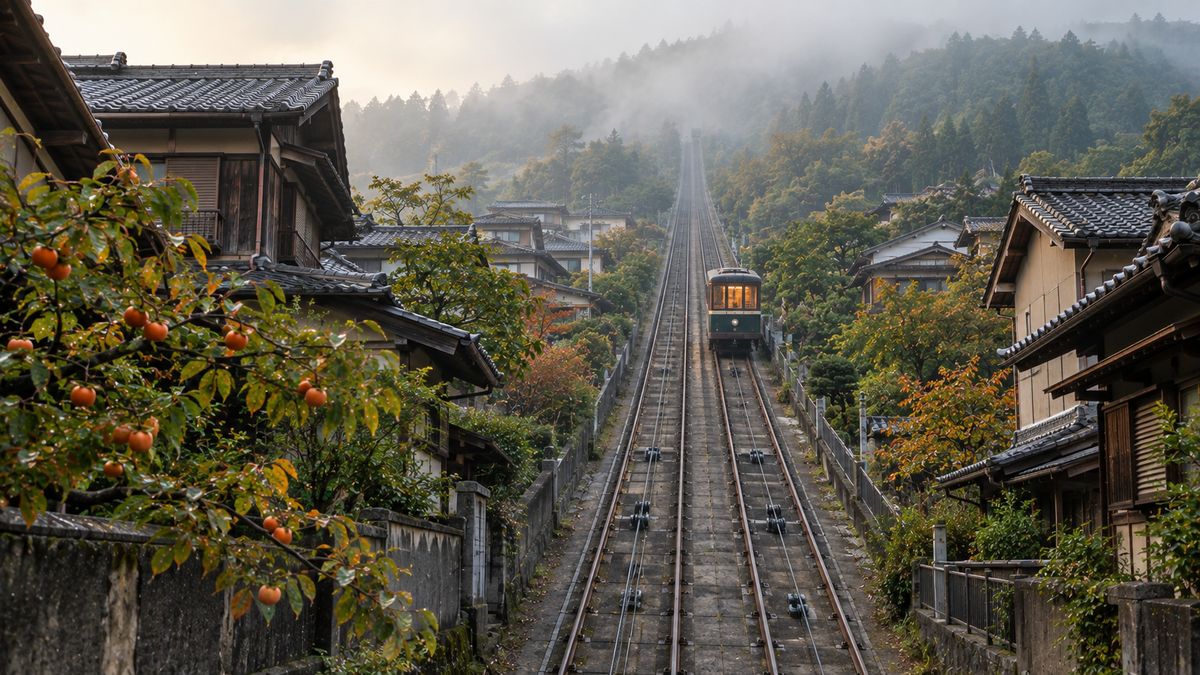 Word 165
Be Grateful for the Ordinary Things, and Savor How Precious They Are
The Ikoma Cable Line in Ikoma, Nara. Japan's first cable car, opened in 1918 to carry pilgrims to Hozan-ji Temple. It climbs a slope lined with homes and is now also an everyday ride to work and school.
Read more →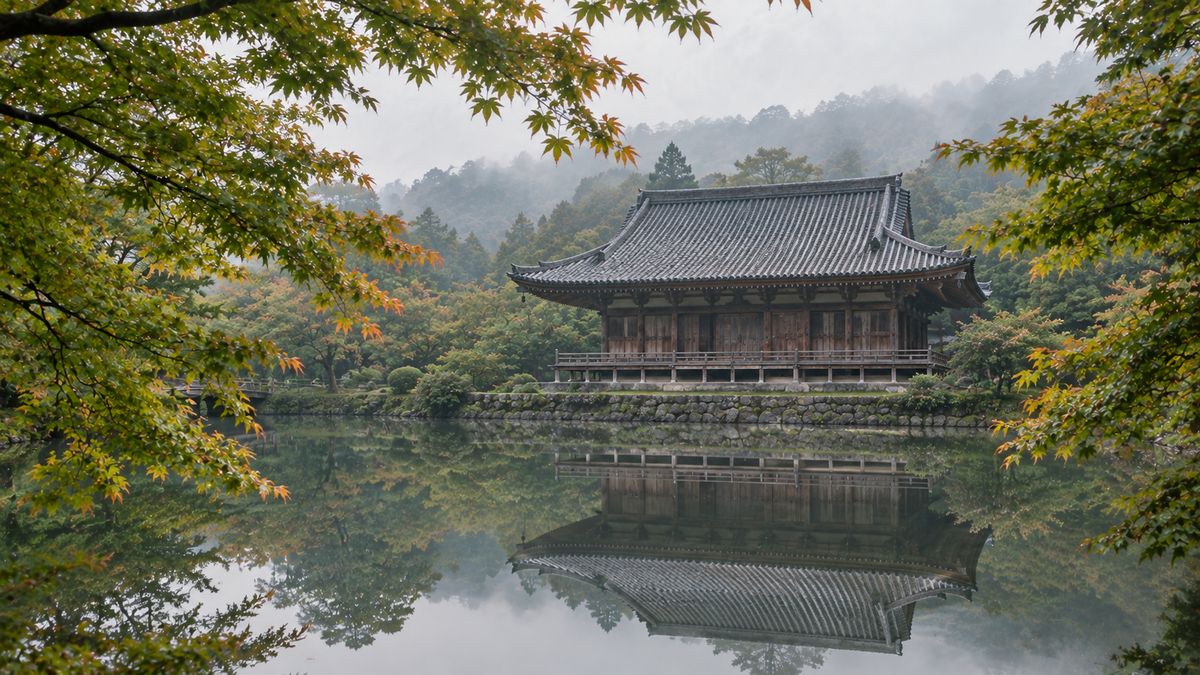 Word 164
Glasses Can Be Changed at Any Time
Chogaku-ji Temple in Tenri, Nara, on the Yamanobe-no-Michi trail, said to have been founded by Kukai. Its bell-tower gate is said to be the oldest in Japan, and its Amida triad is the oldest dated example of Buddhist statues with gyokugan, eyes of inlaid crystal.
Read more →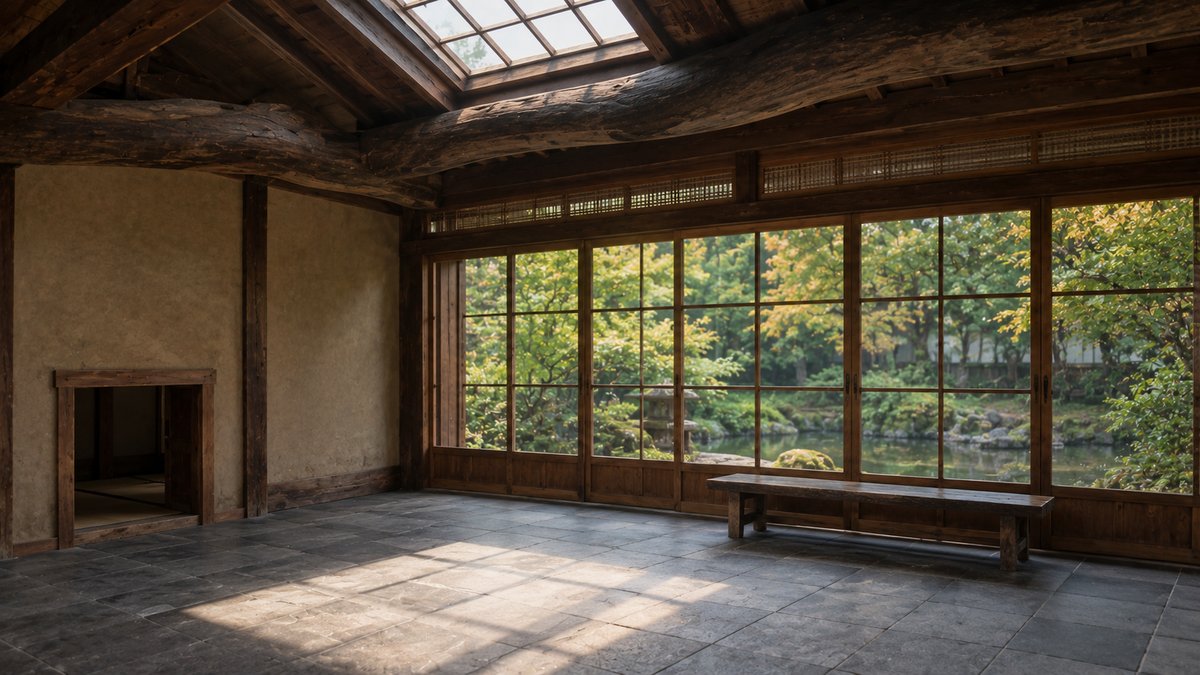 Word 163
What Kind of Life You Make Is Entirely Up to You
The former home of the writer Shiga Naoya in Takahata, Nara, which he planned himself and built in 1929. Its skylit sunroom and Western-style dining room remain, and it was here that he finished his novel A Dark Night's Passing.
Read more →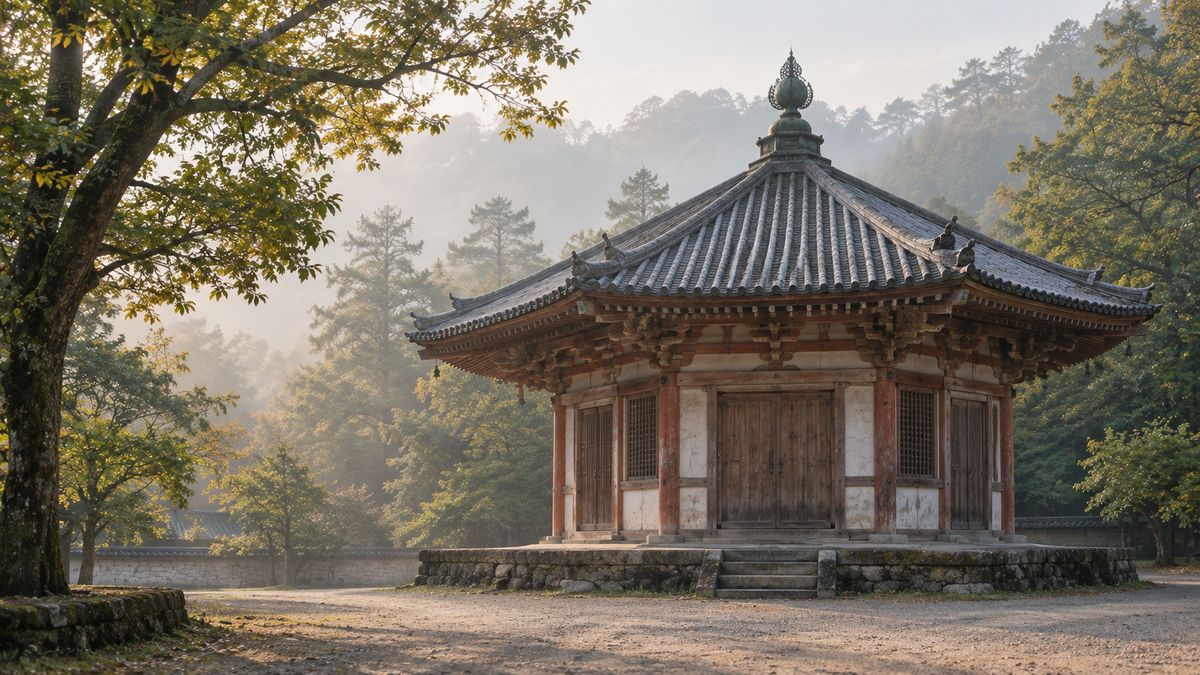 Word 162
Let Us Find the Courage to Face Ourselves
The Hokuendo of Kofuku-ji Temple in Nara, an eight-sided hall built for the first anniversary of the death of Fujiwara no Fuhito, and the oldest building remaining at the temple. Inside are a seated Miroku and the standing brothers Muchaku and Seshin, all by Unkei's workshop.
Read more →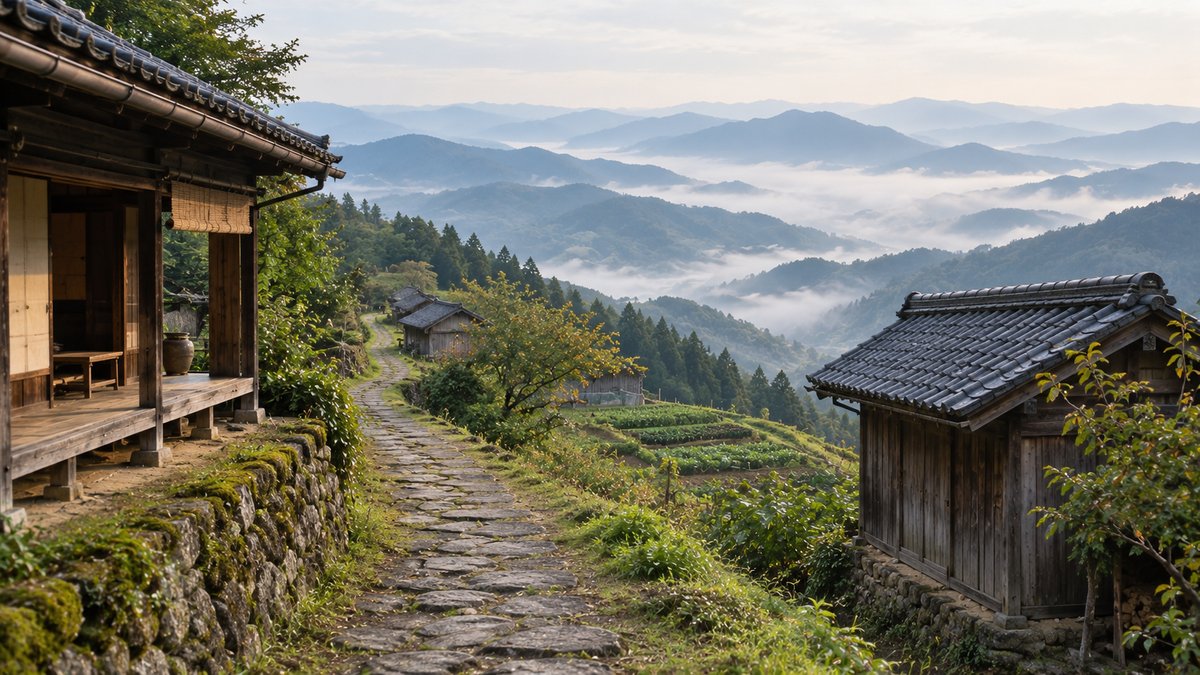 Word 161
Let Us Set Out in Search of the Meaning of Life's Journey
Hatenashi, a hamlet on a mountain ridge in Totsukawa Village, Nara. The Kohechi, a Kumano Kodo pilgrimage route linking Koyasan and Kumano Hongu Taisha, passes between its homes. Known as the Village in the Sky, it looks north over layer upon layer of mountains.
Read more →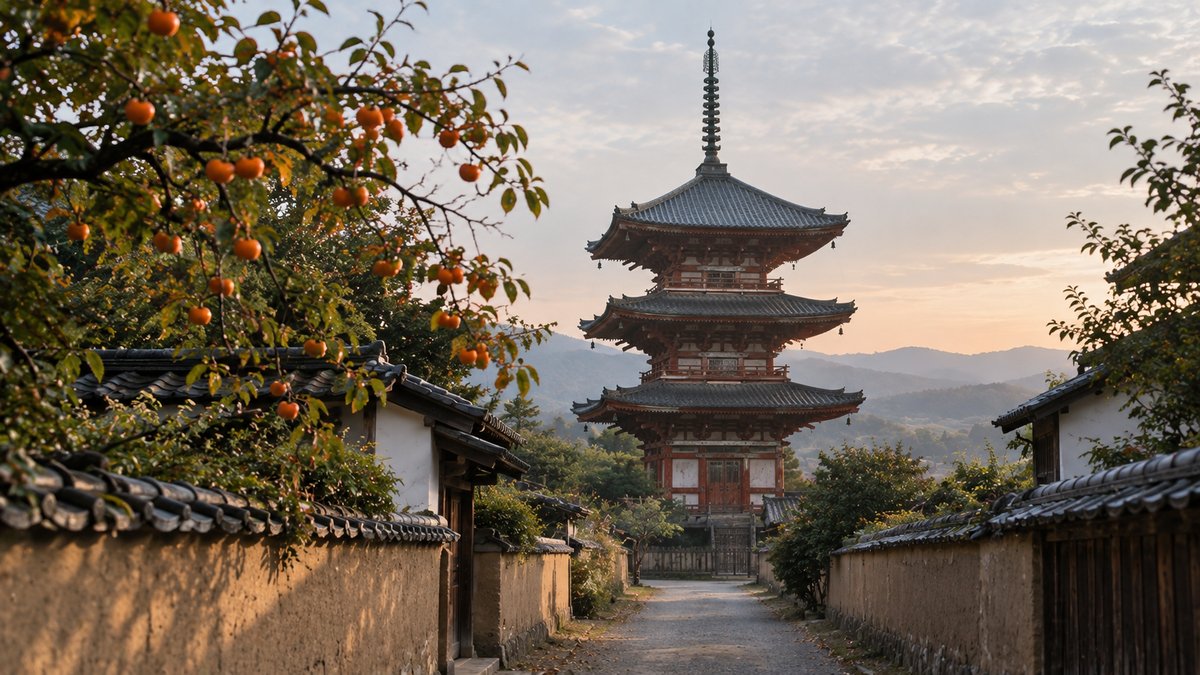 Word 160
Choosing Good Actions, Together
Horinji Temple in Ikaruga, Nara. Its three-story pagoda, one of the Three Pagodas of Ikaruga, burned by lightning in 1944 and was rebuilt in 1975 through the efforts of the writer Koda Aya, the support of twenty thousand people, and master carpenter Nishioka Tsunekazu and others.
Read more →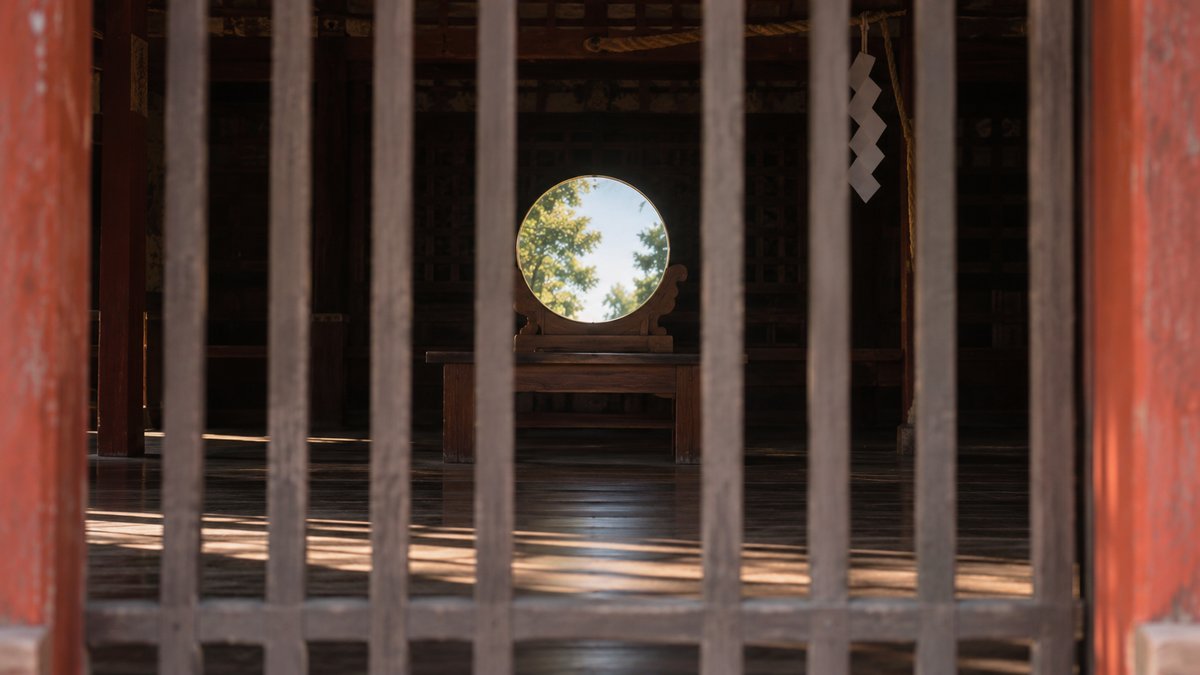 Word 159
Before Pointing at Others, Reflect on Yourself
Kagamitsukuri Shrine in Tawaramoto, Nara, formally Kagamitsukuri-ni-imasu-Amateru-Mitama Shrine. It stands where ancient mirror makers, the Kagamitsukuri-be, once lived, and has long been revered as the shrine of the deity of mirror casting. The Mirror Pond and the Mirror Stone remain in its grounds.
Read more →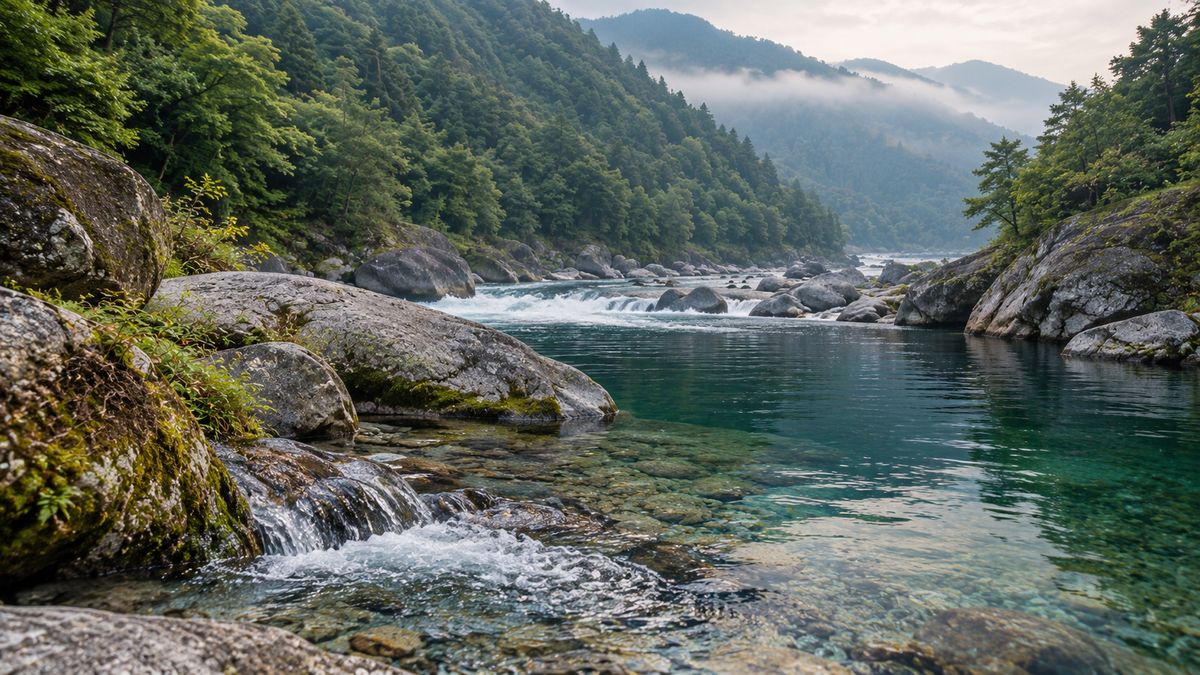 Word 158
This World Brings About What We Focus On
Miyataki in Yoshino, Nara: a scenic spot where the Yoshino River bends in a great curve between huge rocks. It is thought to be the site of the Yoshino Palace of the Asuka and Nara periods, and Yume-no-Wada, the pool where the Kisa stream flows in, appears in many Man'yoshu poems.
Read more →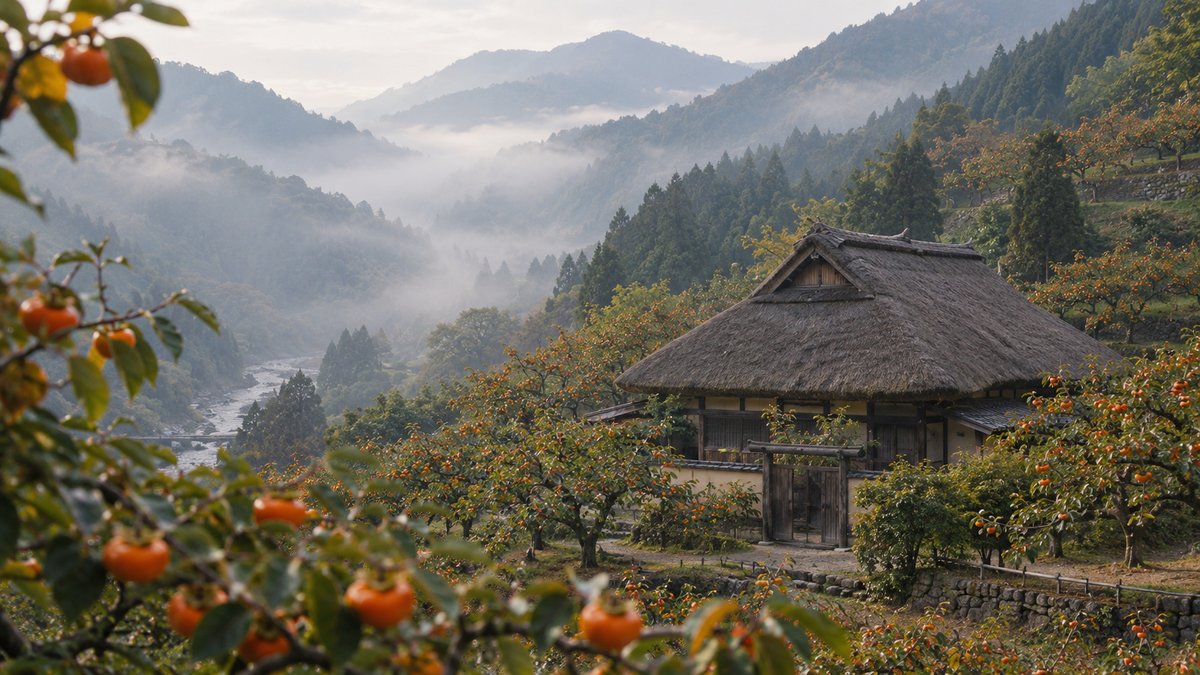 Word 157
As Many Kinds of Justice as There Are Standpoints
The Hori family residence, once the imperial palace at Ano in Nishi-Yoshino, Gojo, Nara. In the age of the Northern and Southern Courts, it became the palace of the Southern Court emperors Go-Murakami, Chokei and Go-Kameyama, and three retired emperors of the Northern Court were also brought here. Its thatched main building is an Important Cultural Property.
Read more →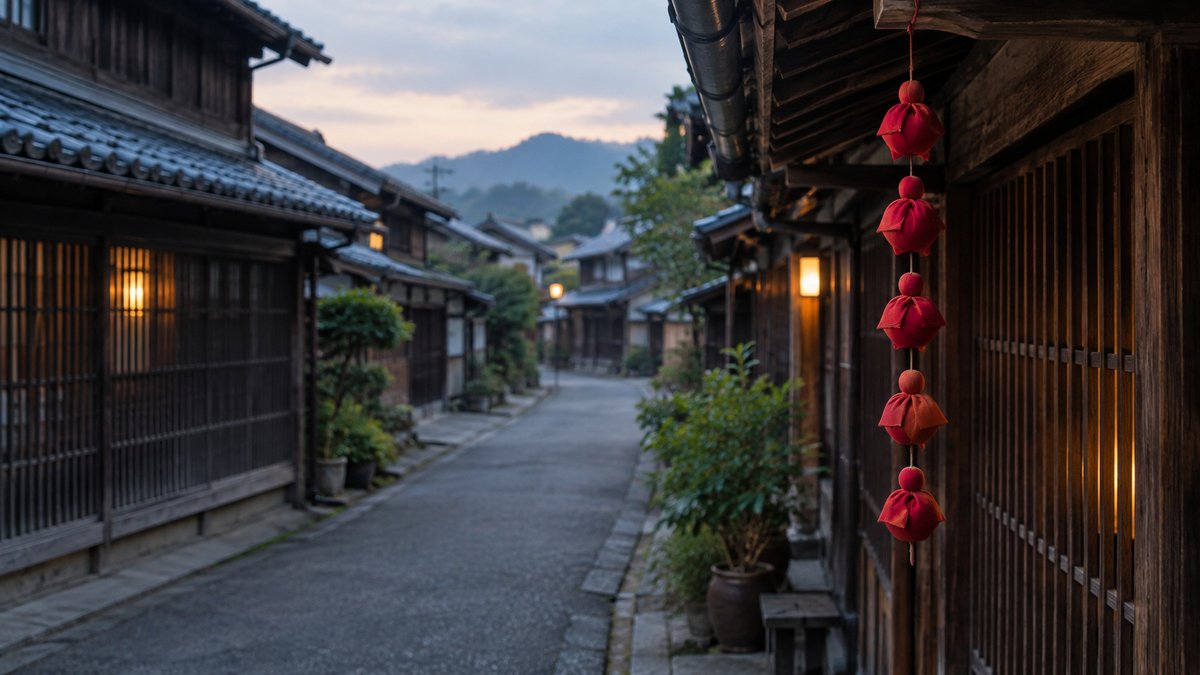 Word 156
From Time to Time, Ask Yourself
Migawari-zaru, the red cloth monkey charms hung from the eaves of old townhouses in Naramachi, Nara. They are said to take upon themselves any misfortune trying to enter a home, and the small Koshin-do hall in Nishi-shinya-cho is the heart of this faith.
Read more →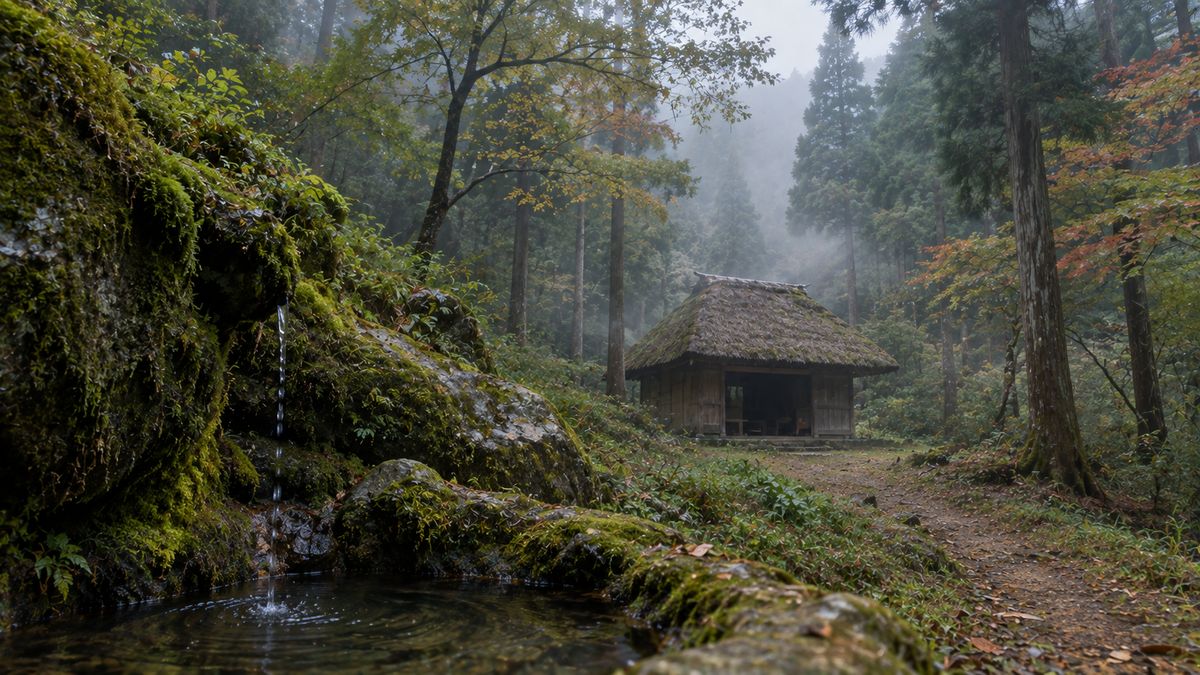 Word 155
Success in Life Is Yours to Decide
Saigyo-an hermitage in Oku-senbon, the innermost part of Mount Yoshino, Nara. Sato Norikiyo, a warrior who guarded the retired Emperor Toba, suddenly became a monk at twenty-three, and is said to have later spent about three years in this hermitage.
Read more →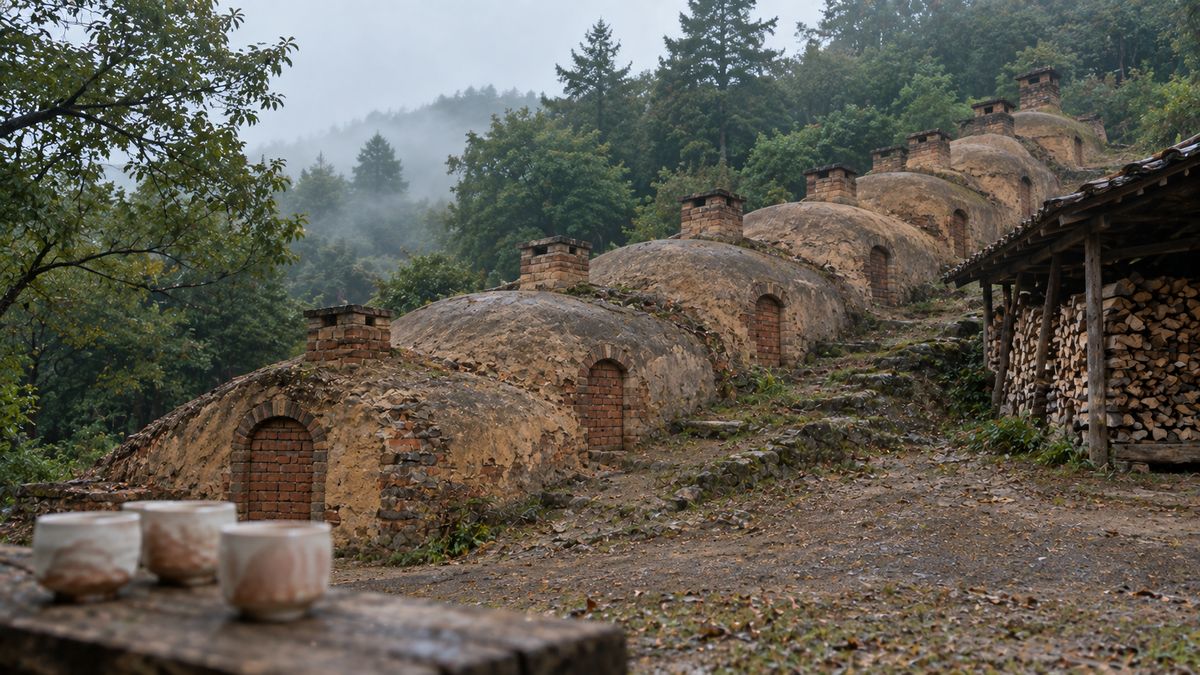 Word 154
It's All Right. You Have Surely Grown
The climbing kiln of Akahada ware in Akahada-cho, Nara. The great brick kiln, built at the end of the Edo period, was fired again in 2019 for the first time in about fifty years. Once the fire is out, no one can see inside until the kiln has cooled.
Read more →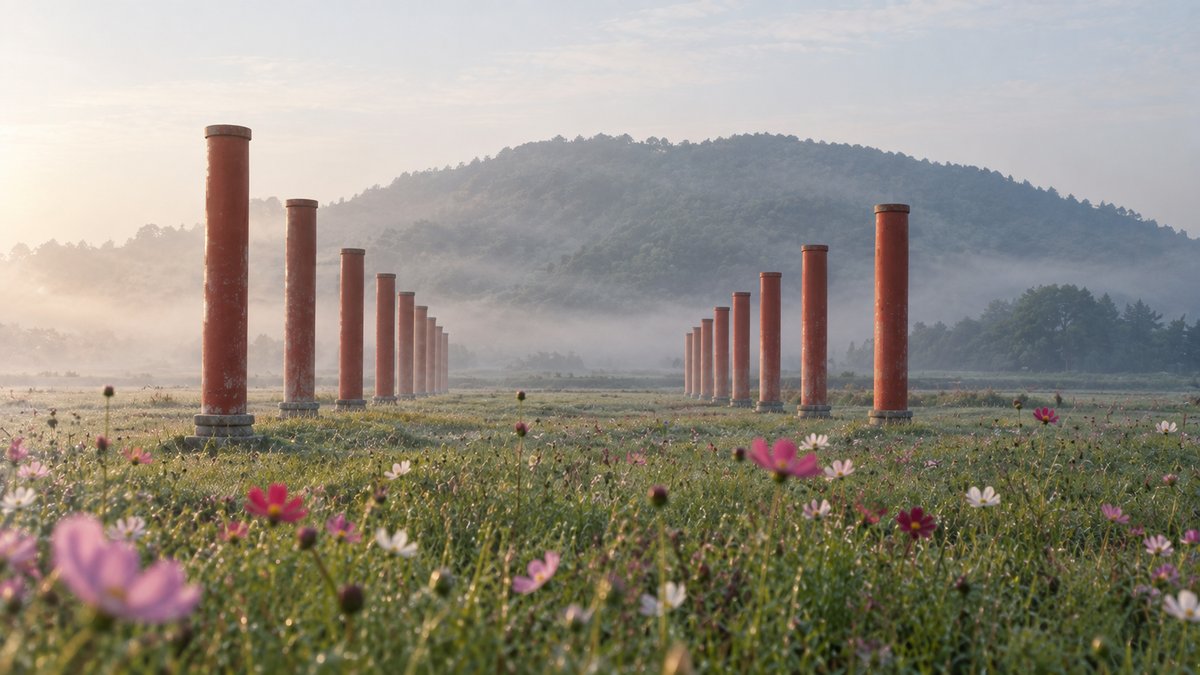 Word 153
Give Advice Without Seeking Anything in Return
The Fujiwara Palace Site in Kashihara, Nara. In 692, the Middle Counselor Miwa no Takechimaro went so far as to take off his court cap to plead against the empress's journey to Ise in the farming season. She did not heed him, and set out for Ise.
Read more →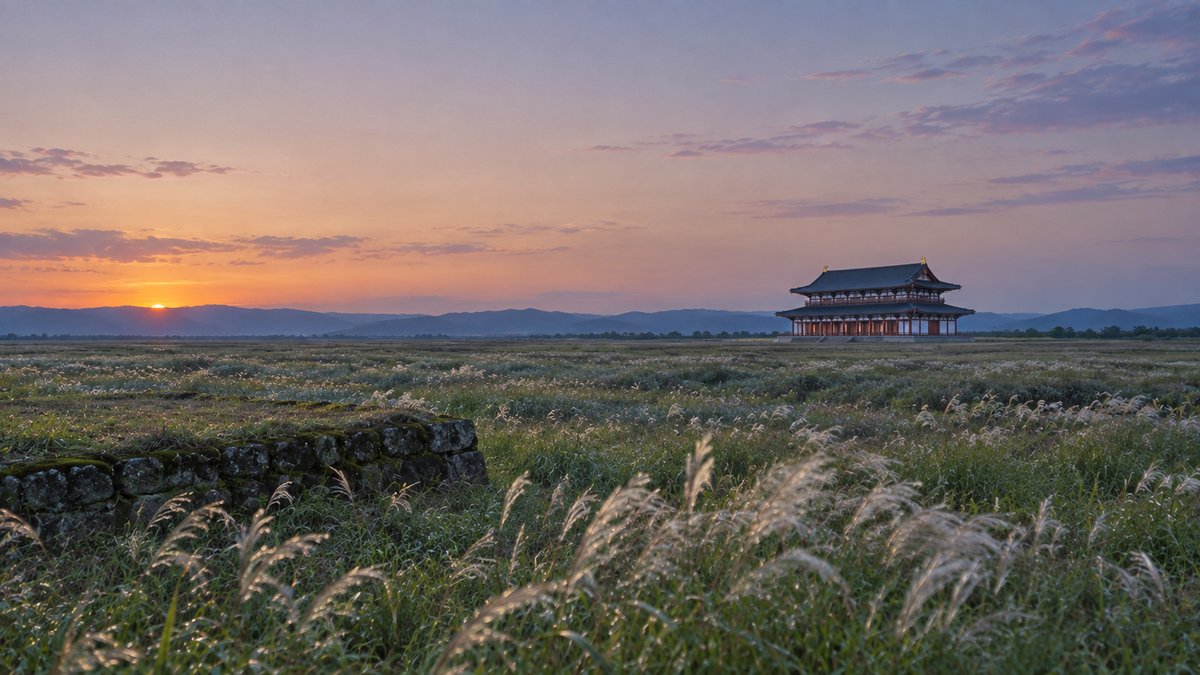 Word 152
Sometimes, the Courage to Turn Back
The Heijo Palace Site in Nara. In the fifth month of 745, after nearly five years of moving the capital, Emperor Shomu asked his officials and the monks of four great temples where the capital ought to be. Every answer was Heijo.
Read more →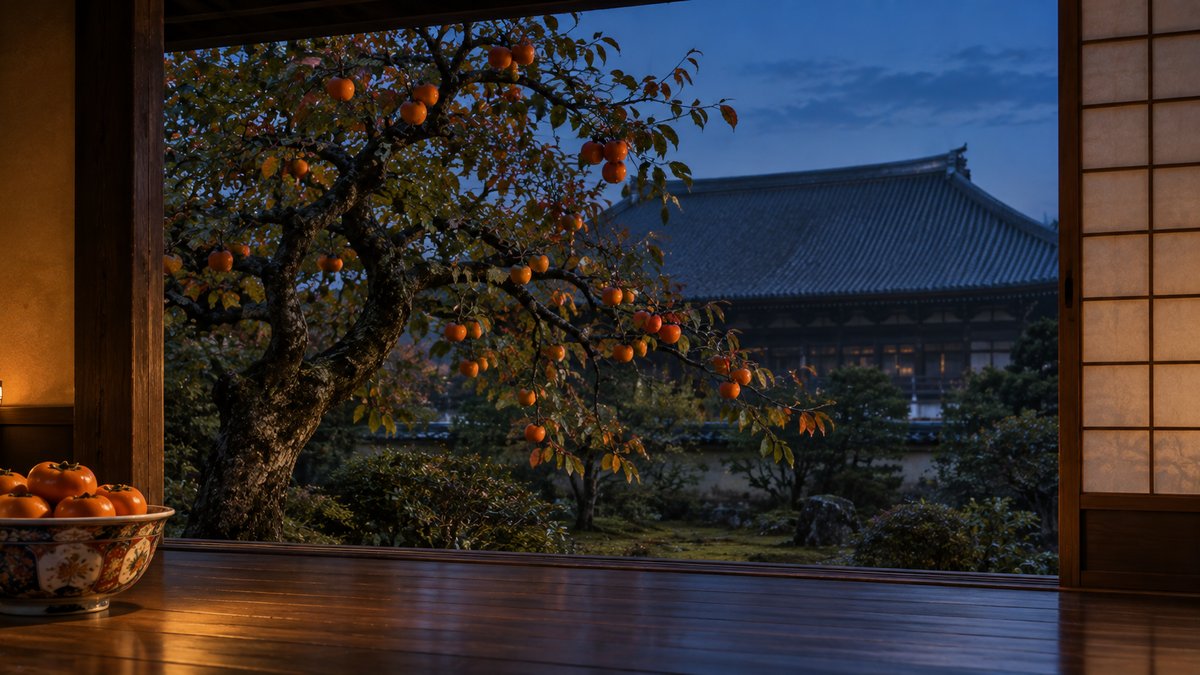 Word 151
If Words Are Hard, Begin with a Smile or a Nod
Shiki's Garden, on the site of the old Taizanro inn in Nara. In October 1895, the poet Masaoka Shiki ate persimmons peeled for him by the maid of this inn as he heard the bell of Todai-ji. When she slid open the screen, Todai-ji rose right above them.
Read more →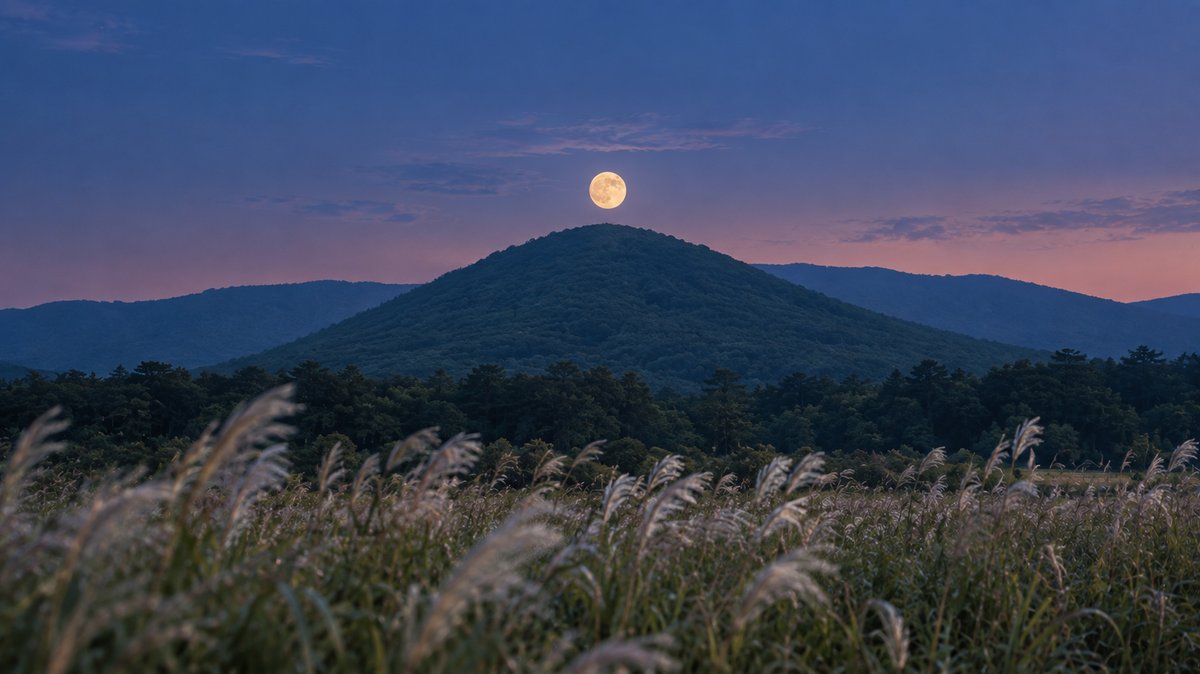 Word 150
Name Three Good Things from Today
Mount Mikasa, behind Kasuga Taisha in Nara. The envoys to Tang China prayed here for a safe passage before setting out. Thirty-six years after sailing to China, Abe no Nakamaro is said to have composed a poem about the moon over this mountain before boarding a ship for home. On the waiting evening, the night before the mid-autumn moon.
Read more →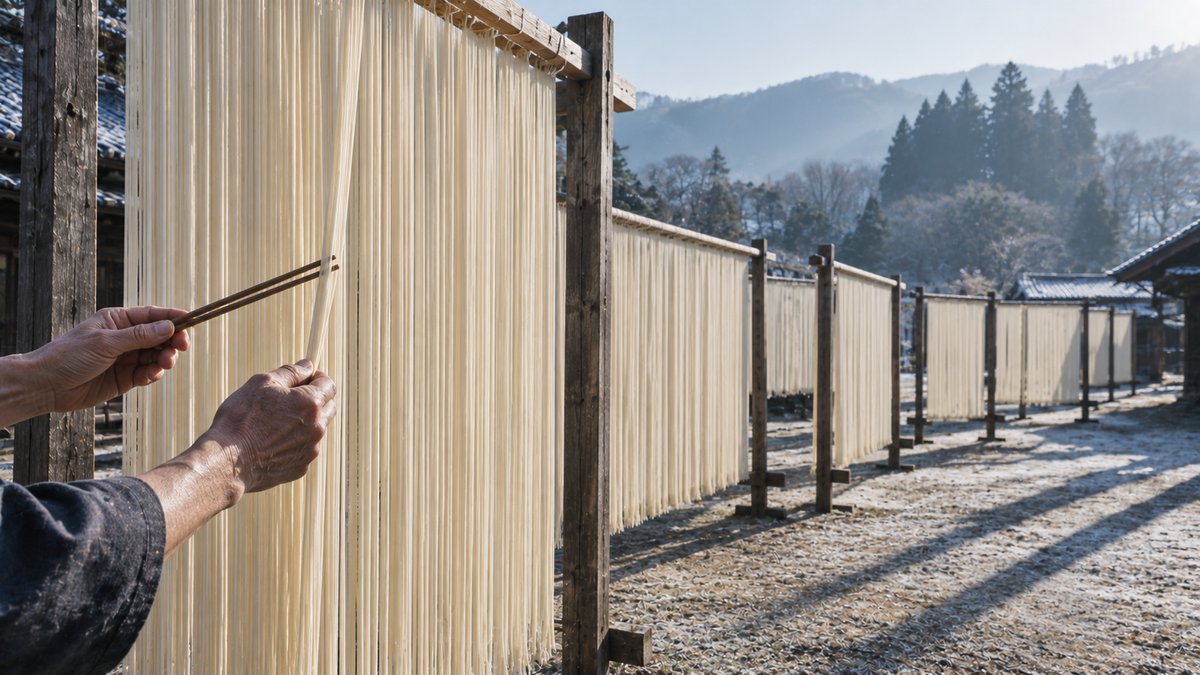 Word 149
Take the Long View
Miwa somen (Sakurai, Nara). Noodles on wooden frames are carried outside for a brief spell in the cold winter air at the foot of Mount Miwa. The noodles just finished are not sold that year -- they rest through a summer before becoming what is called aged somen.
Read more →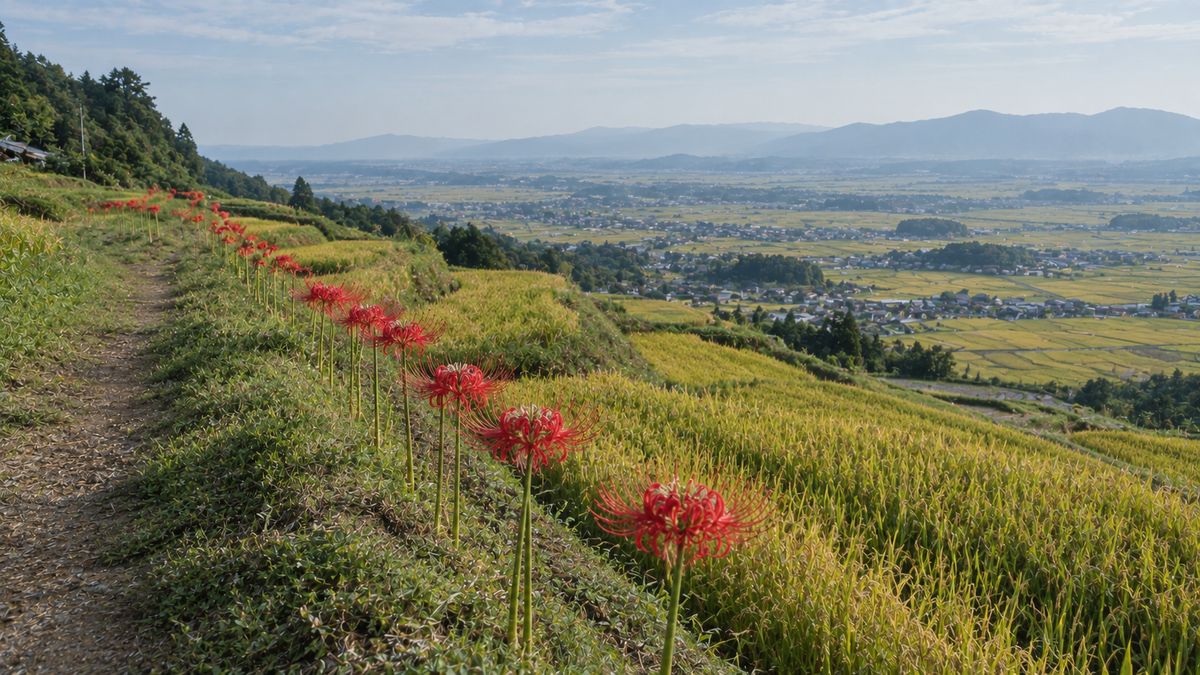 Word 148
Two Sides of One Whole Coexist, Not Collide
Kuhon-ji and the Katsuragi Old Road in Gose, Nara. A temple said to have been founded by Gyoki, where the Thousand Stone Buddhas stand together. Around the autumn equinox, red spider lilies bloom along the ridges of the rice fields beside the old road. Their flowers and leaves never appear at the same time.
Read more →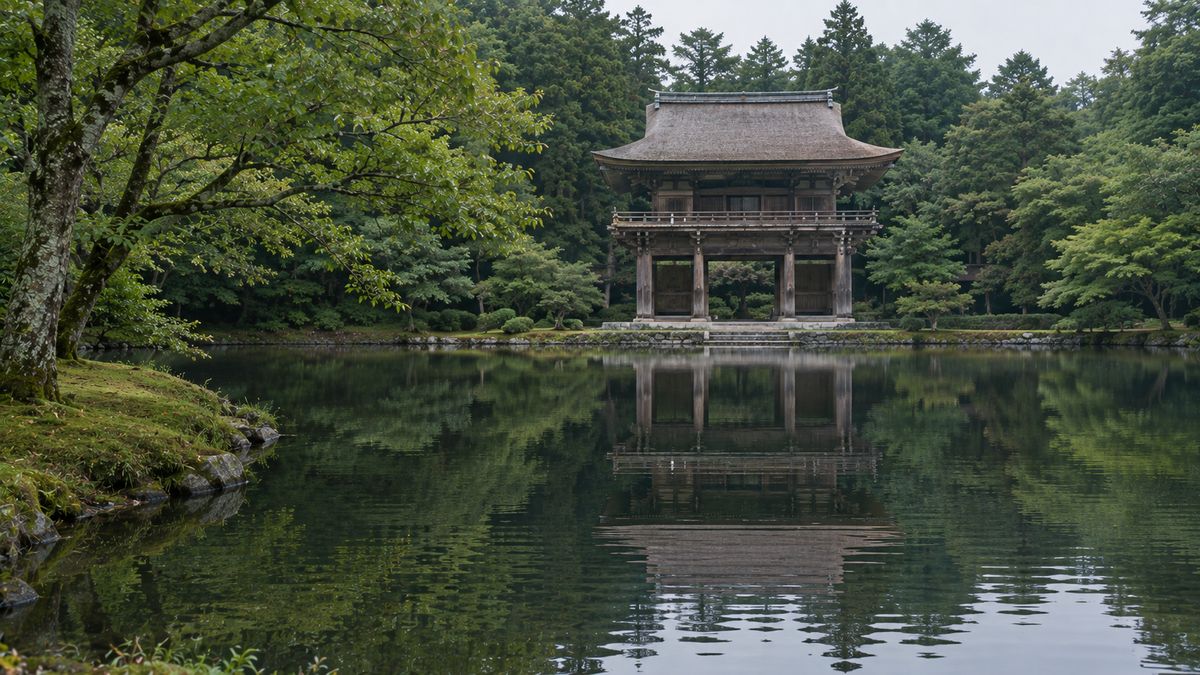 Word 147
Settle the Balance Yourself
Enjo-ji in Ninnikusen, Nara. A temple in the hills along the old Yagyu road. In front of its two-story gate lies a Pure Land garden from the end of the Heian period. Spoiled by a prefectural road from the Meiji era onward, the view was regained after the road was shifted in 1961 and the garden restored in 1976.
Read more →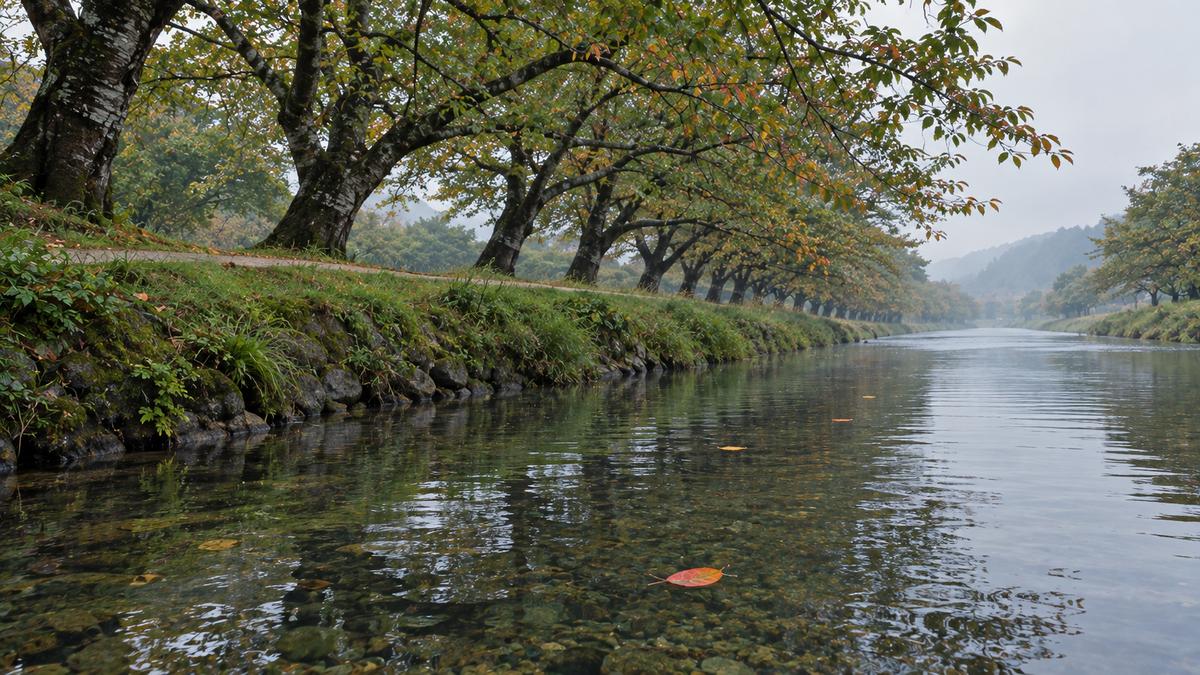 Word 146
Give, Seeking Nothing in Return
The cherry trees along the Saho River in Nara. Some thousand of them follow the embankment for about five kilometers, down to the railway bridge of the JR line. Those planted at the wish of Kawaji Toshiakira, magistrate of Nara at the end of the Edo period, are still called the Kawaji cherries.
Read more →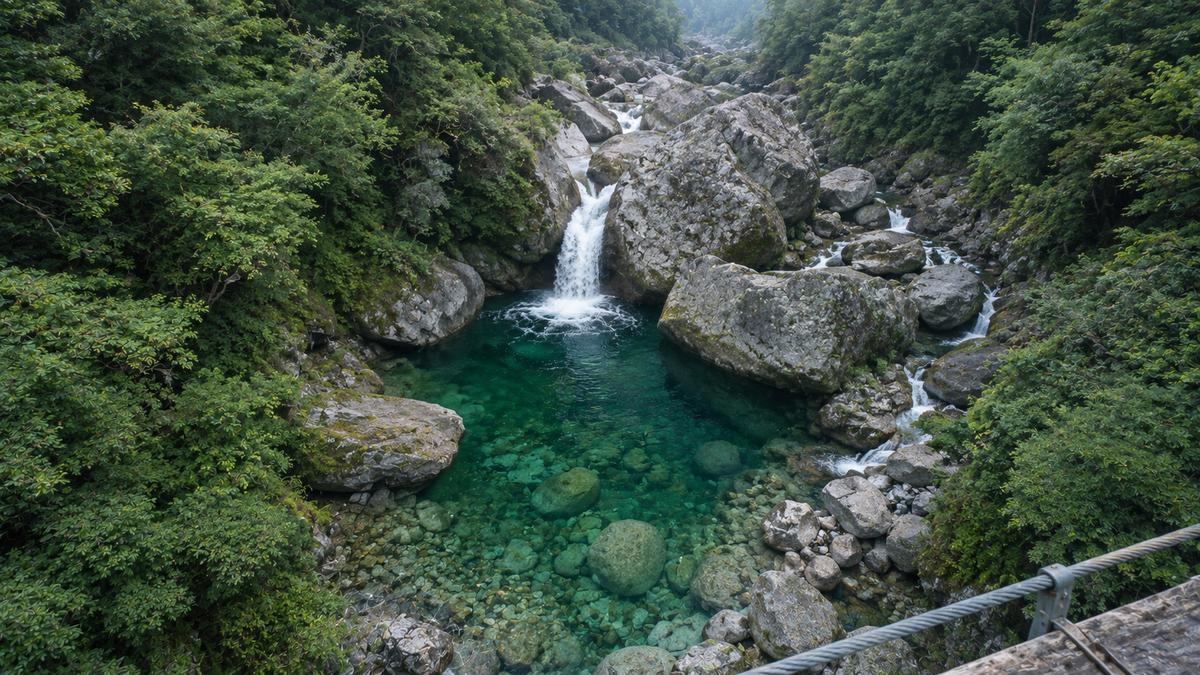 Word 145
Anxiety Is Born of Not Knowing
Mitarai Gorge in Kitozumi, Tenkawa Village, Yoshino District, Nara. The gorge opens along the lower Sanjo River, a tributary of the Tenno River, near where the Kose River joins it. Water drops between boulders in many separate threads, and the pools glow emerald green yet stay clear enough to show the stones on the bottom.
Read more →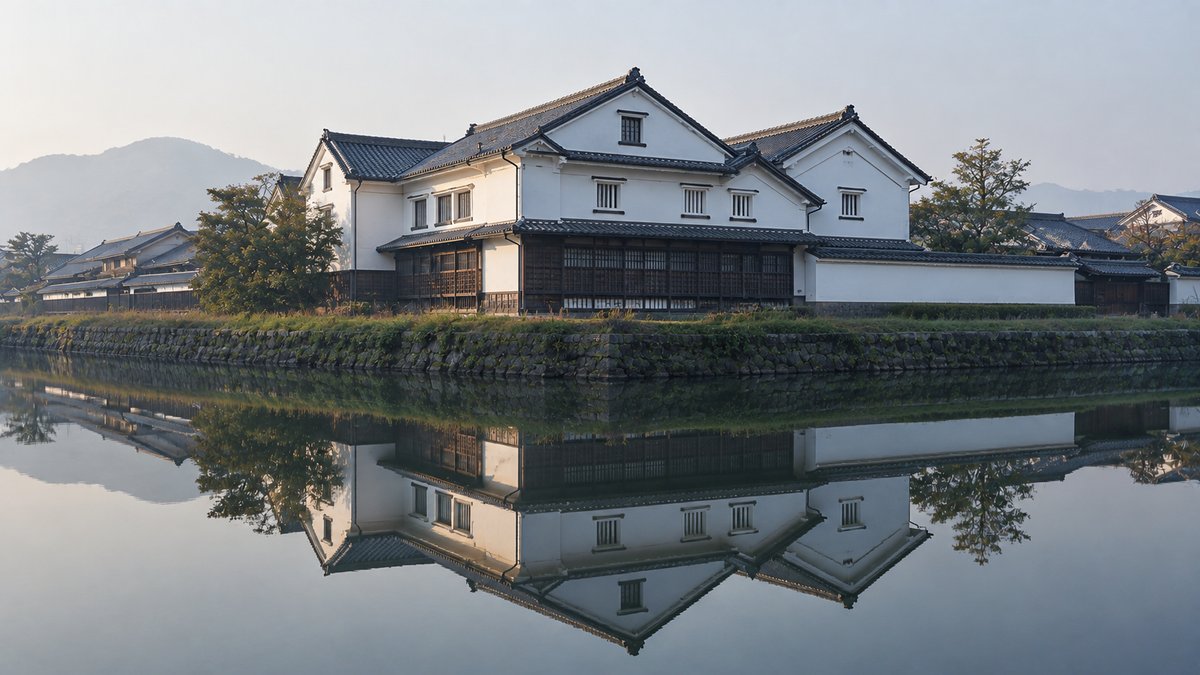 Word 144
What Do We Really Gain by Defeating Others
Imai-cho in Kashihara City, Nara. Across the Sobu Bridge over the Asuka River, white plaster walls and wooden lattices line the streets. In the warring years it was a temple town ringed by a moat and an earthen bank; in 1575 it laid down its weapons on the condition that the moat be filled in, and prospered as a town that governed itself.
Read more →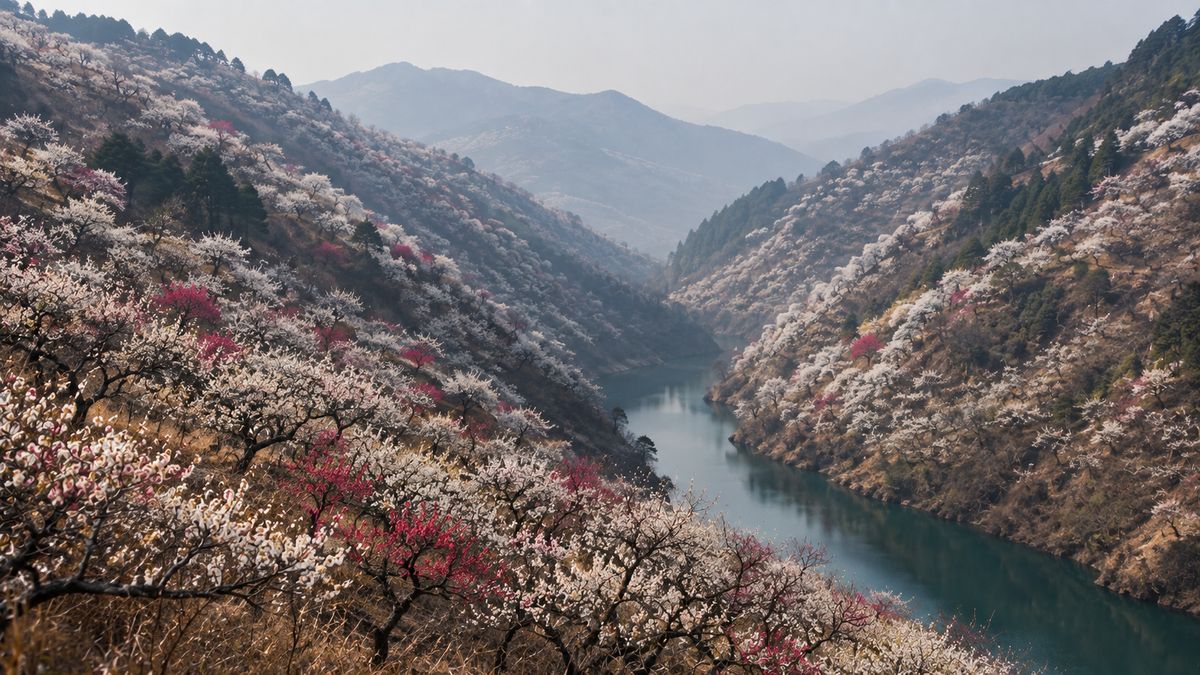 Word 143
Do Not Lose Heart
Tsukigase Plum Grove, Nara City. Plum trees spread across the slopes of the Nabari River valley, named one of Japan's very first Places of Scenic Beauty in 1922. The trees were once planted to make ubai, smoked plums essential for safflower dyeing.
Read more →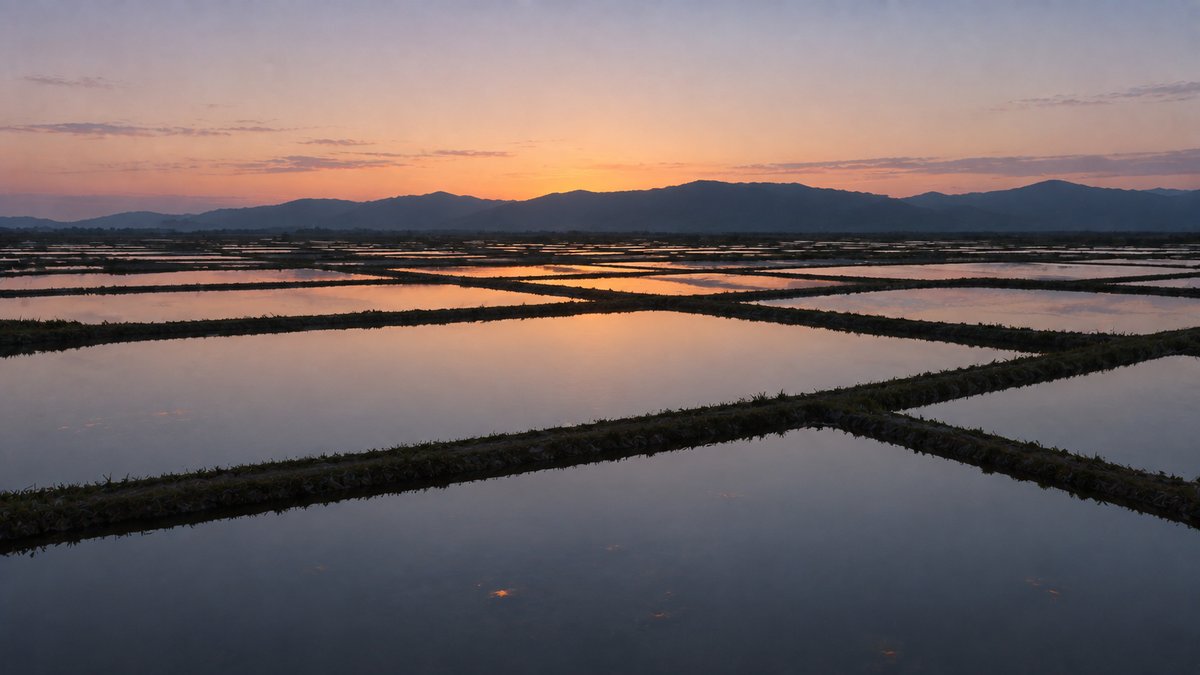 Word 142
Not Troubled by the Differences
The goldfish ponds of Yamatokoriyama, Nara. A town where goldfish farming is said to have begun in 1724, in the Edo period. In ponds that spread out like rice paddies, all kinds of goldfish are raised, from fancy varieties to the little koaka familiar from goldfish scooping.
Read more →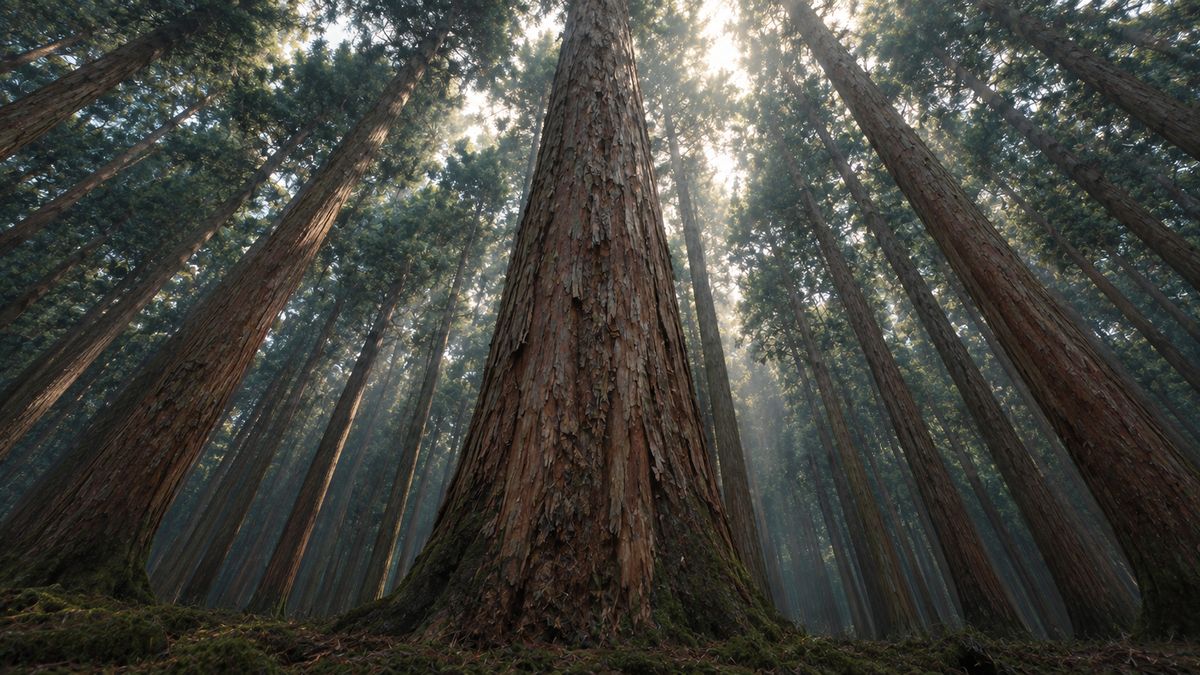 Word 141
Places Reached Only by Continuing
The Shimotako Village Forest, in Kawakami Village, Nara. One of the oldest planted forests in Japan, in the village said to be the birthplace of Yoshino forestry. Cedar and cypress thought to have been planted in the early Edo period stand here, among them a cedar estimated to be 410 years old, known as the Witness of History.
Read more →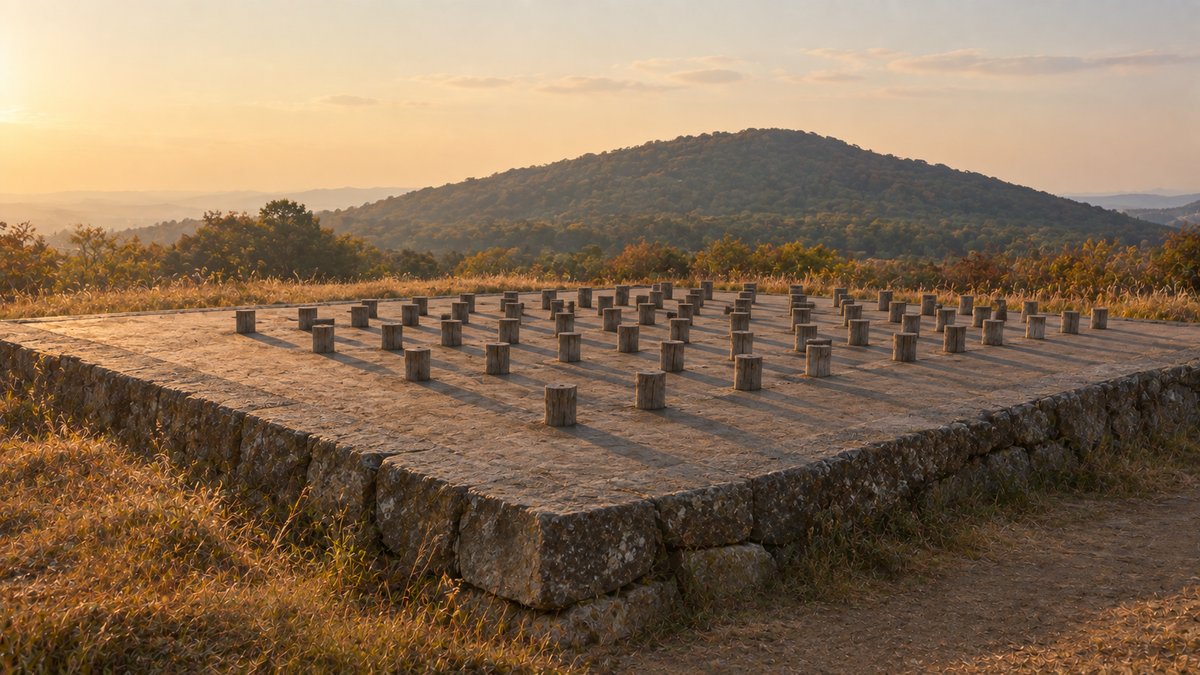 Word 140
In This Very Moment
The Asuka Mizuochi Site, in Asuka Village, Nara. In 660, Prince Naka no Oe is said to have made Japan's first water clock, the rokoku, here and let the people know the time. The stone platform has been rebuilt, with wooden posts standing where the pillars once were.
Read more →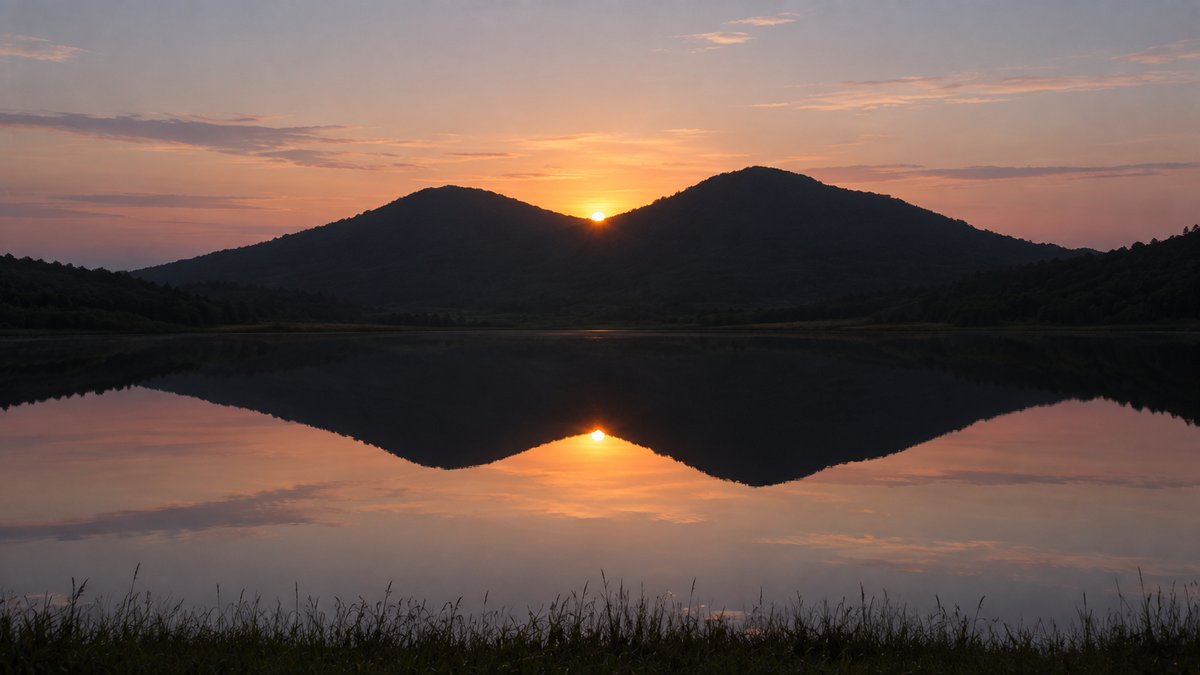 Word 139
Good Times and Bad Times
Chimata Pond, in Kashiba, Nara. To the west stands Mount Nijo, its two peaks, Odake and Medake, side by side. Around the spring and autumn equinoxes, the setting sun goes down right between them.
Read more →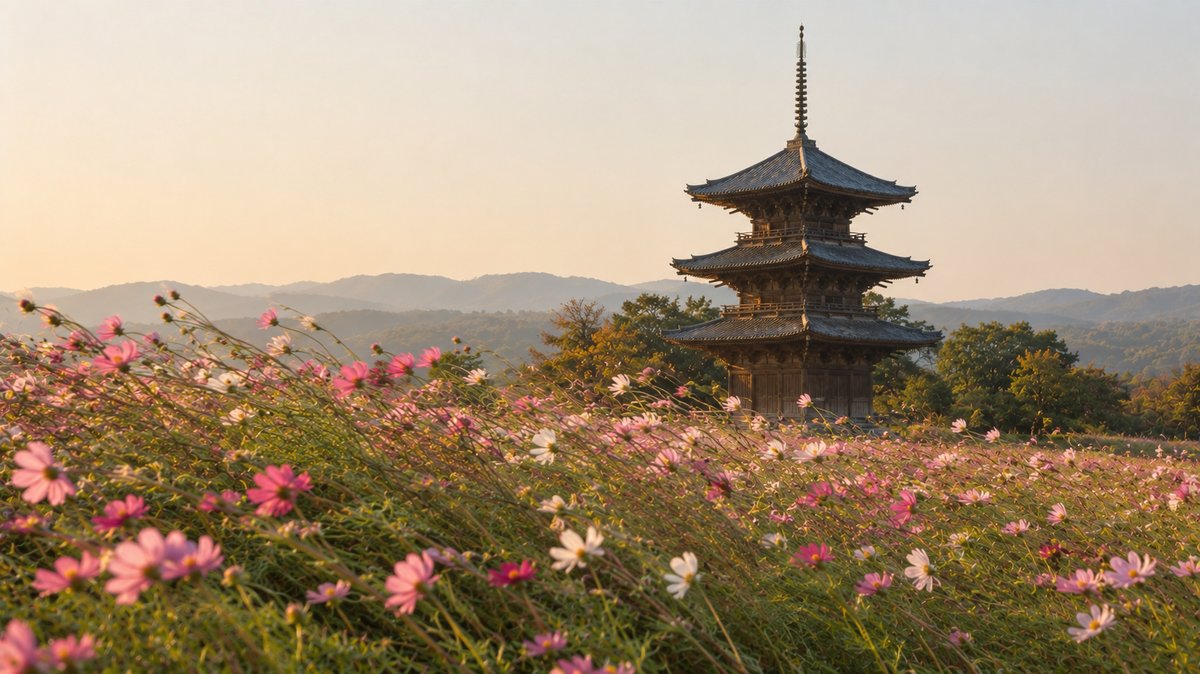 Word 138
Having a Core of Your Own
Hokiji, in Ikaruga, Nara. Home to the oldest three-storied pagoda still standing, thought to have been completed in 706. Through its centre, a single pillar called the shinbashira runs straight up from bottom to top.
Read more →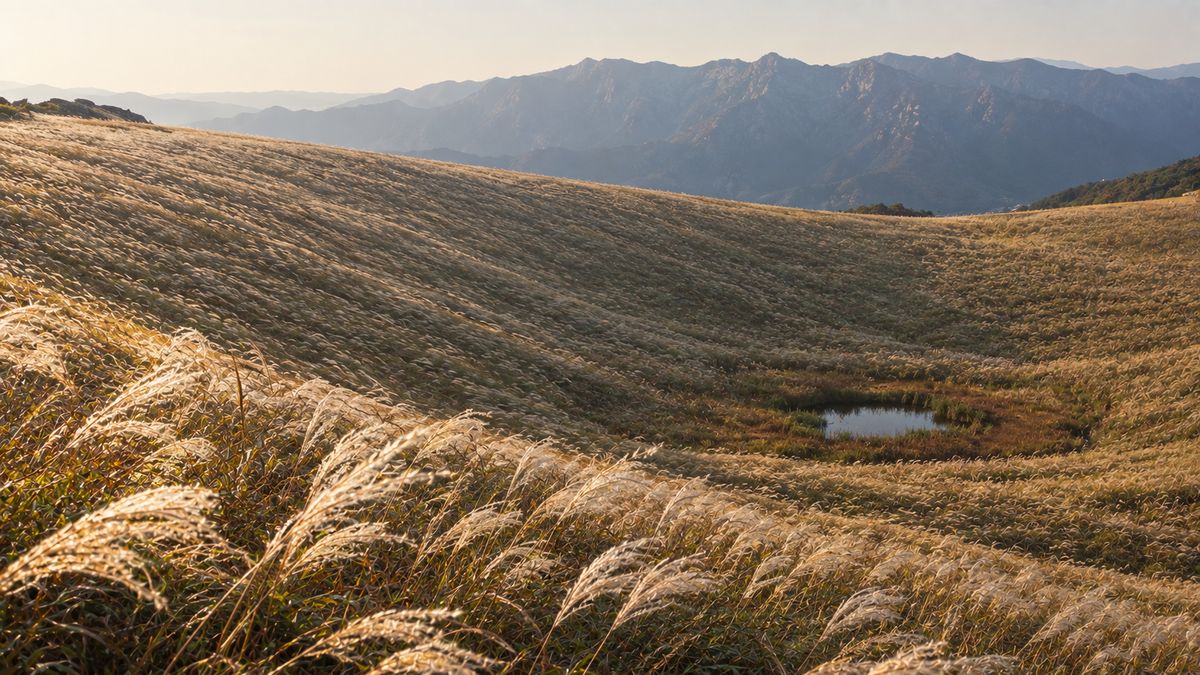 Word 137
Feelings, Heart, and Body as One
Soni Kogen, in the village of Soni, Nara. A field of susuki grass below Kurosoyama and Kameyama. In autumn, climb the wooden steps to Kameyama Pass and a golden sea of seed-heads runs together like a single length of cloth, following the moving air.
Read more →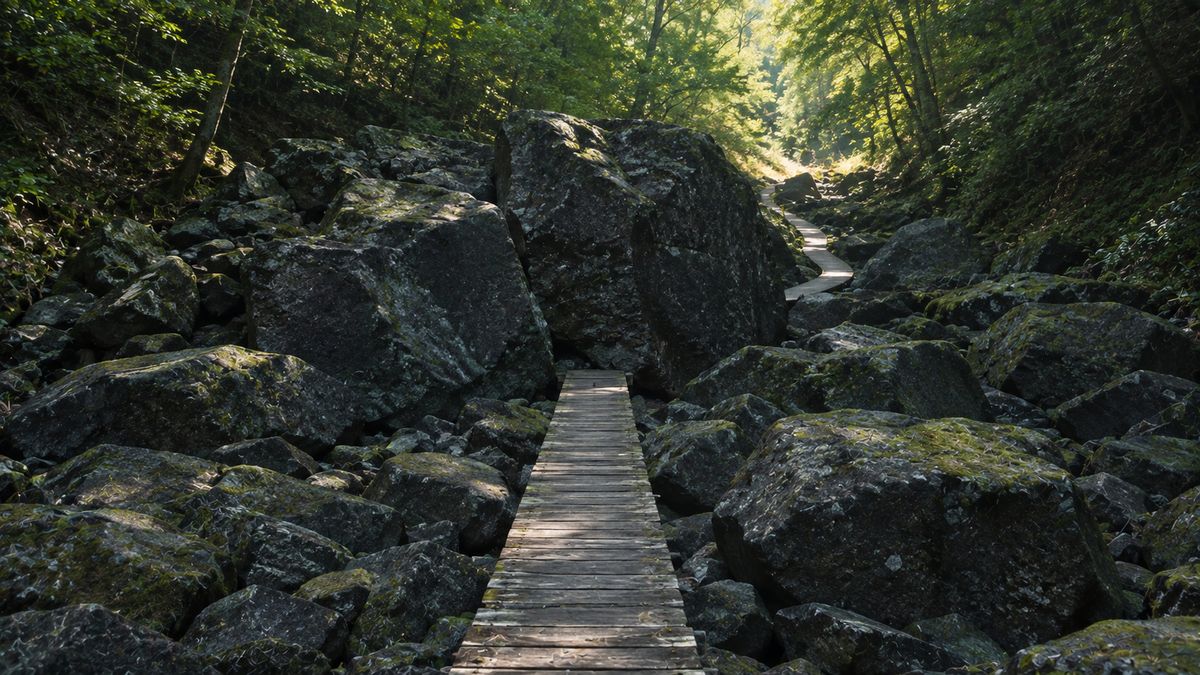 Word 136
Look From a Different Angle
Nabekura-kei, at the foot of Mount Kono in Yamazoe, Nara. A valley floor about 650 metres long and 25 metres wide, filled edge to edge with black boulders. Far below the rock a stream runs; you cannot see the water, but listen and you hear it.
Read more →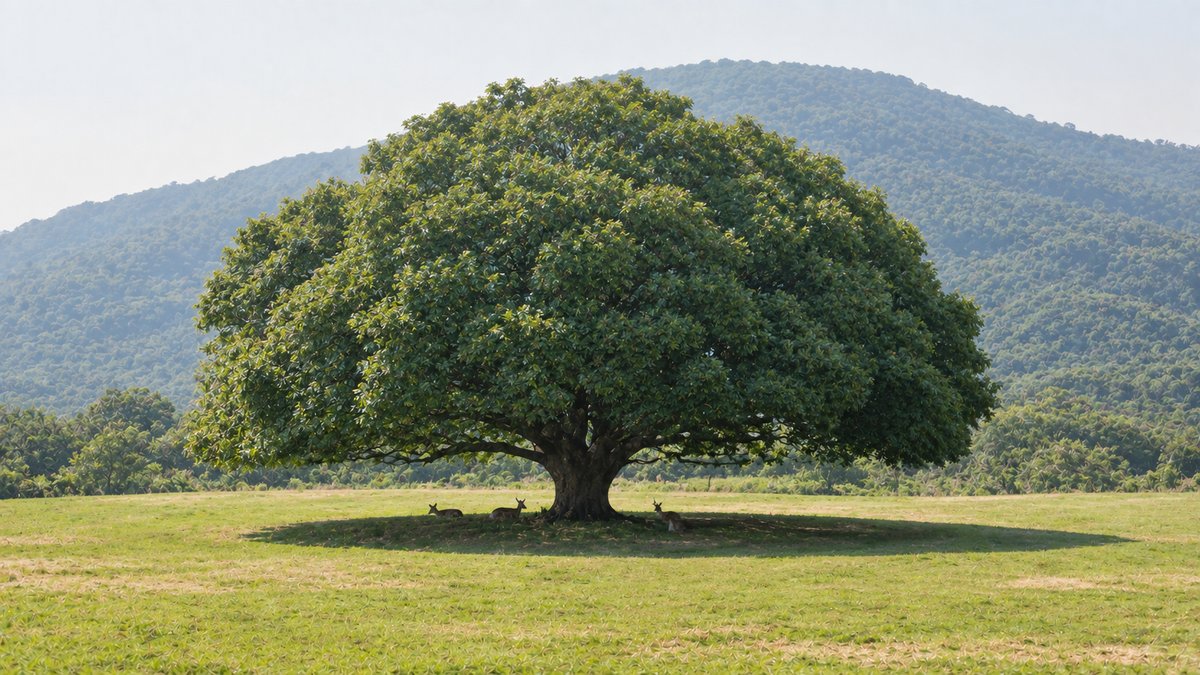 Word 135
Fill Yourself First
The great camphor of Tobihino, Nara, on the approach to Kasuga Taisha. A memorial tree planted in 1908 where Emperor Meiji had taken his seat at a banquet on the field. Three camphors grown together over a century into one tree above twenty metres, casting a wide round shade.
Read more →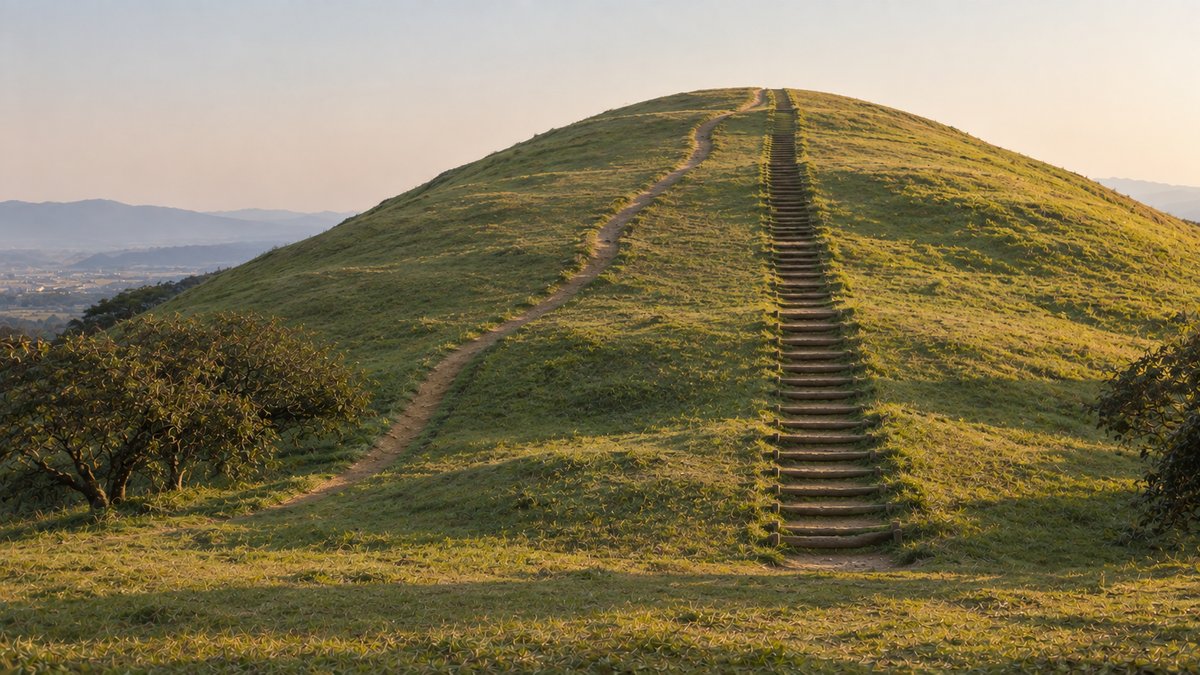 Word 134
Climb the Way That Suits You
Wakakusa-yama, Nara. A grassy hill in three tiers, east of Nara Park. From the two gates at its foot, one path climbs straight up the open grass slope while another curves gently through the woods, and they meet again at the summit, Sanjūme, where an old burial mound lies.
Read more →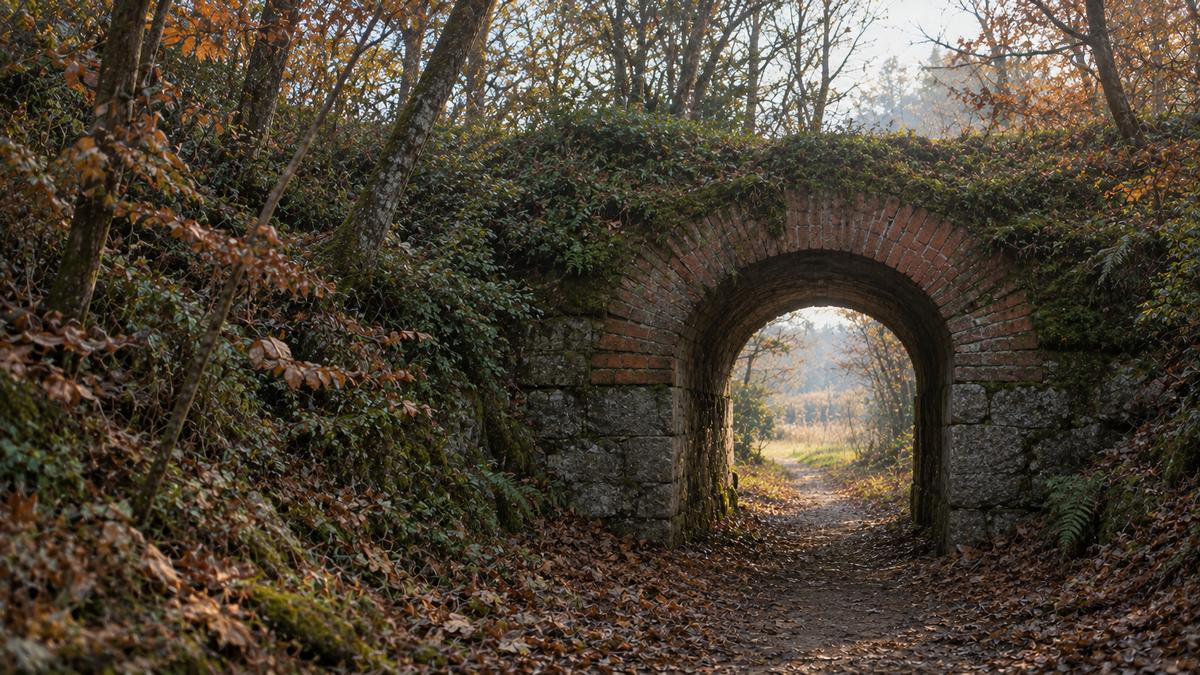 Word 133
One Day, You May Be Grateful for the Loss
The Daibutsu Railway ruins, between Kamo and Nara. A line that ran for just nine years in the Meiji era, then gave way to a flatter route and vanished. Today its abandoned course, past red-brick arches and tree-swallowed embankments, has become a quiet walking path.
Read more →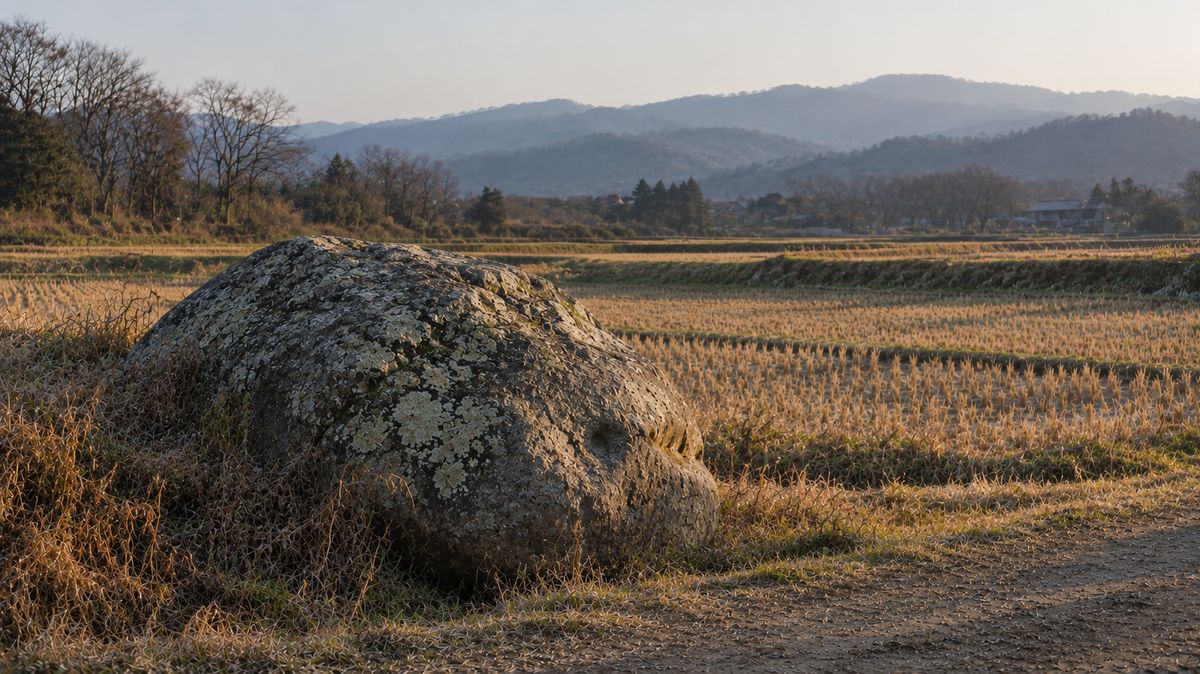 Word 132
You Are Precious Simply by Existing
Kameishi, Asuka. A great turtle-shaped stone, half-sunk in the fields of Asuka. When it was carved, and for what purpose, no one knows even now. Some say it once marked a boundary; others, that it is a trace of a faith older than Buddhism.
Read more →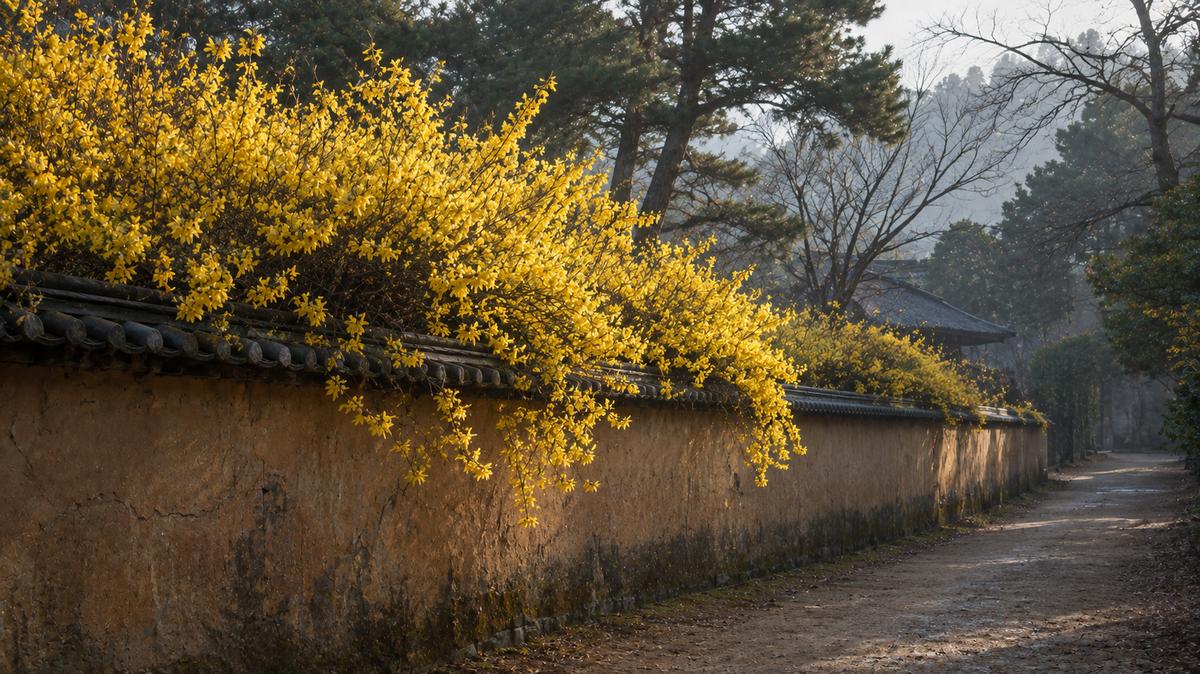 Word 131
How You Live Today Is Your Privilege
Futai-ji, Nara. Emperor Heizei, once at the very summit of the court, built a modest thatched residence here after everything came to an end for him. On that same ground, his descendant Ariwara no Narihira later built a temple named Futai — meaning never turning back.
Read more →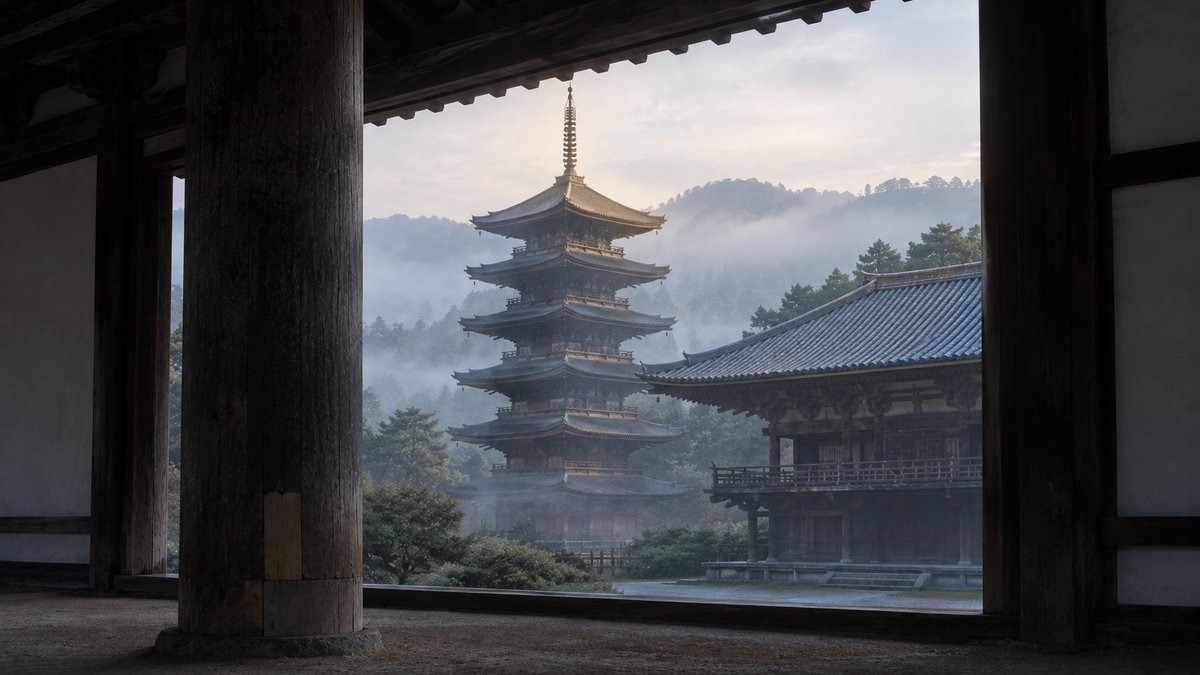 Word 130
Give Thanks for What You Take for Granted
Hōryū-ji, Ikaruga. Raised at the end of the Asuka period, the world's oldest wooden building has stood for more than thirteen hundred years — mountain-grown cypress, Asuka craftsmen, generations of temple carpenters, a fifty-year Shōwa restoration, all of it overlapping so the pagoda still stands.
Read more →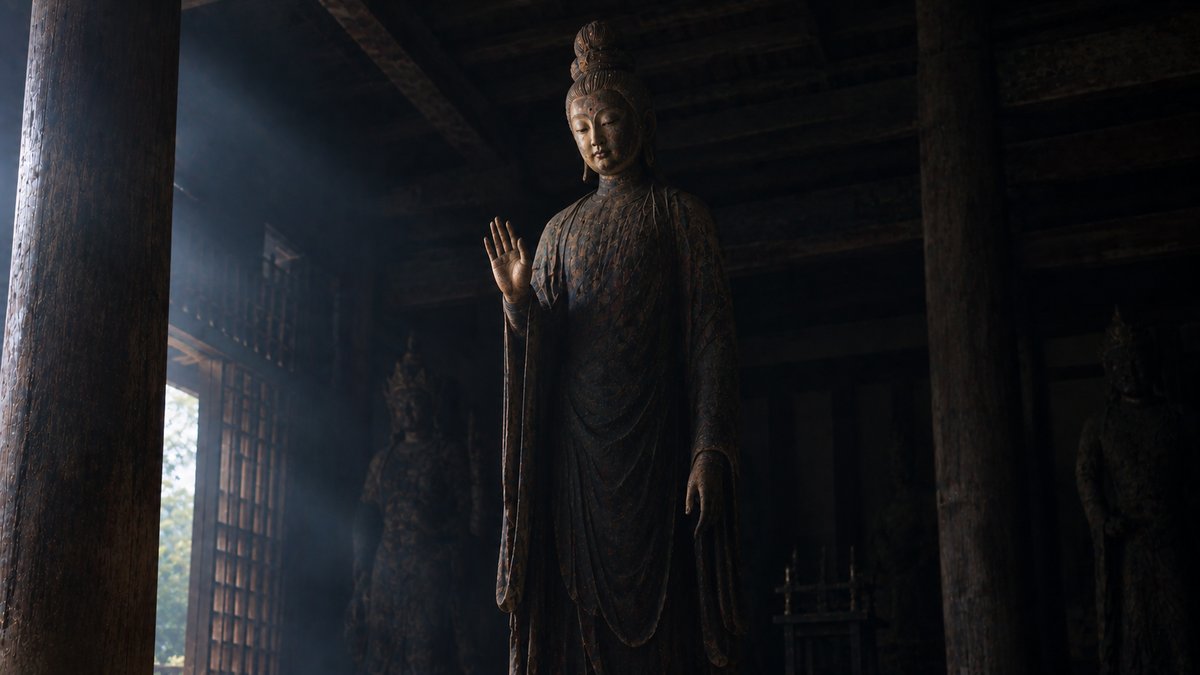 Word 129
This May Be a Sign That Something Better Is Coming
Akishino-dera, Nara. Built as the last official temple of the Nara capital and laid out as a great complex, it lost all but its lecture hall to fire in 1135. Inside the rebuilt hall stands Gigeiten, her Tenpyō-era head joined to a Kamakura body with no visible seam.
Read more →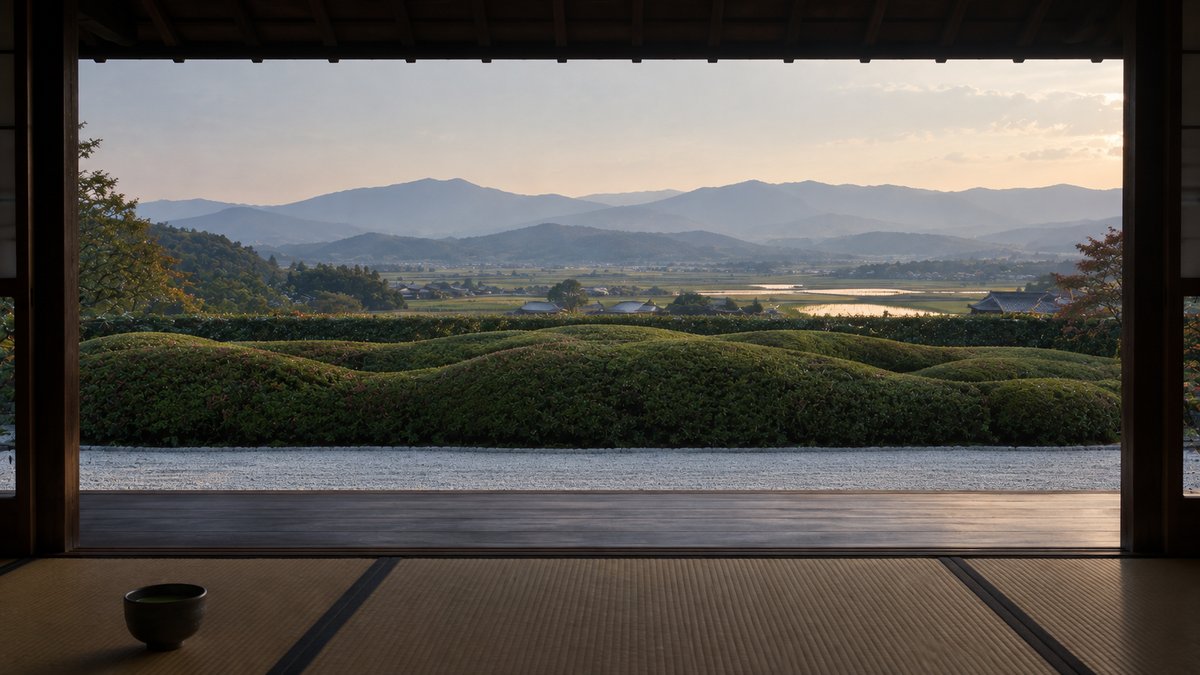 Word 128
The World Is Turning Out As It Is Meant To
Jiko-in, a temple on a low hill in Koizumi, Yamatokoriyama. Built in 1663 by the tea master Katagiri Sekishu in memory of his father. Before the shoin lie white sand and a clipped bank of azaleas; beyond the low hedge the Yamato plain is borrowed into the garden just as it is.
Read more →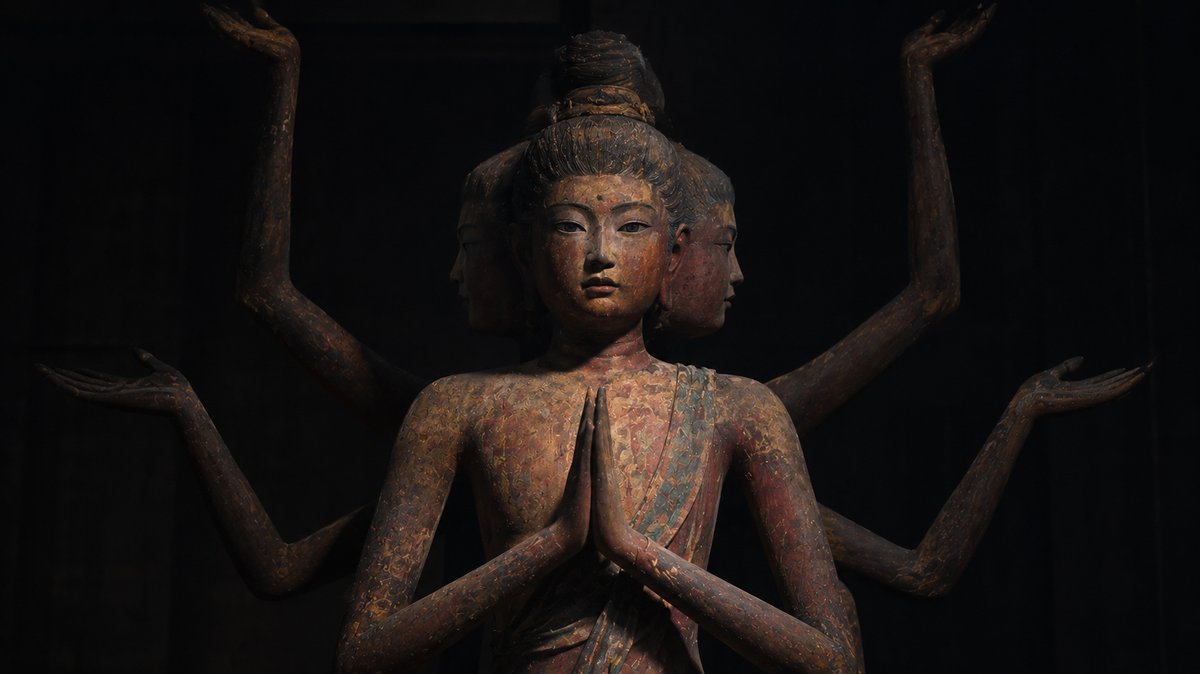 Word 127
"I Am Not a Tragic Heroine"
The Ashura statue in the Kokuhokan at Kofuku-ji, Nara. One of the Eight Legions made in 734 for the hall Empress Komyo built for her late mother. Bearing the name of the realm of endless strife, it stands turned away from that fighting, its front face — brows drawn, lips just parted — caught about to speak.
Read more →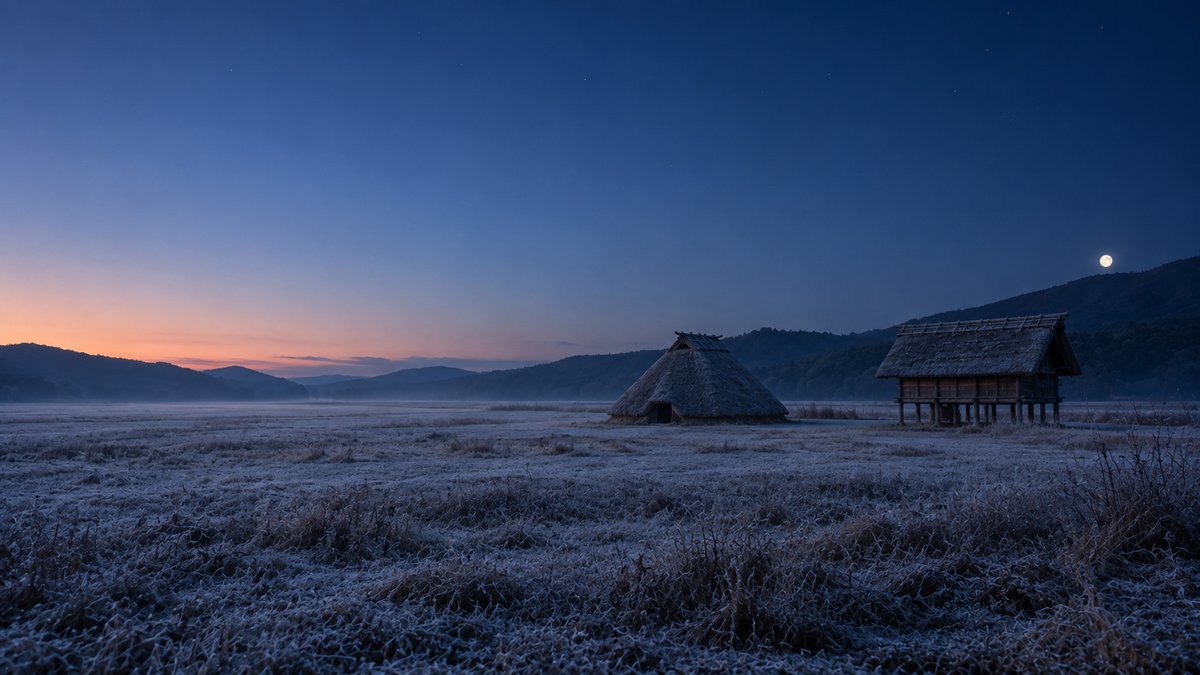 Word 126
Pause, and Look Back at the Road
Akino Hitomaro Park (Ouda, Uda City). The field where, on a winter hunt in 692, the poet Kakinomoto no Hitomaro turned at daybreak to look back at the road he had come. A reconstructed wooden hall and a statue of the poet on horseback stand on the grass.
Read more →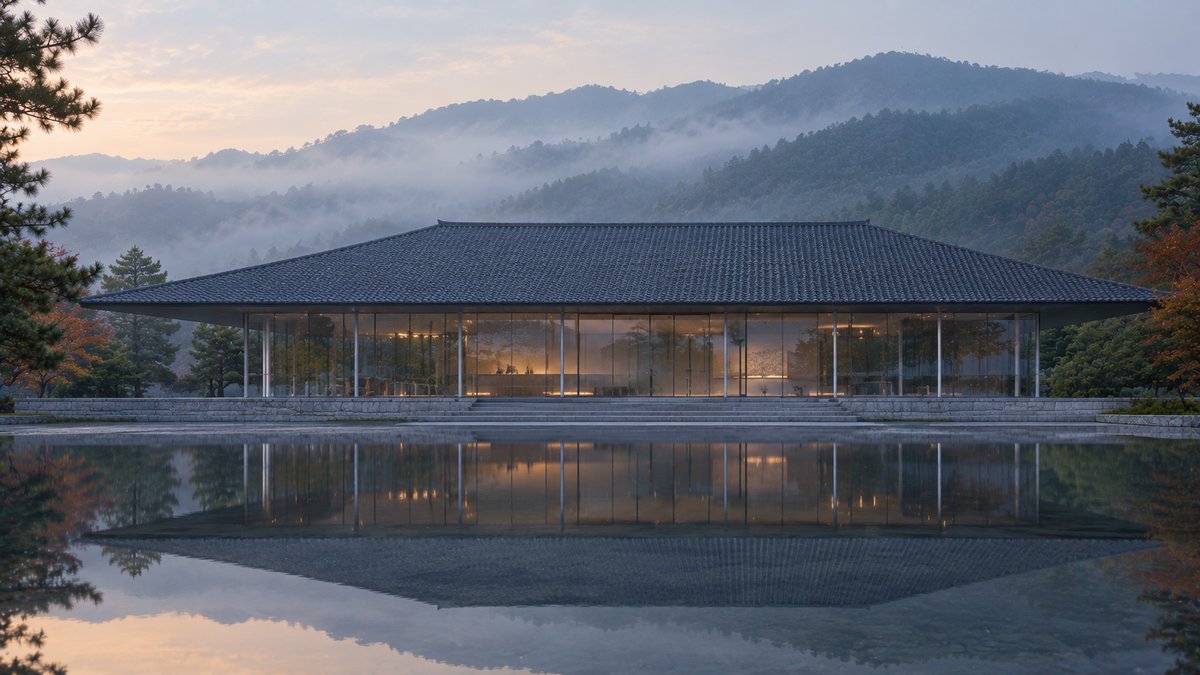 Word 125
Because You Want To
The Irie Taikichi Memorial Museum of Photography, Nara City (Takabatake). After the war, one photographer walked out to the old roads of Yamato before dawn and went on photographing Nara for more than forty years; his eighty thousand images rest in this quiet building beneath a floating tiled roof.
Read more →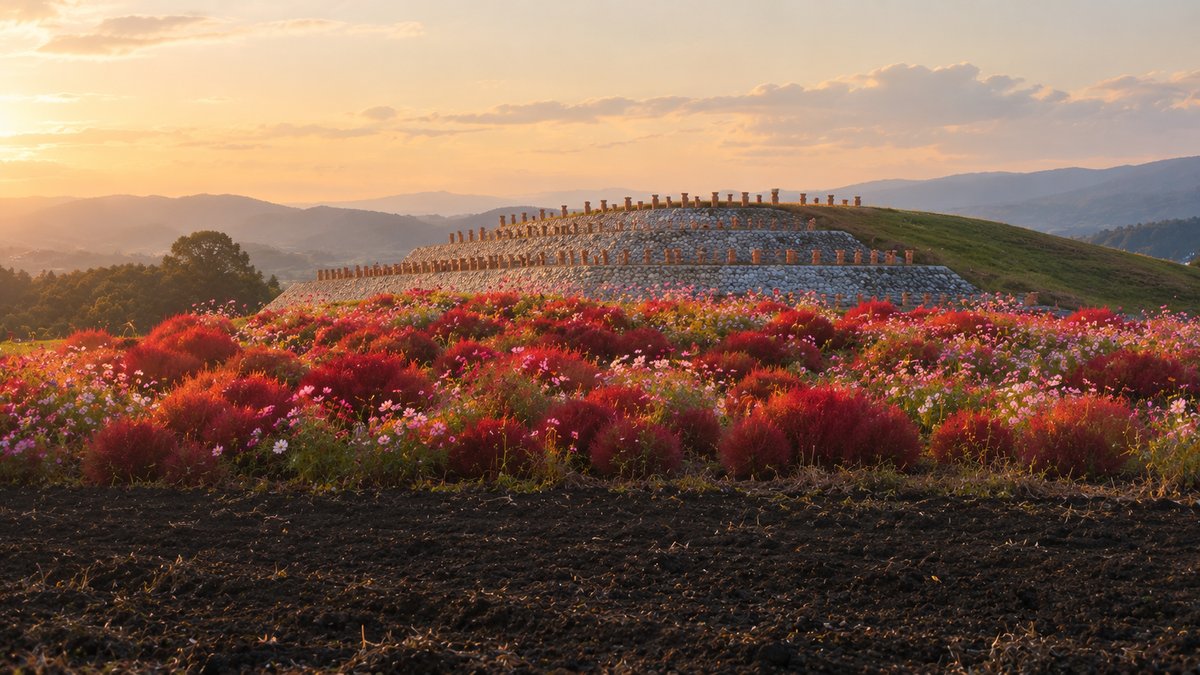 Word 124
What Is Already There
Umami Kyuryo Park (Kawai–Koryo, Nara). A wide park scattered with 4th–6th-century burial mounds, where from winter wintersweet to autumn kochia, when one flower bed has finished, another is in full bloom somewhere.
Read more →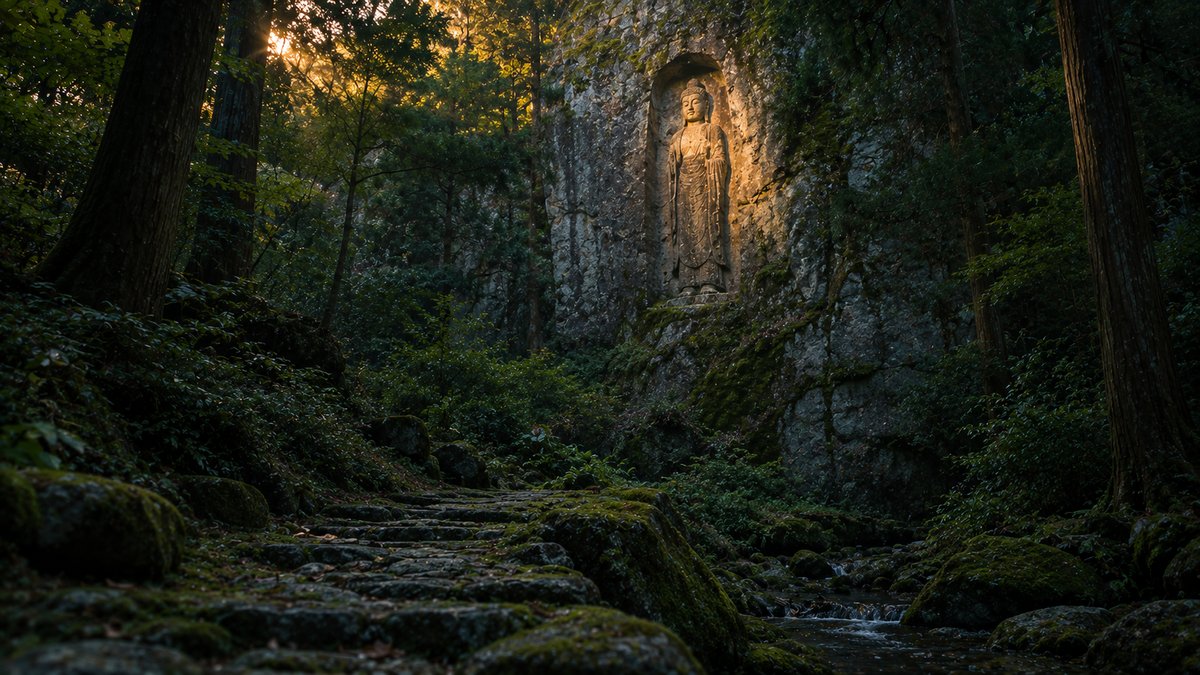 Word 123
Quietly Reaching Out
The Sunset Kannon on the Takisaka Path of the Yagyu Kaido (Nara City). A Kamakura-period cliff carving that neither calls anyone back nor follows after them, simply facing the valley from the rock.
Read more →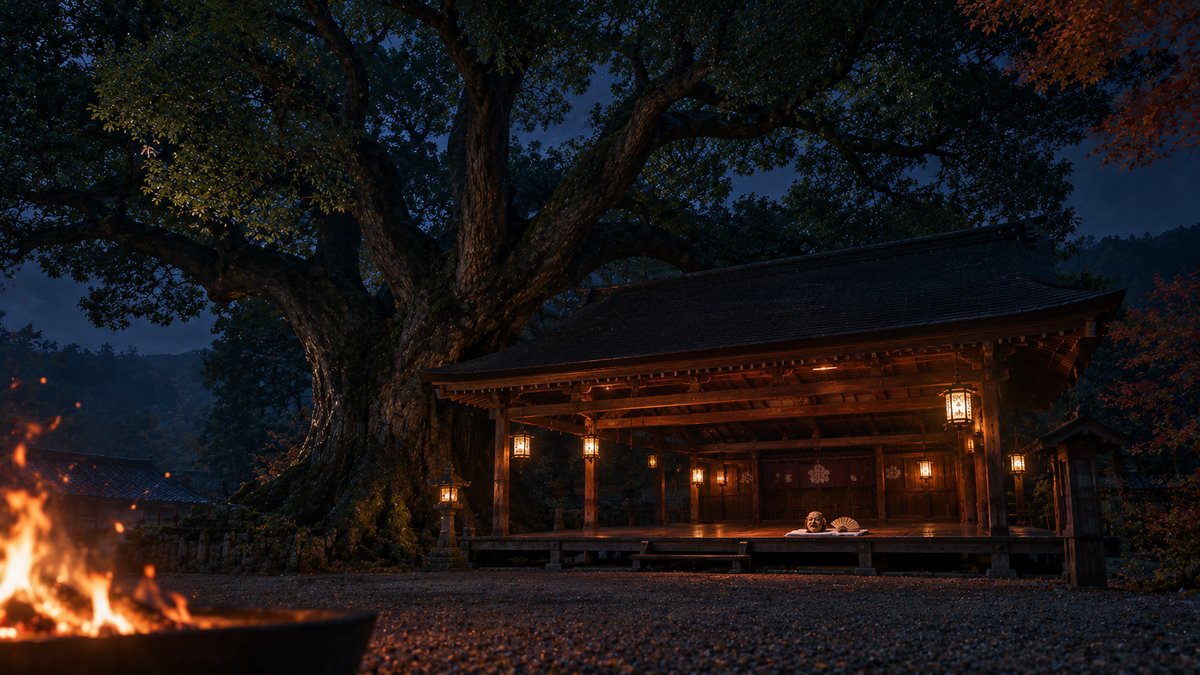 Word 122
Technique Comes Later
Naratsuhiko Shrine (Nara City). The scene of young dancers engraving the sacred Okina-mai's fixed forms into their bodies for years before ever taking the stage.
Read more →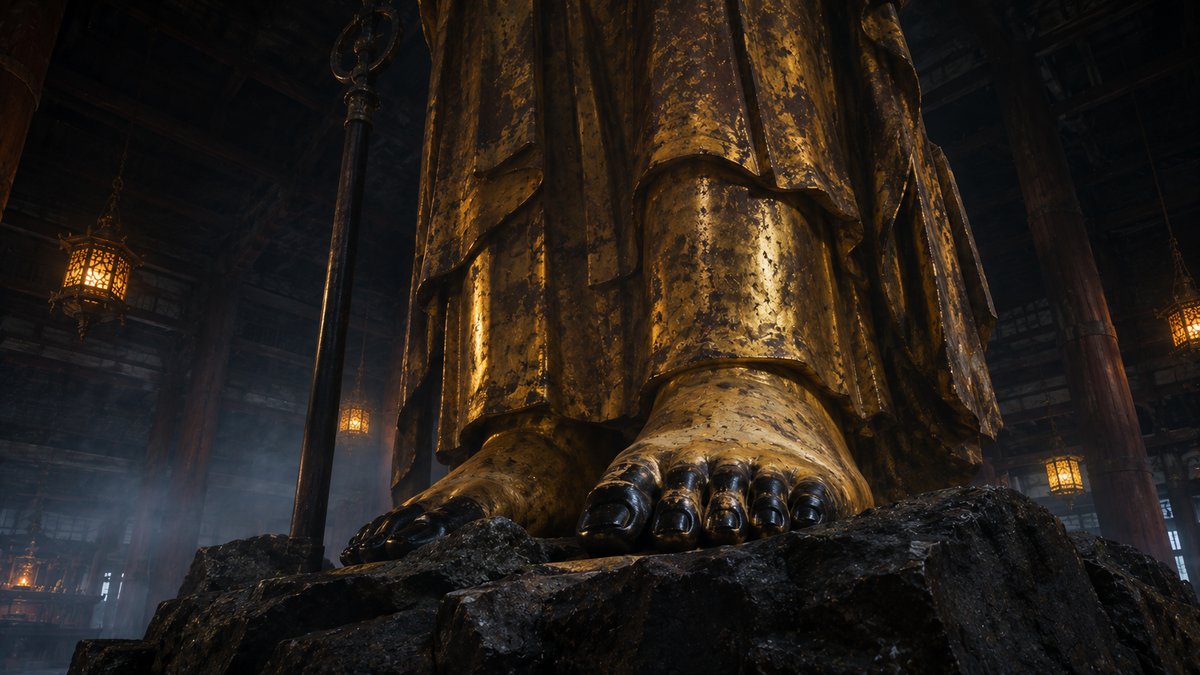 Word 121
Put Yourself in Someone's Shoes
Hasedera Temple (Sakurai City). The scene of countless hands, over hundreds of years, touching and darkening the Kannon's feet.
Read more →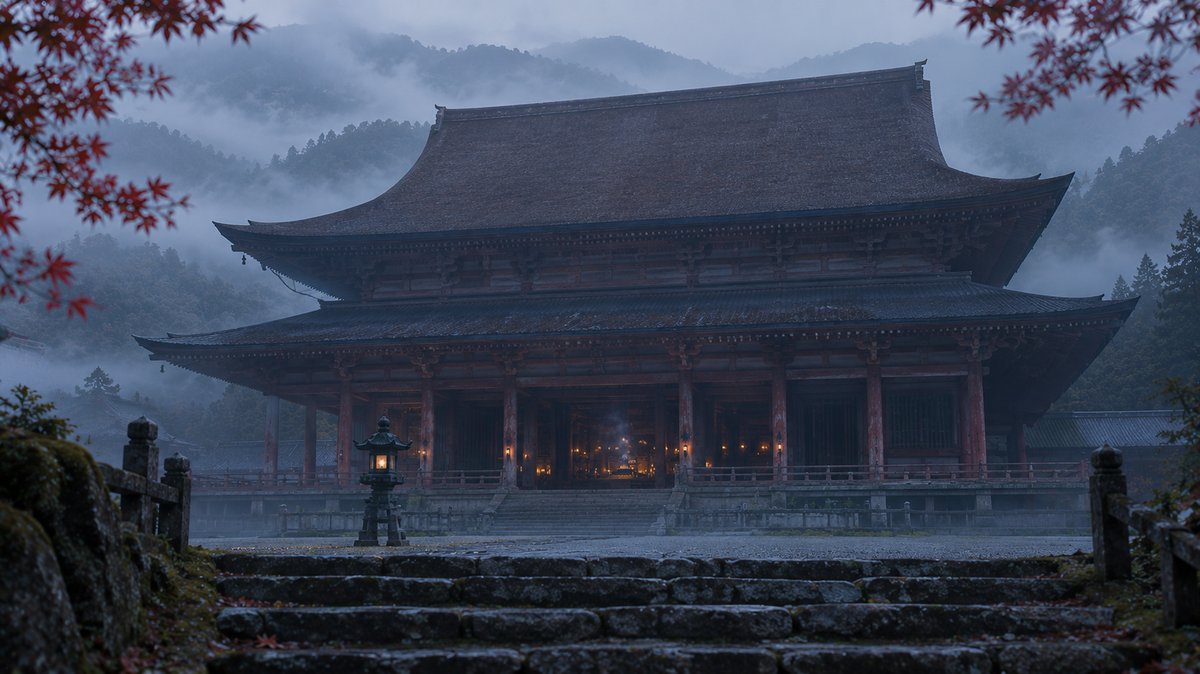 Word 120
Life Is a Journey to Find Your Own Answer
Kinpusen-ji Temple, Zaodo Hall (Yoshino). The scene of an ascetic who walked the mountains for years before arriving at his own answer.
Read more →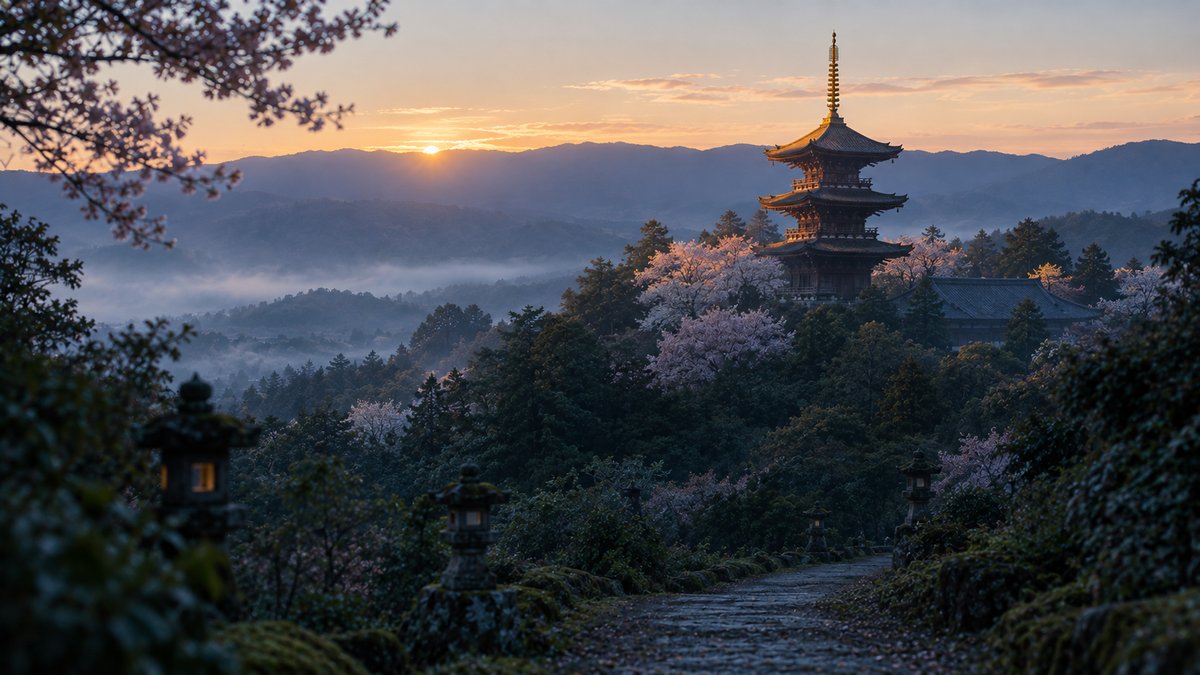 Word 119
Your Whole Life Has Been One Grand Prelude
Tsubosaka-dera Temple (Takatori). Three years of prayer, and the moment Kannon restored Sawaichi's sight and reunited him with Osato.
Read more →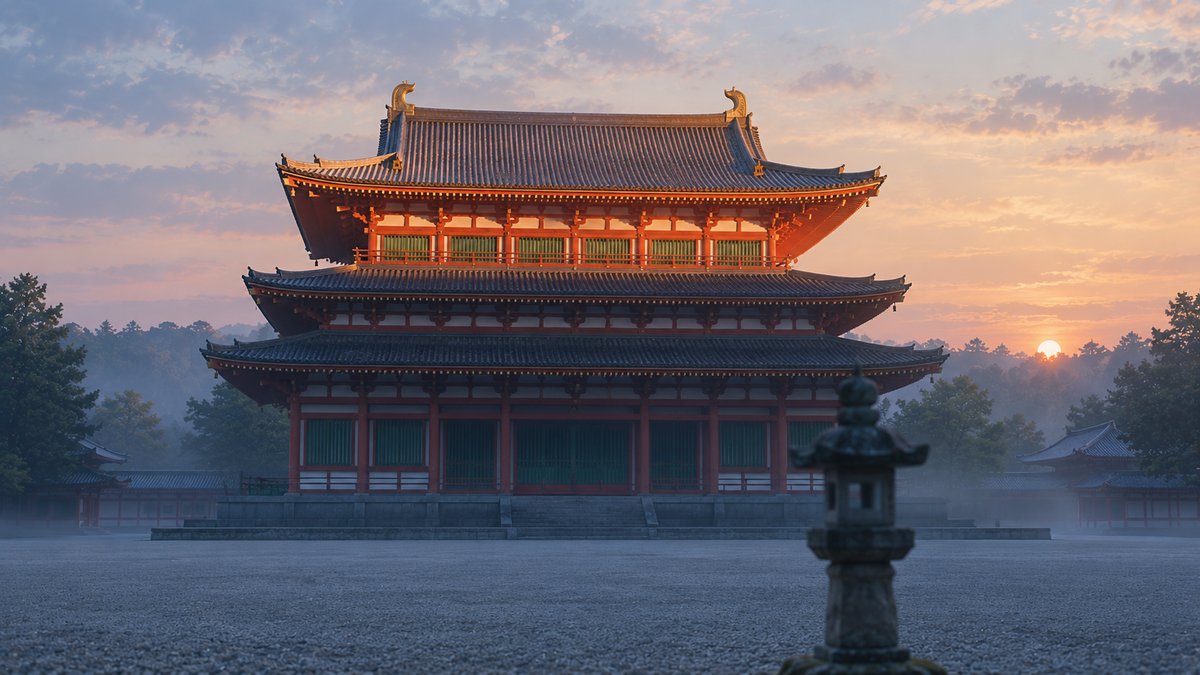 Word 118
Don't Lose Your Heart, Even in the Busiest of Days
Yakushi-ji Temple (Nishinokyo), restored through a nationwide sutra-copying campaign after fire destroyed its Main Hall, one thousand yen and one quiet moment at a time.
Read more →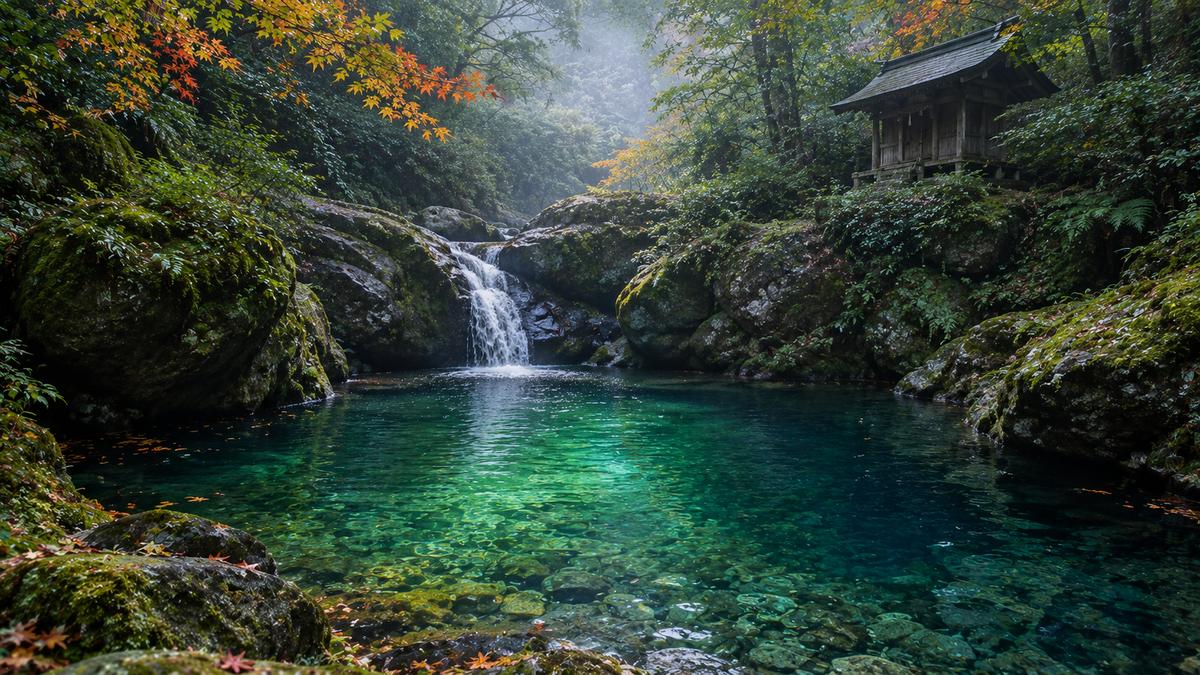 Word 117
Live Today as if It Has Already Come True
Ryuchin Shrine (Uda City), an emerald pool said to be home to a dragon deity. In the Edo period, people searched for this sacred place to pray for rain, trusting rain not yet fallen.
Read more →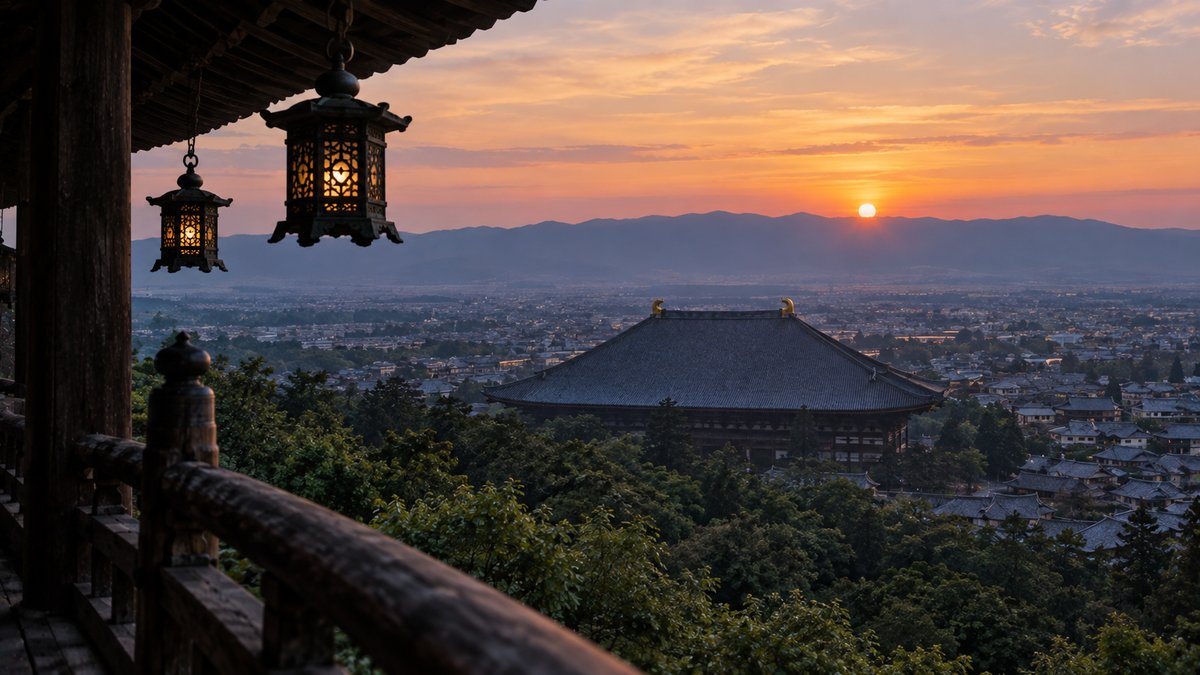 Word 116
Carry That Confidence, and Move Forward
Nigatsu-do, Todai-ji, its stage, reached by a steep stone stairway, opens to a sweeping view of the Great Buddha Hall's roof and the city of Nara below.
Read more →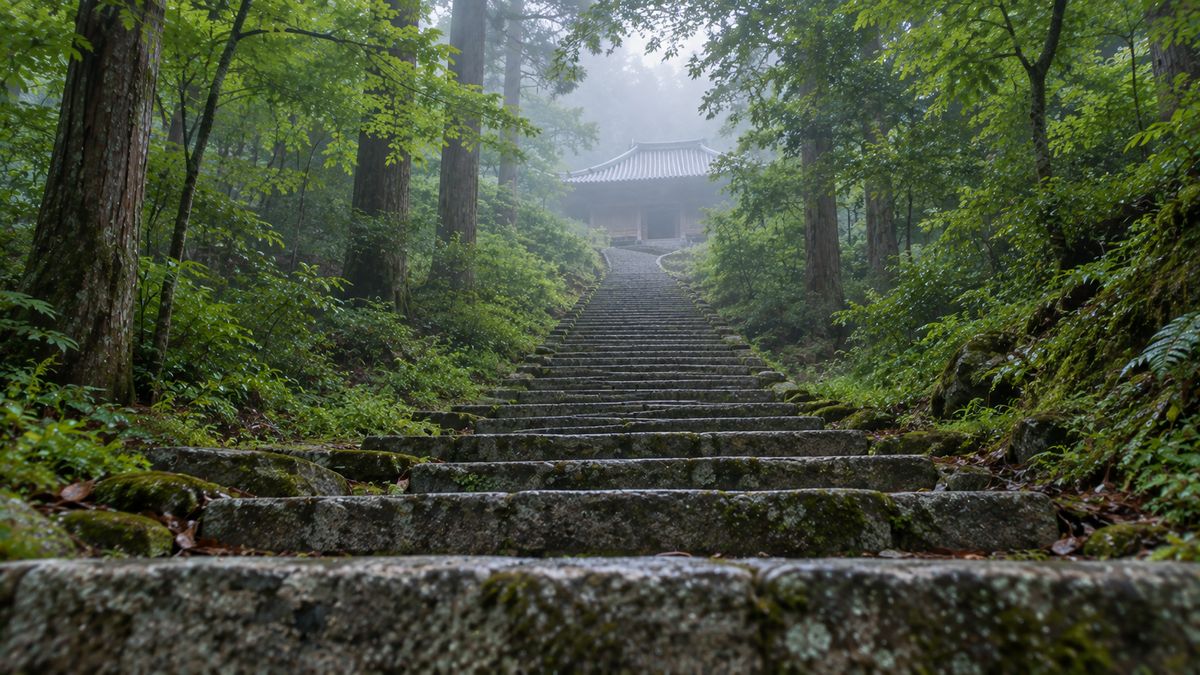 Word 115
Small "0→1"s, Piled Up Each Day
Matsuo-dera (Yamatokoriyama), Japan's oldest site for warding off misfortune, built in 718 by Prince Toneri, who prayed for the completion of the Nihon Shoki.
Read more →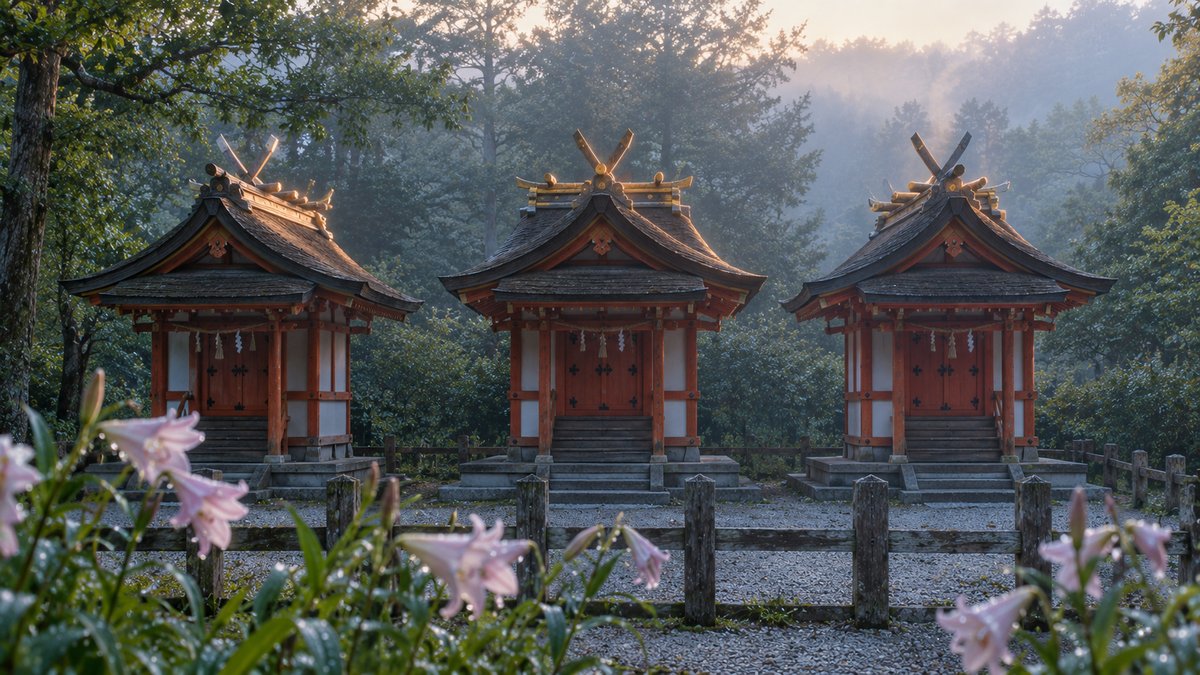 Word 114
Every Day Is What You Make It
Isagawa Shrine, Nara's oldest shrine, where a mother and father god watch over their child enshrined between them.
Read more →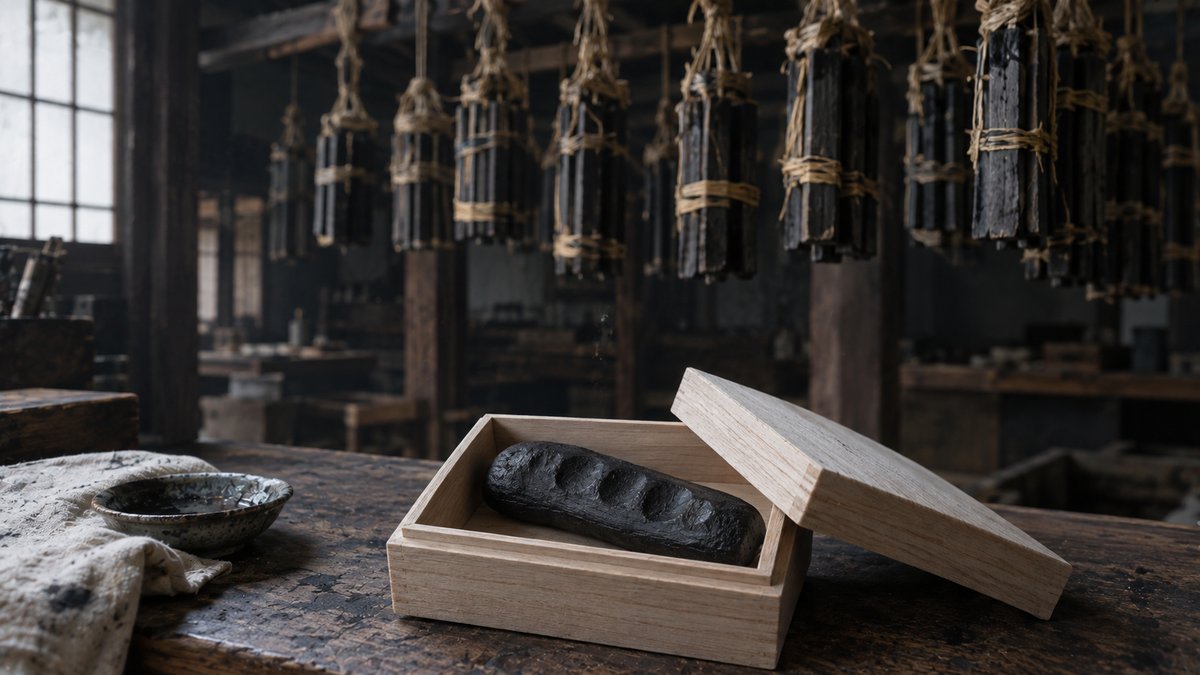 Word 113
The Unfamiliar Broadens Your World
Kinkoen (Naramachi), The "nigirizumi" experience of shaping raw ink by hand, a doorway into a craft far harder than it looks.
Read more →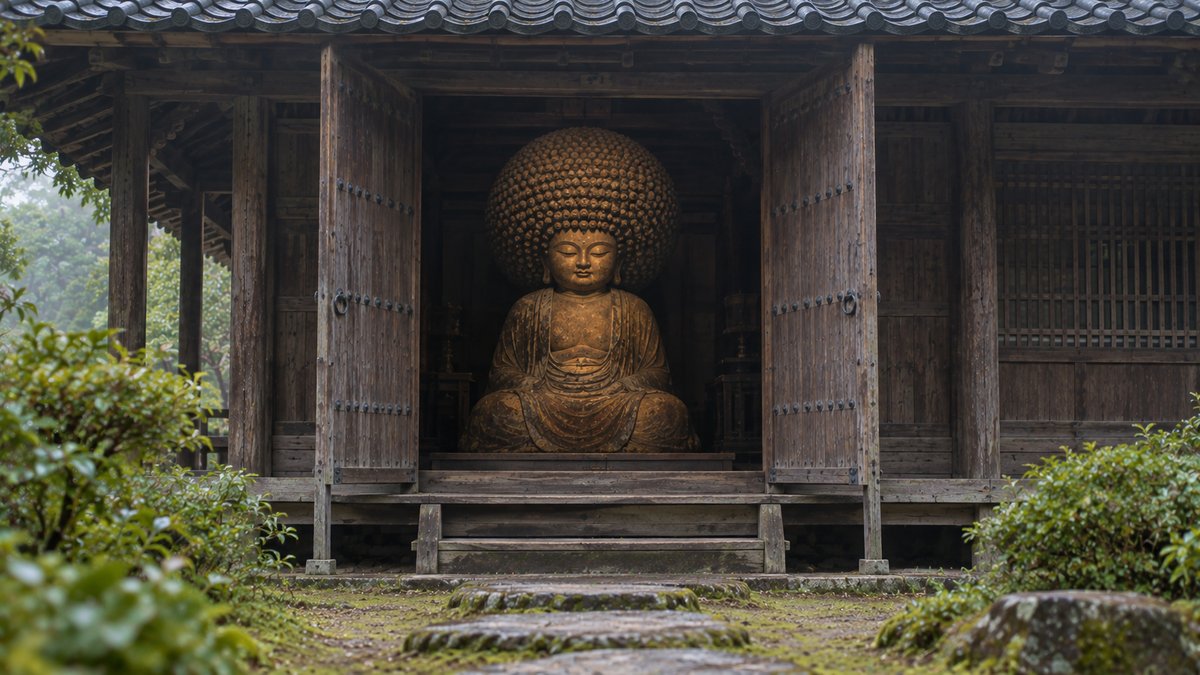 Word 112
Start With Something Small
Gokuin Temple, Its Amida Buddha's afro-like curled hair marks the eons the Bodhisattva Dharmakara spent in contemplation before becoming a Buddha.
Read more →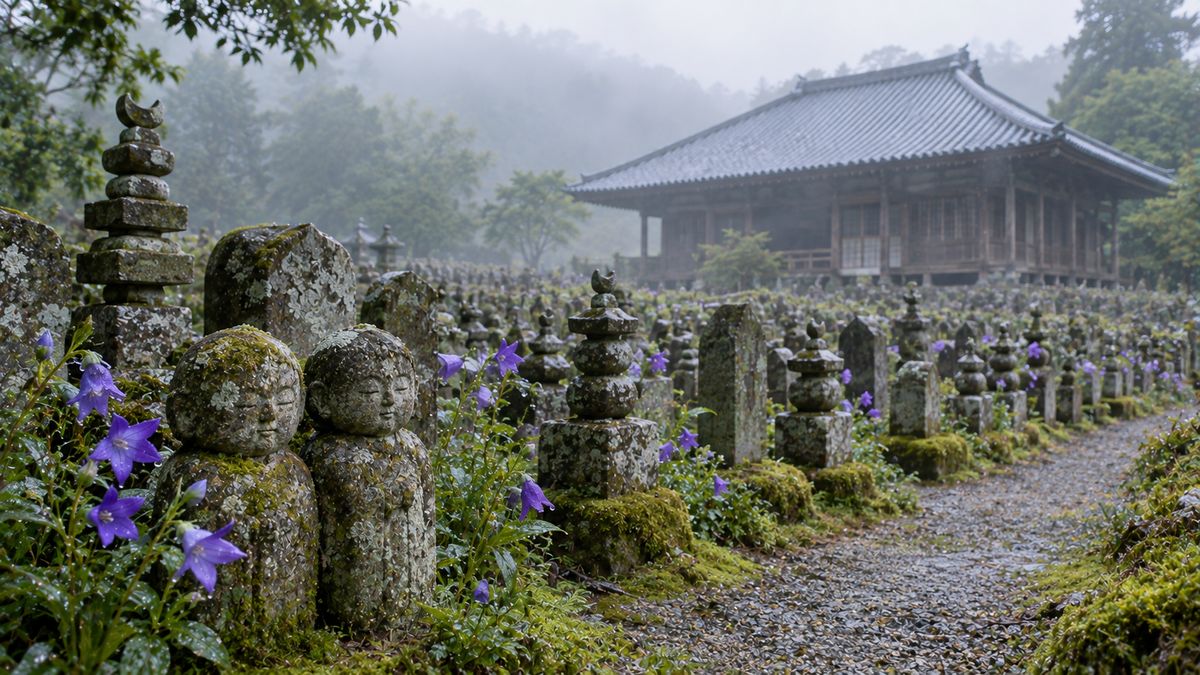 Word 111
Every Day, a Once-in-a-Lifetime Encounter
Gokuraku-bo Hall (Gango-ji), Where the monk Chiko is said to have had a painter capture the vision of his lost friend Raiko in the Pure Land, the origin of the Chiko Mandala.
Read more →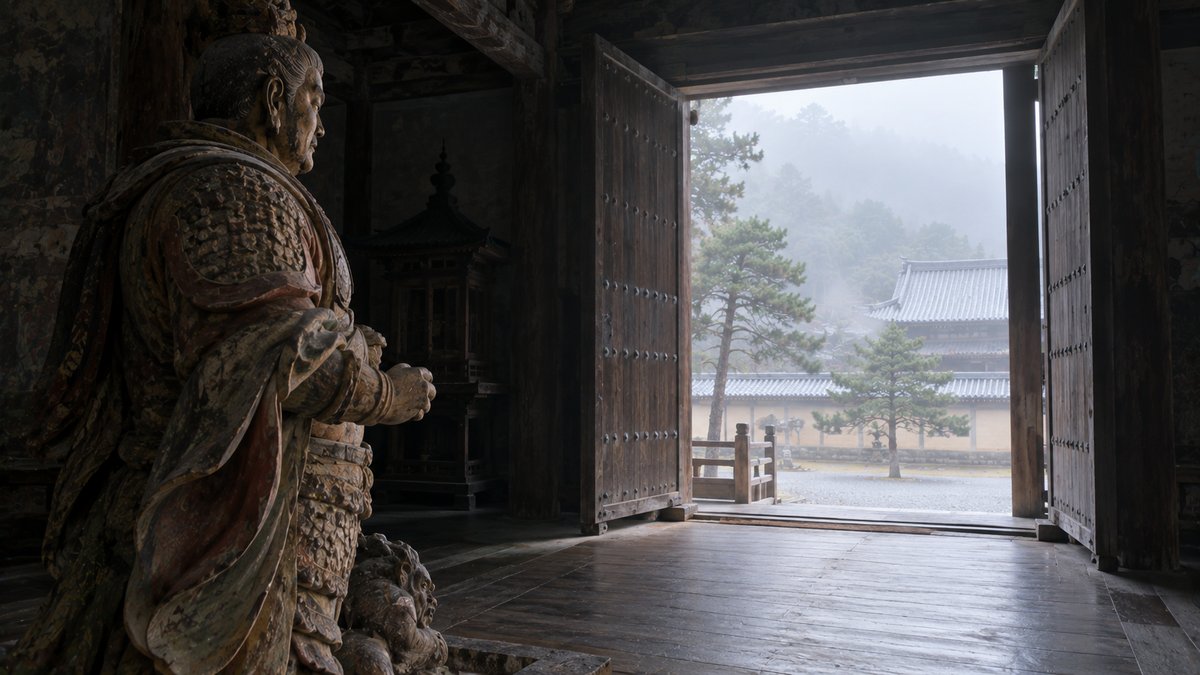 Word 110
Where Knowing Begins
Kaidan-do (Todai-ji), Where the monk Ganjin once conferred the Buddhist precepts. The Four Heavenly Kings still stand watch, their gaze fixed on something unseen.
Read more →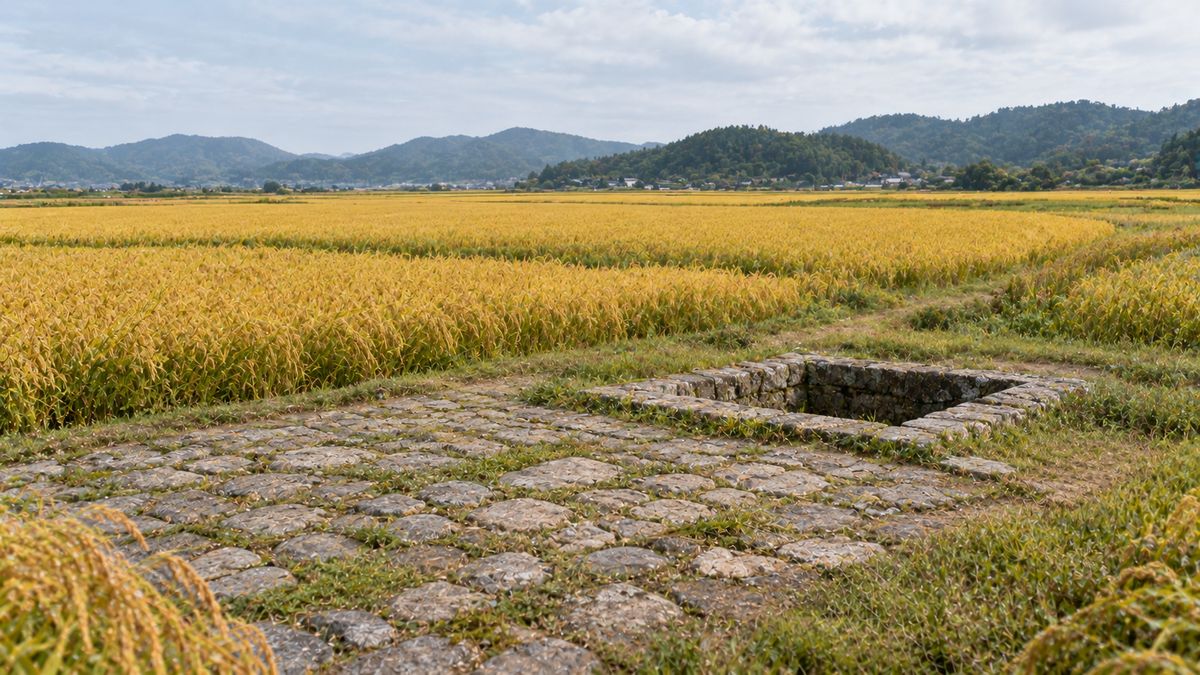 Word 109
The Strength Not to Look Down
Asuka Palace Site (Asuka Village), Where the once-mighty Soga no Iruka was struck down in the Isshi Incident of 645, his power gone like a receding tide. Today only foundation stones remain among the rice fields.
Read more →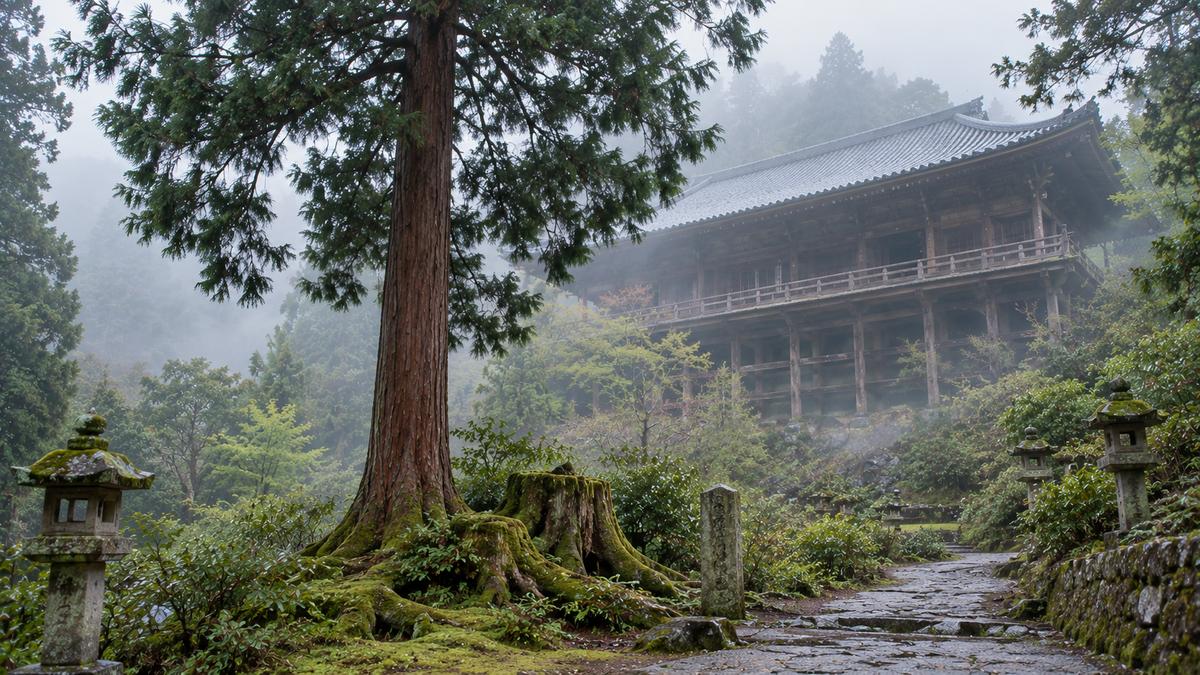 Word 108
The Growth You Don't Notice
Roben Sugi (Nigatsu-do, Todai-ji), A cedar that took the place of one lost to a typhoon, slowly thickening its trunk over the decades. Growth unnoticed by those who pass it daily.
Read more →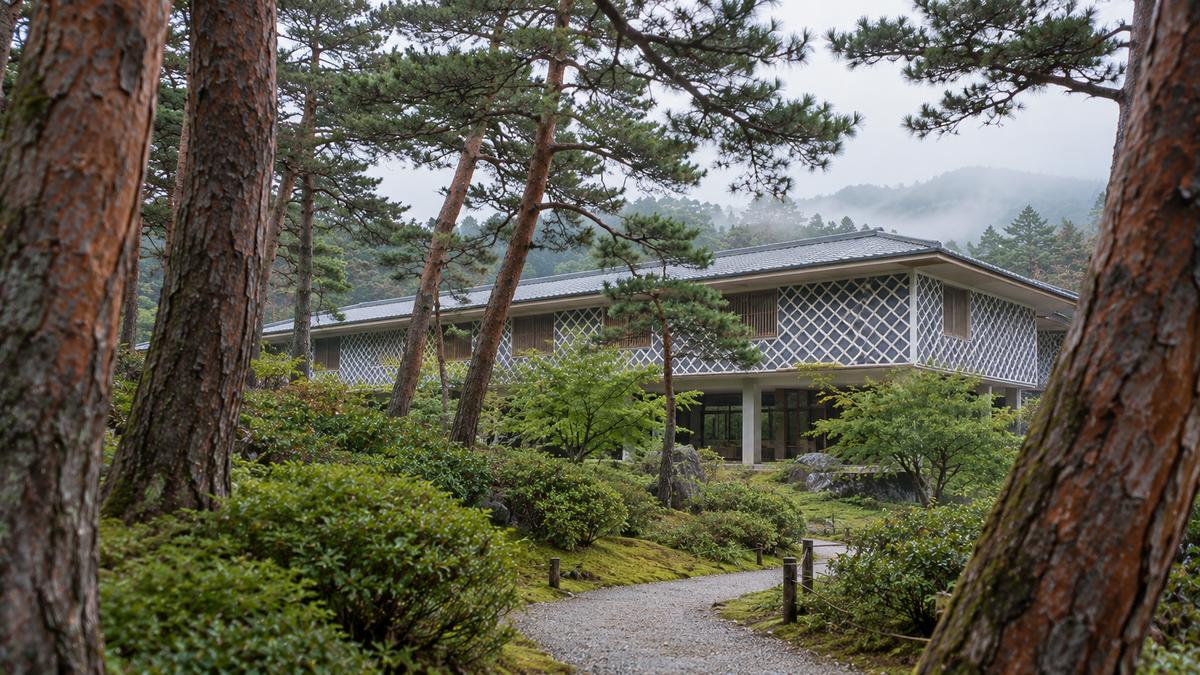 Word 107
Everyone Is the Creator of Their Own Life
Yamato Bunkakan (Gakuenmae), A museum born from nothing, out of one man's wish. The works inside were each created from nothing too.
Read more →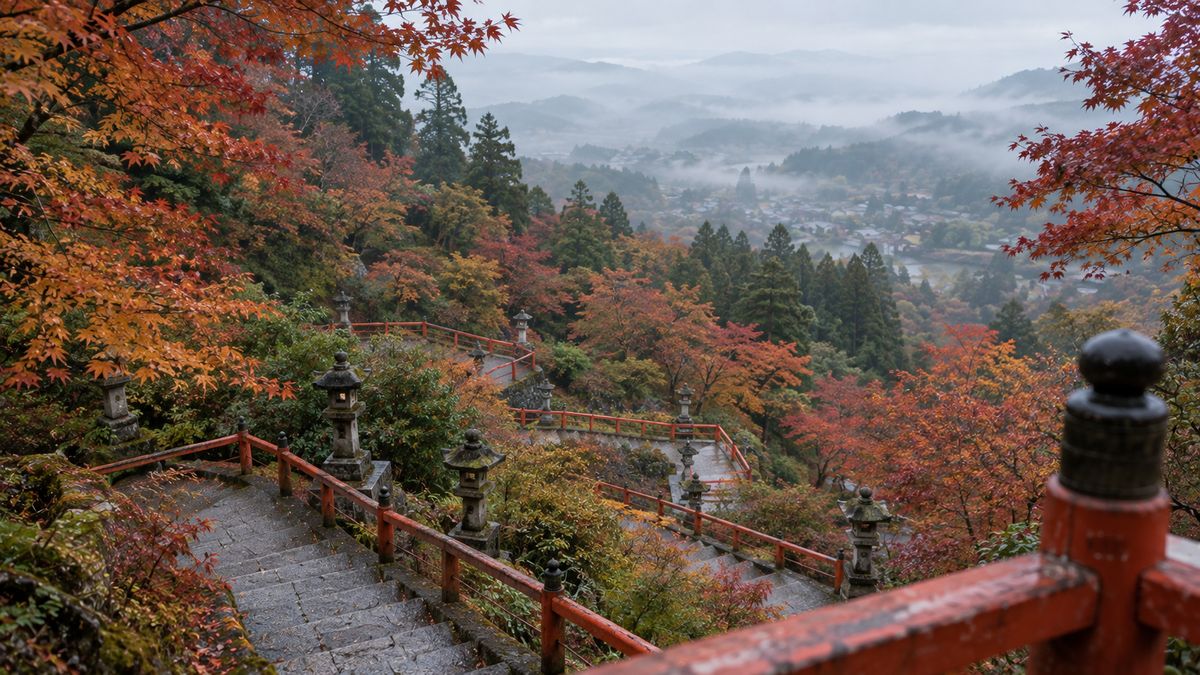 Word 106
The Long Way Was the Shortest Way
Mount Shigi (Heguri), Countless switchbacks of stone steps that seem to wind the long way round, yet are the only path to the top.
Read more →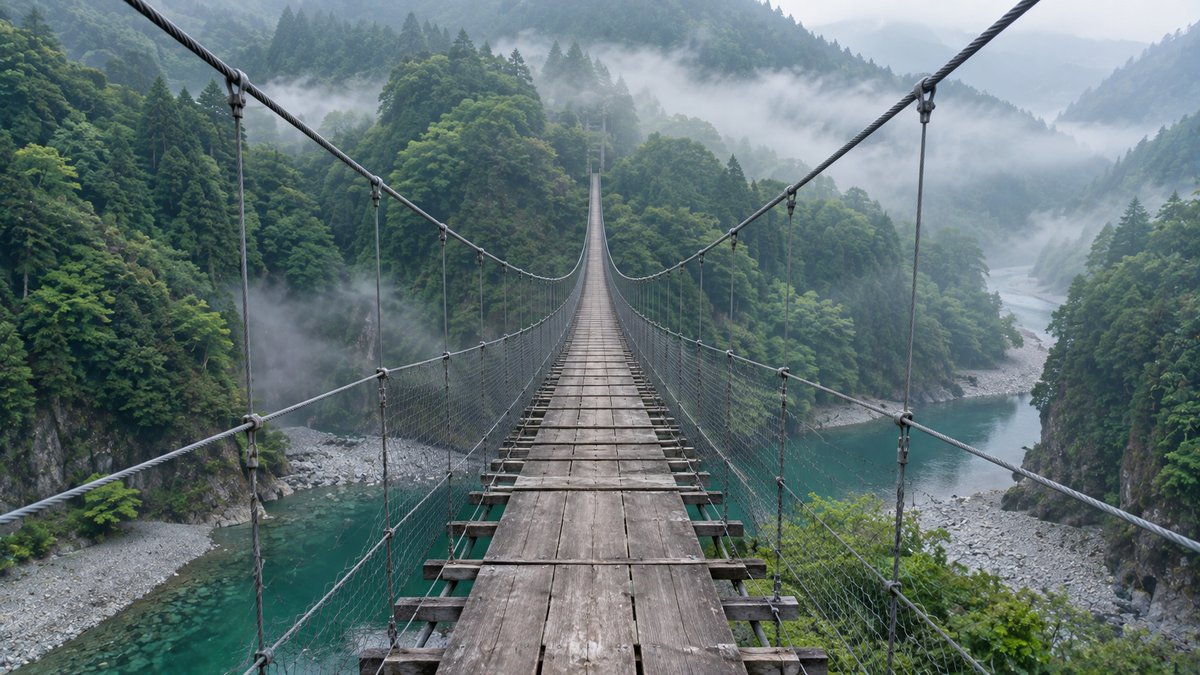 Word 105
Balance, One Step at a Time
Tanise Suspension Bridge (Totsukawa), With every step, the bridge sways faintly, and each traveler learns not to lean too far to either side.
Read more →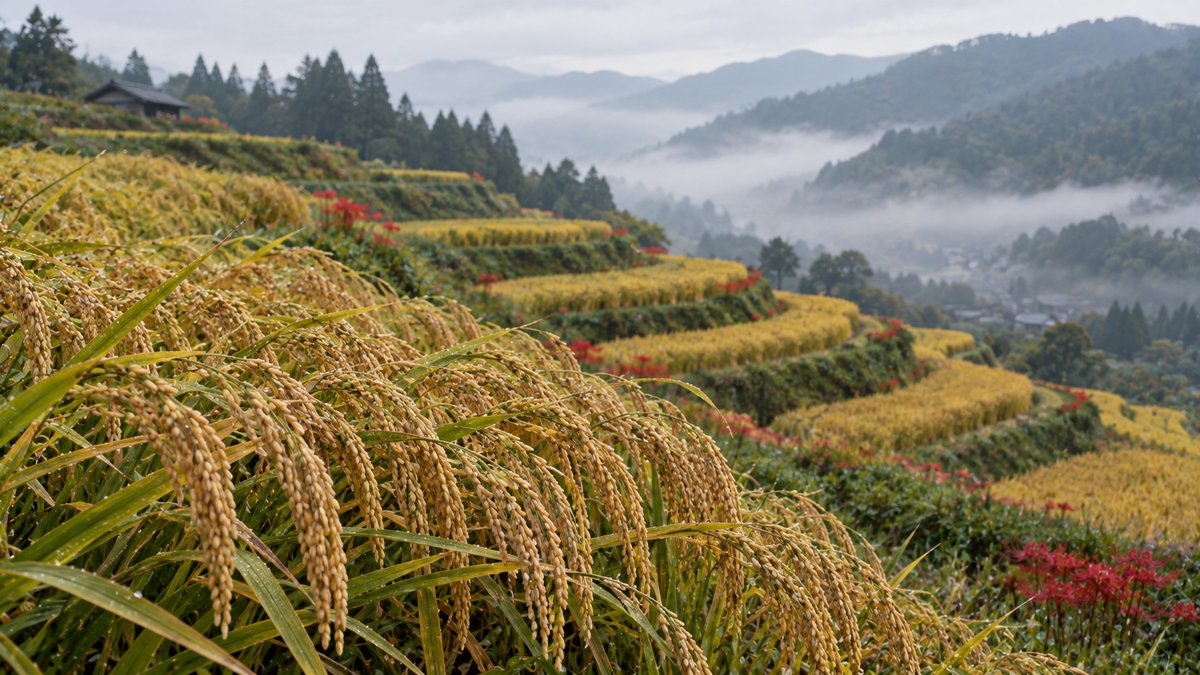 Word 104
Like a Rice Ear Bowing Its Head
Inabuchi Rice Terraces (Asuka), As the grain grows heavy, the once-proud rice ears bow their heads, one by one.
Read more →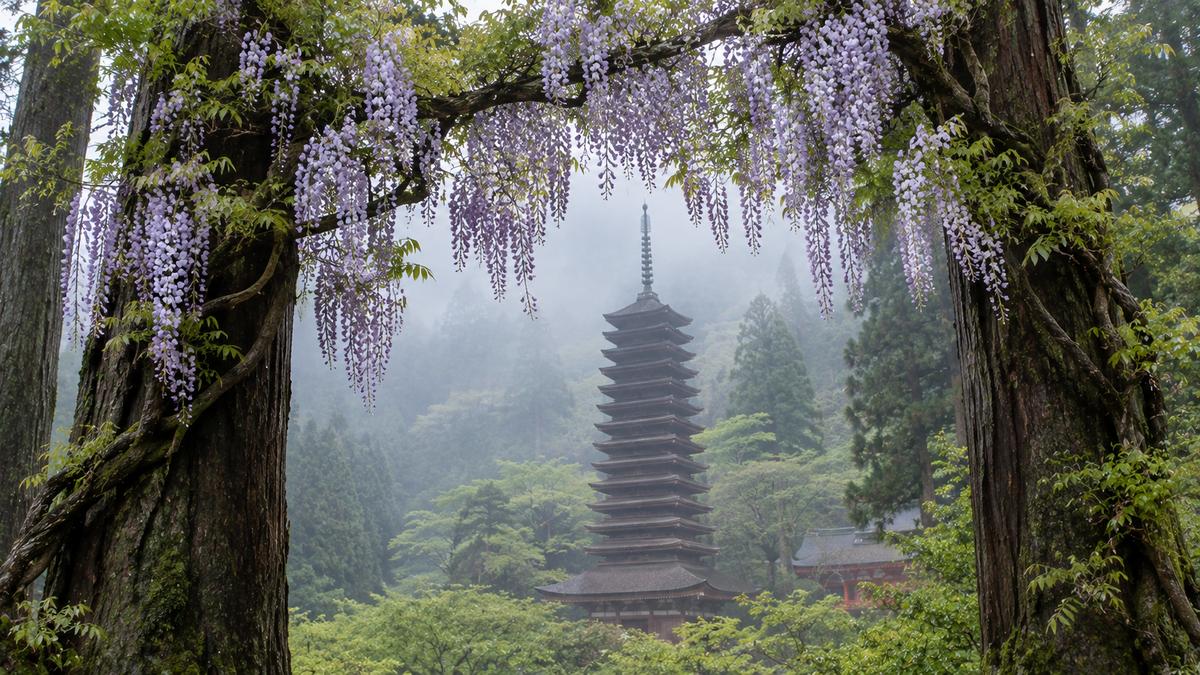 Word 103
Give Thanks for Every Connection
Tanzan Jinja (Sakurai), A single shoe, picked up at a kemari game, led to an encounter that eventually shaped the Taika Reforms.
Read more →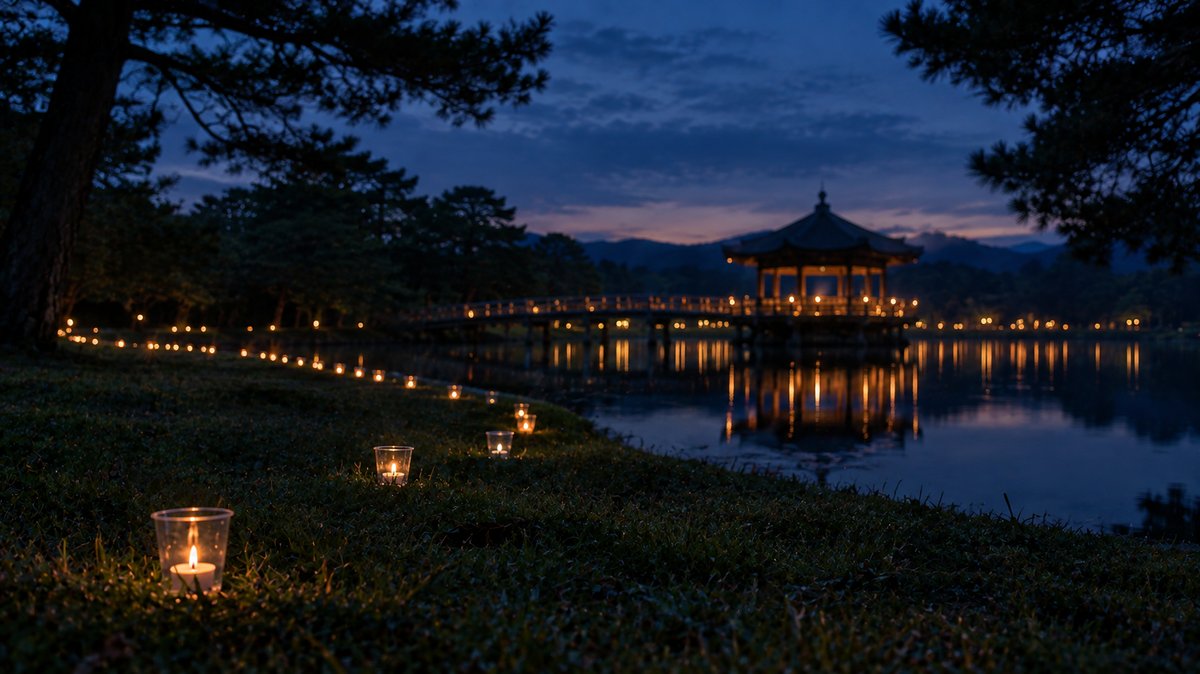 Word 102
Birds of a Feather Flock Together
Nara Toka-e (Nara), One small candle flame seems to draw the next flame close, until all of Nara Park becomes a warm sea of glow.
Read more →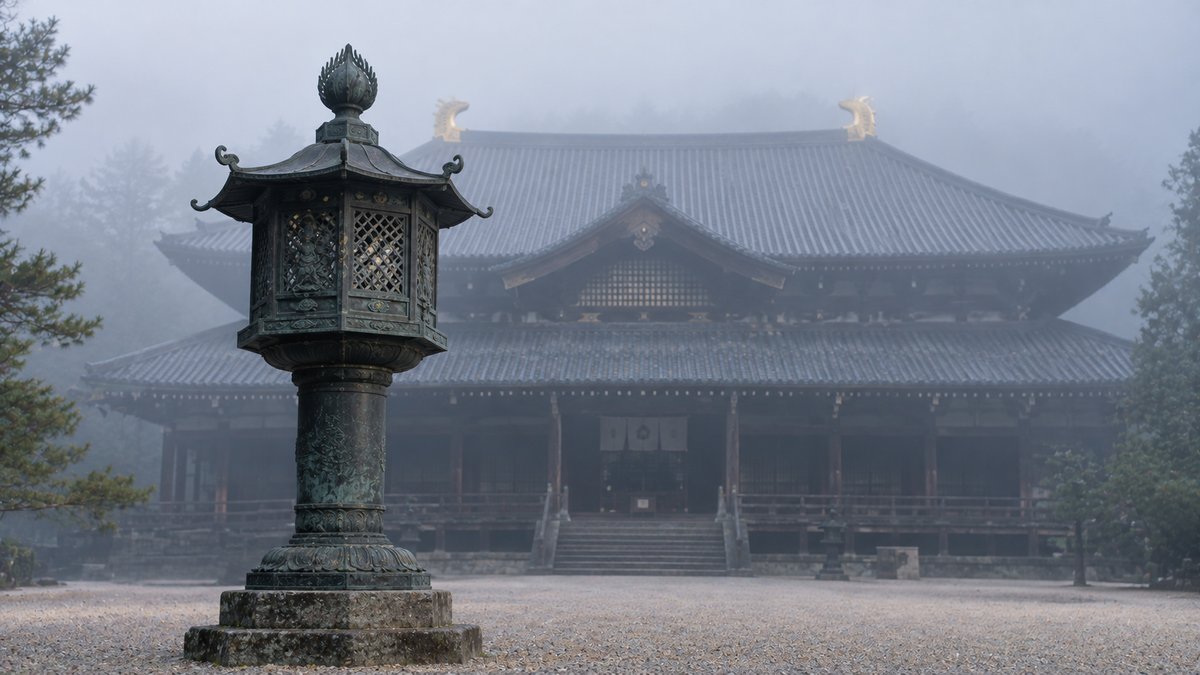 Word 101
Everything Is Connected
Todai-ji's Great Buddha Hall (Nara), Burned to the ground twice by fire, reborn each time by the hands of a different era.
Read more →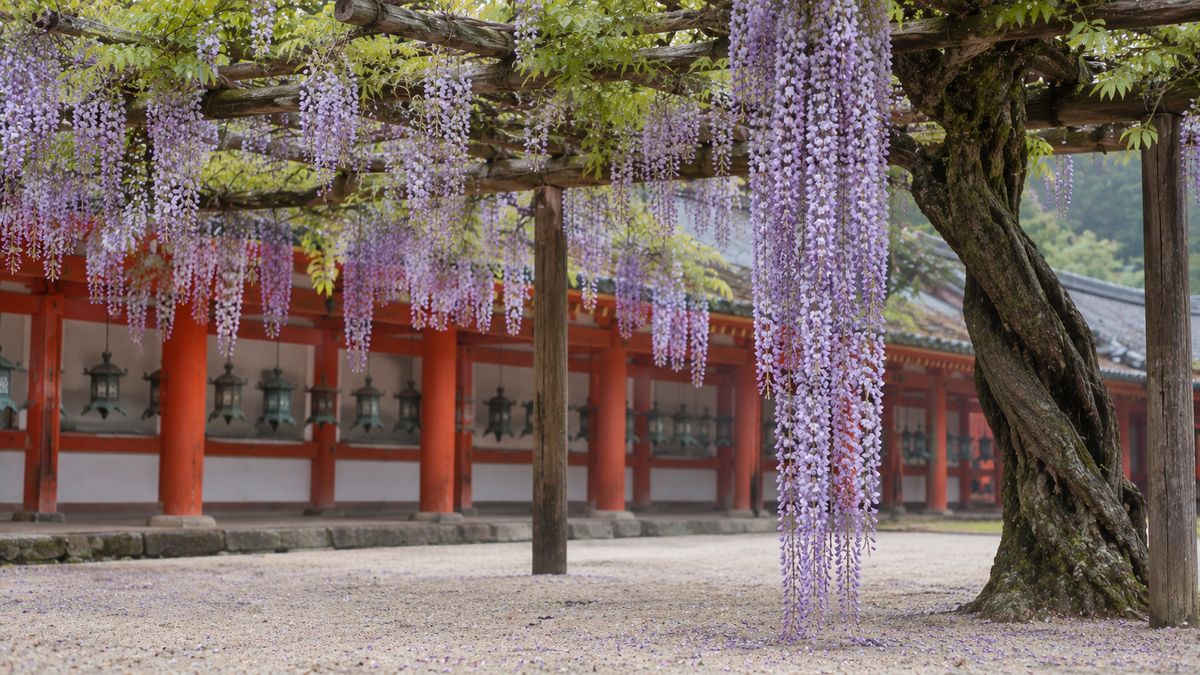 Word 100
The Courage to Turn Right
Kasuga Taisha, "Sand-Brushing Wisteria" (Nara), Under the very same trellis, one vine alone keeps reaching further toward the ground than any other.
Read more →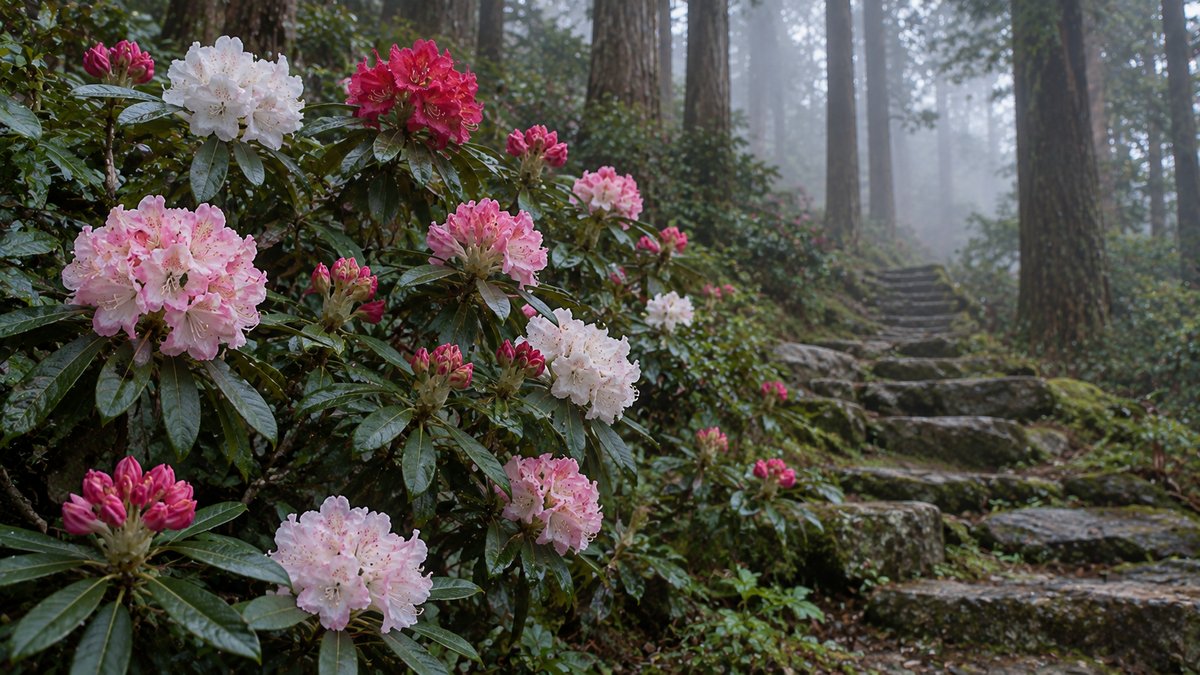 Word 099
This World Is a School of Life
Murō-ji Temple, "Nyonin Kōya" (Nara), When Mount Kōya closed its gates to women, this mountain quietly opened another way.
Read more →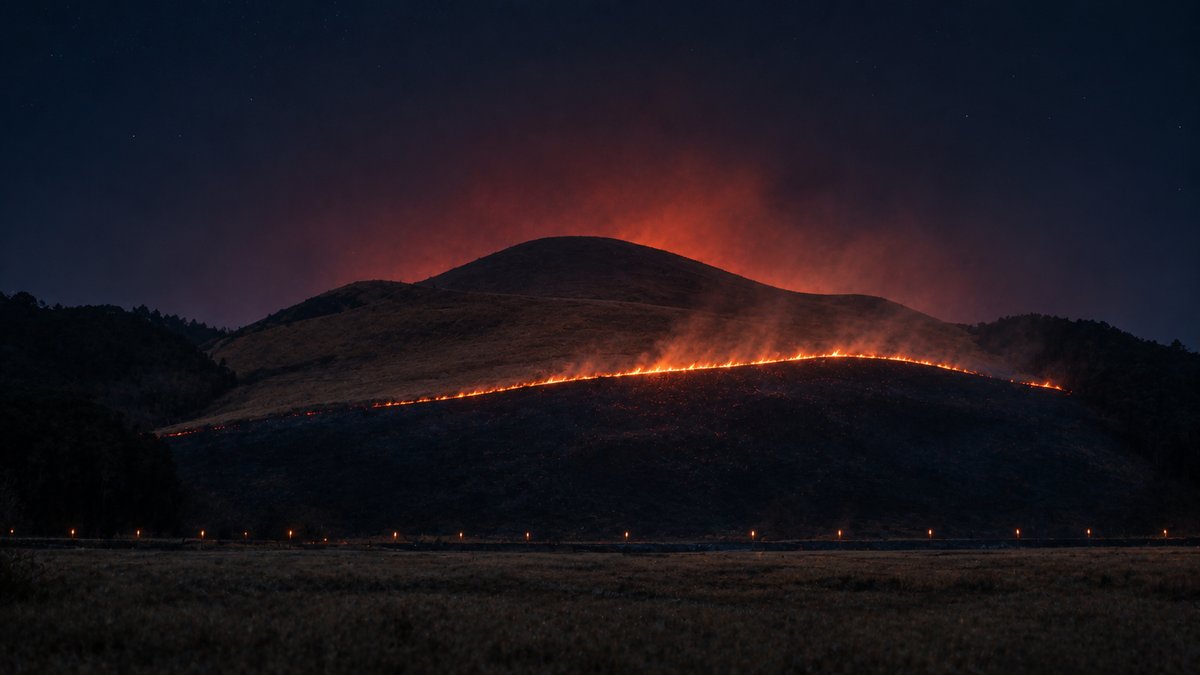 Word 098
To Truly Savor "Freedom"
Mount Wakakusa's Yamayaki Fire Festival (Nara), Only because the fire brigade bears that heavy responsibility does the same open silhouette return each spring.
Read more →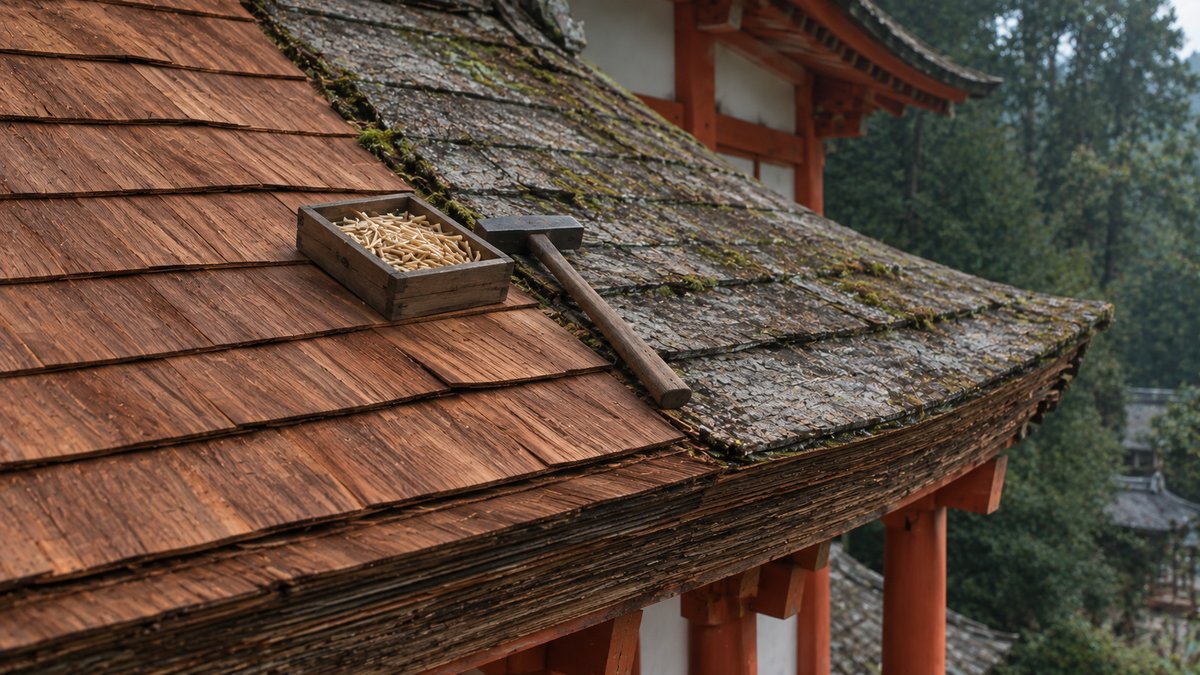 Word 097
Let's Enjoy the Process
Kasuga Taisha's Shikinen Zotai (Nara), Skill and feeling no blueprint can capture are quietly passed from hand to hand, once every twenty years.
Read more →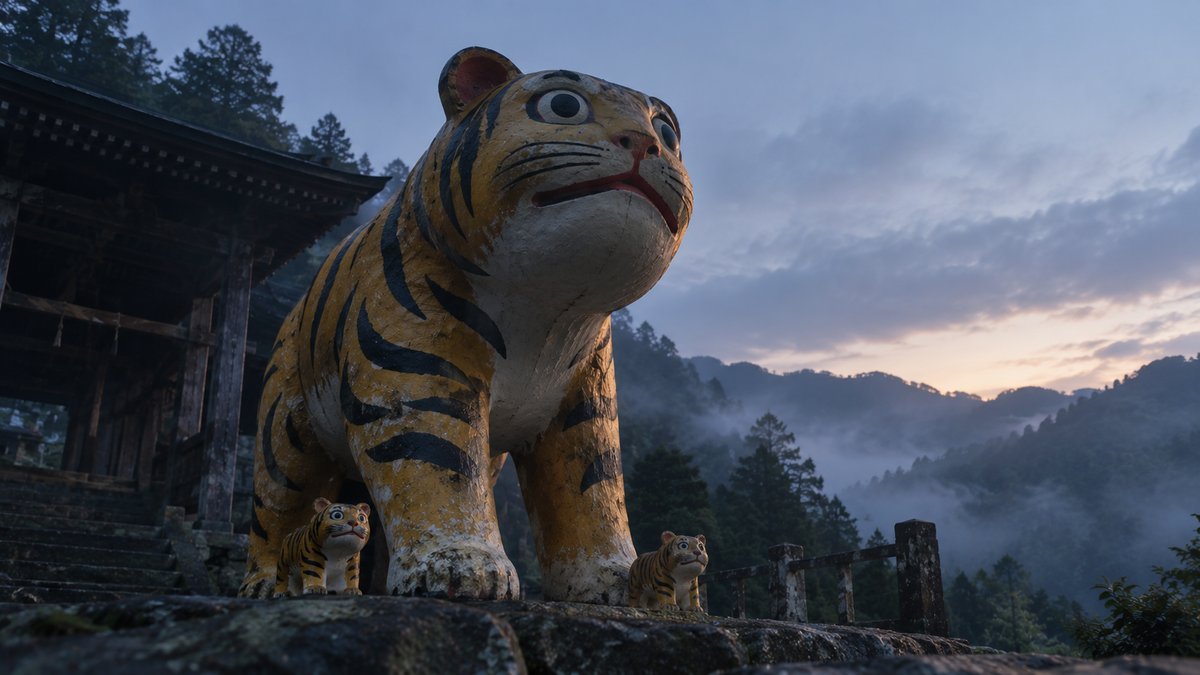 Word 096
We Meet Exactly When We Are Meant To
Mount Shigi, Chogosonshi-ji Temple (Nara), Visitors, too, quietly recall the people and things they have encountered along the way.
Read more →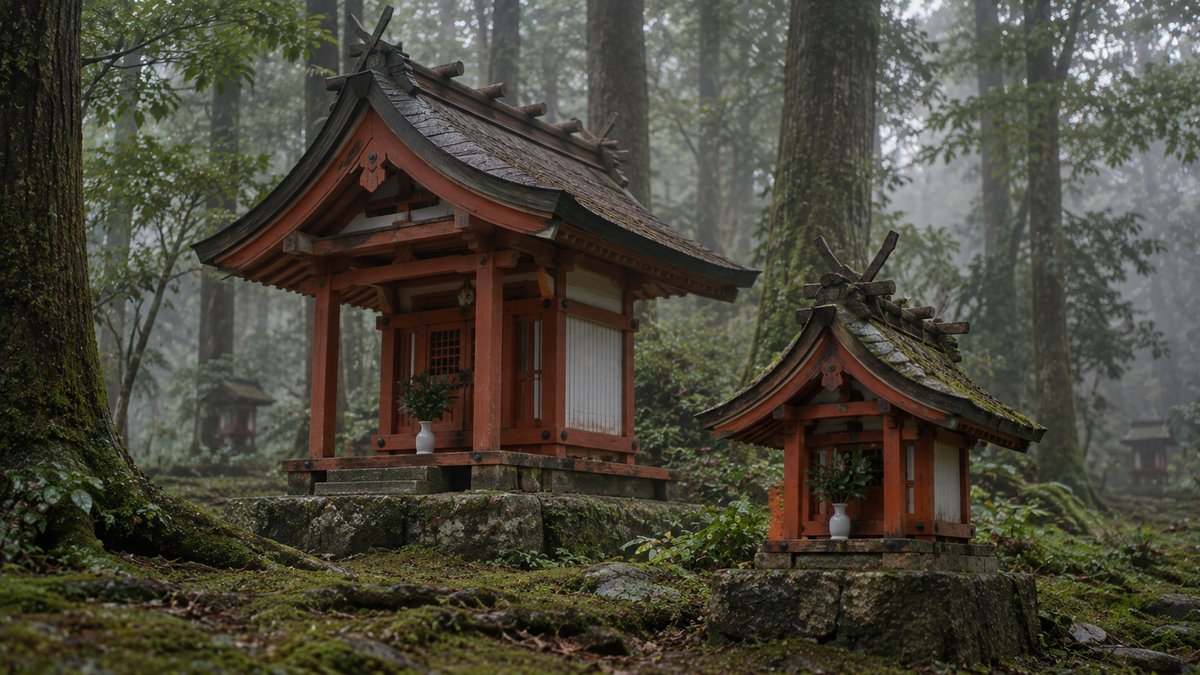 Word 095
Eight Million Gods — A Culture That Honors Every Individual
Kasuga Taisha Shrine Forest (Nara), It is simply the quiet belief that a god is there that sustains the place.
Read more →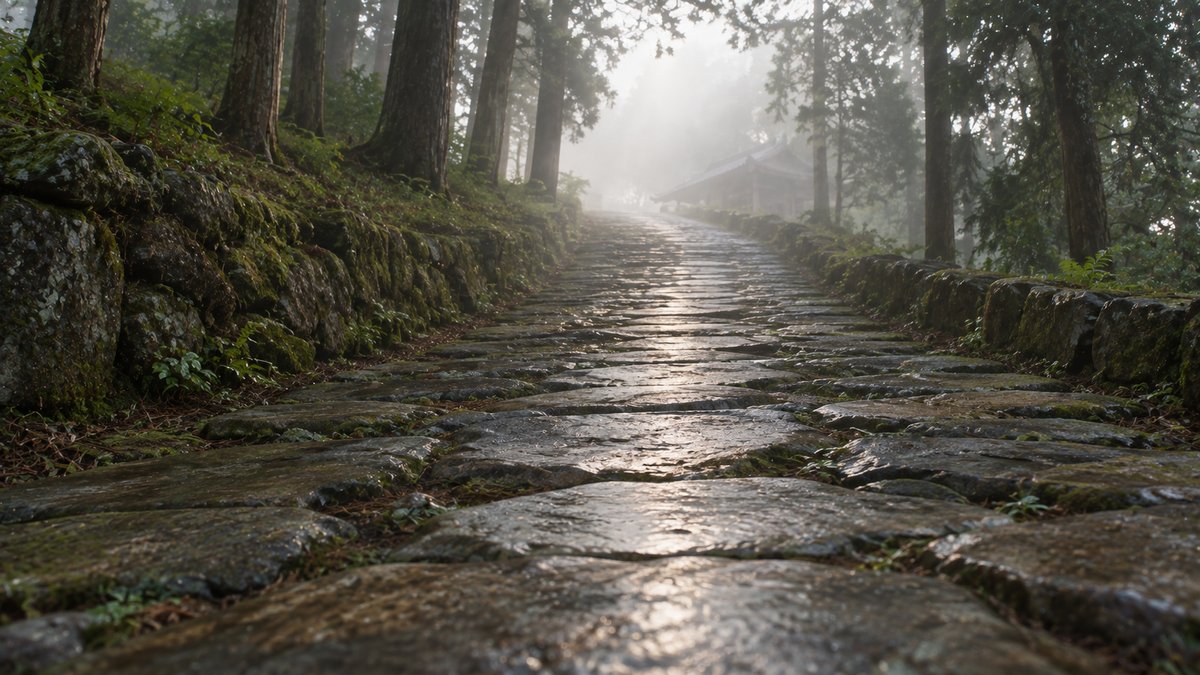 Word 094
Every Experience Becomes Your Treasure
Kuragari-goe Nara Kaido (Nara), With every step upon the stones, something as yet unnoticed quietly accumulates within the traveler.
Read more →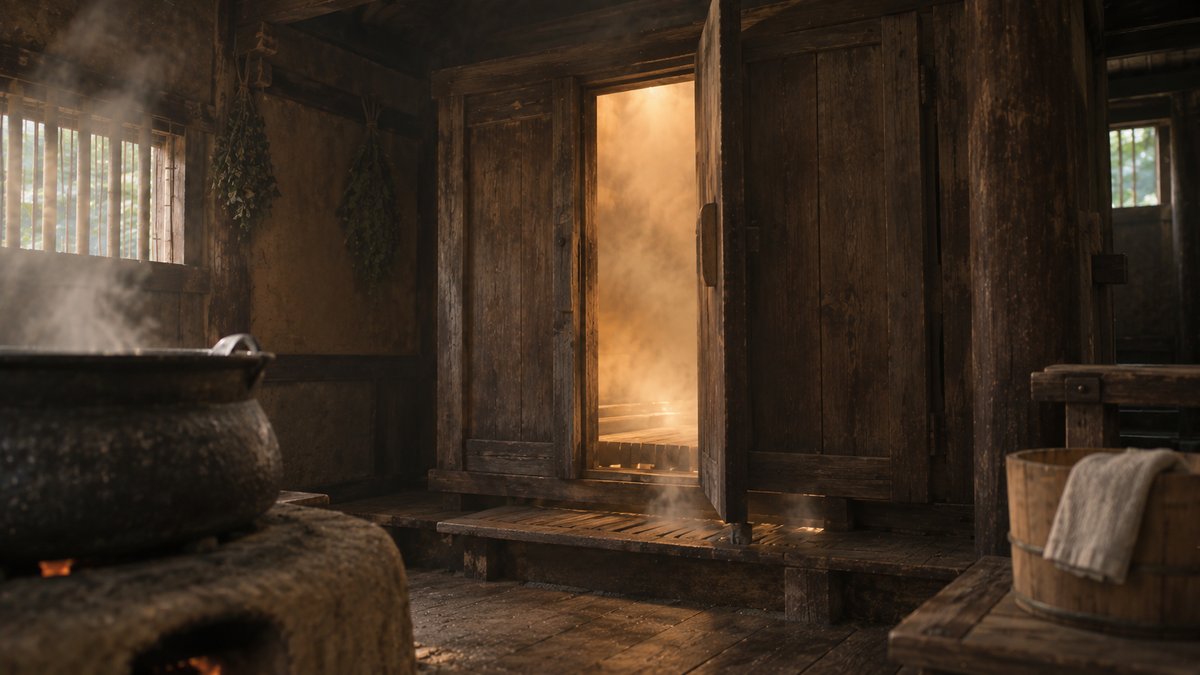 Word 093
Wealth Is Born From Giving
Hokke-ji Temple (Nara), Perhaps what the empress received was neither rank nor wealth, but something that had already been fulfilled the very moment she gave.
Read more →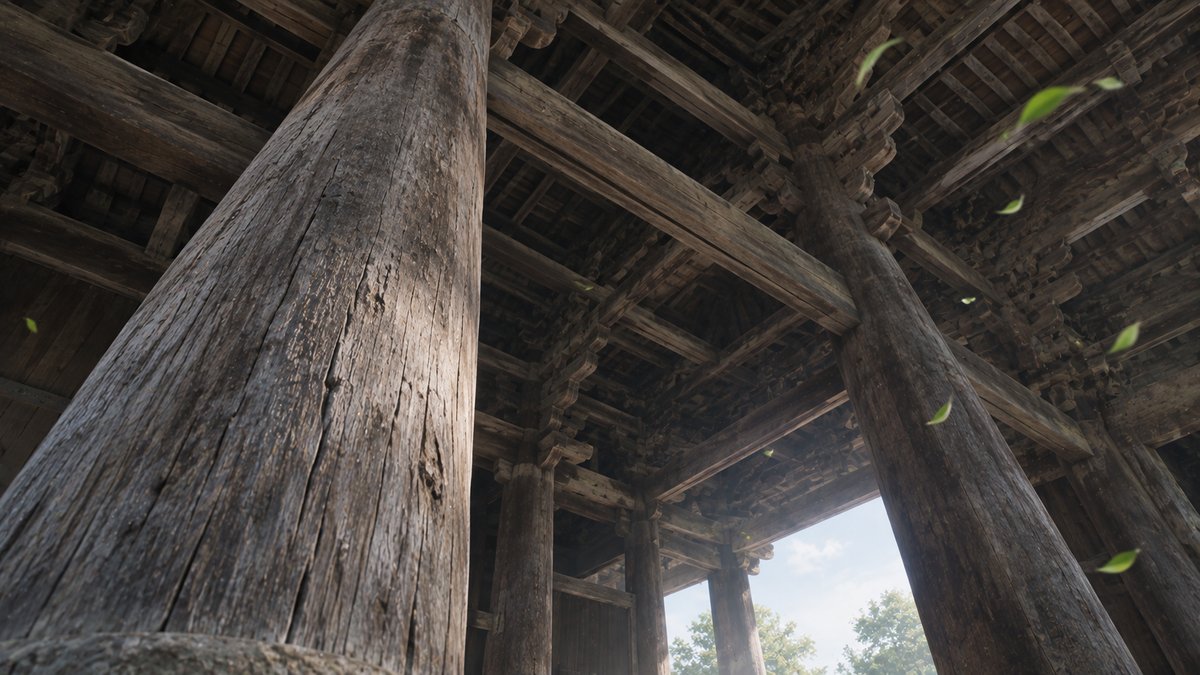 Word 092
How to Stretch Time
Nandaimon Gate, Todai-ji (Nara), Even the wind passing through the Nandaimon Gate, in this very moment, may be something we will never encounter again.
Read more →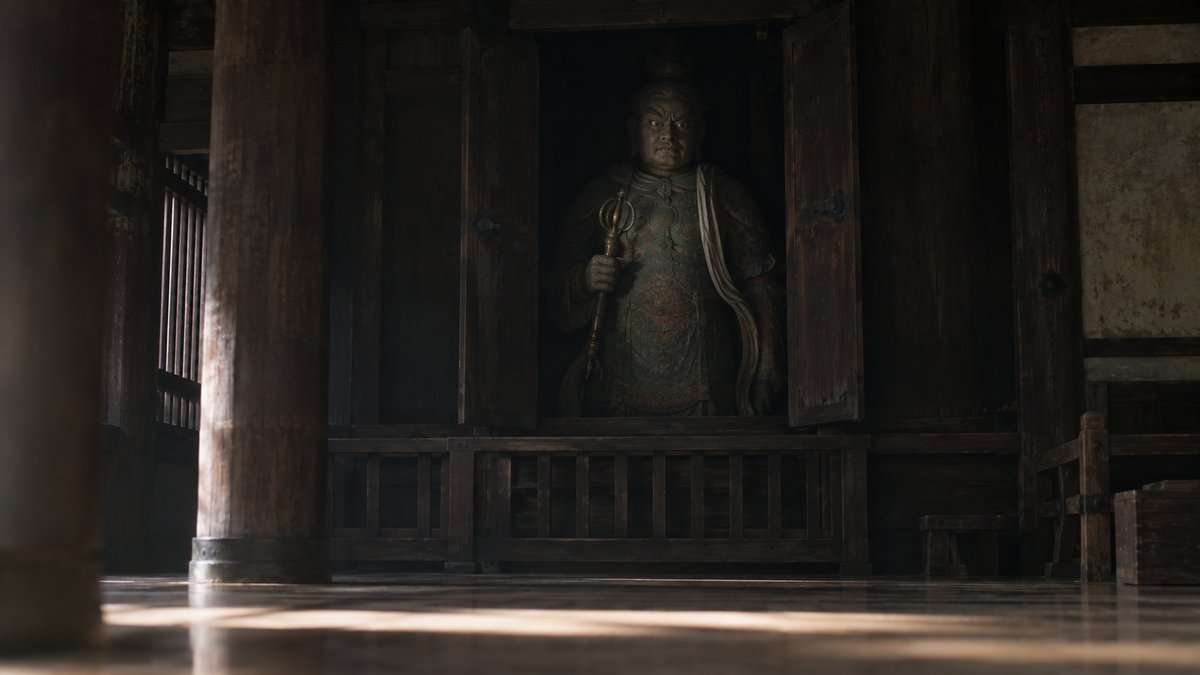 Word 091
To Watch Over Is to Respect
Hokke-do Hall, Todai-ji (Nara), To say nothing, and only remain, perhaps that, too, is a kind of tenderness.
Read more →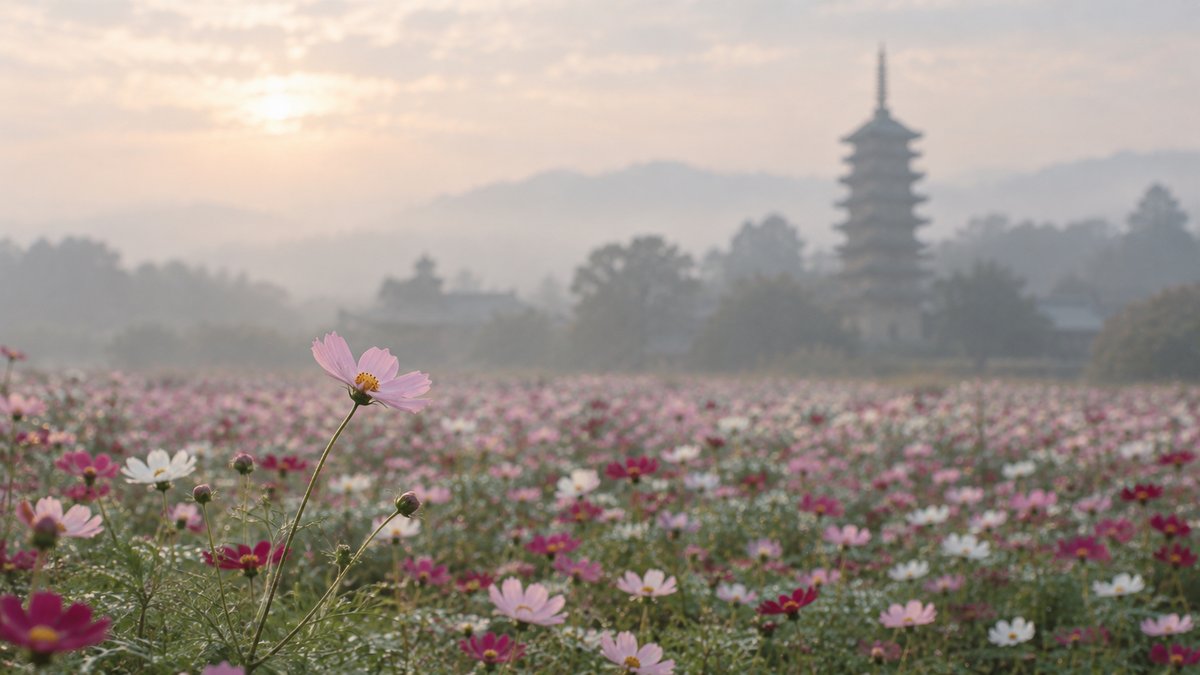 Word 090
The Long Way Around Is the Shortest Path
Hannya-ji Temple (Nara), Behind that dazzling field of flowers lies nothing more than countless small accumulations. What looked like the long way around may have been the shortest path all along.
Read more →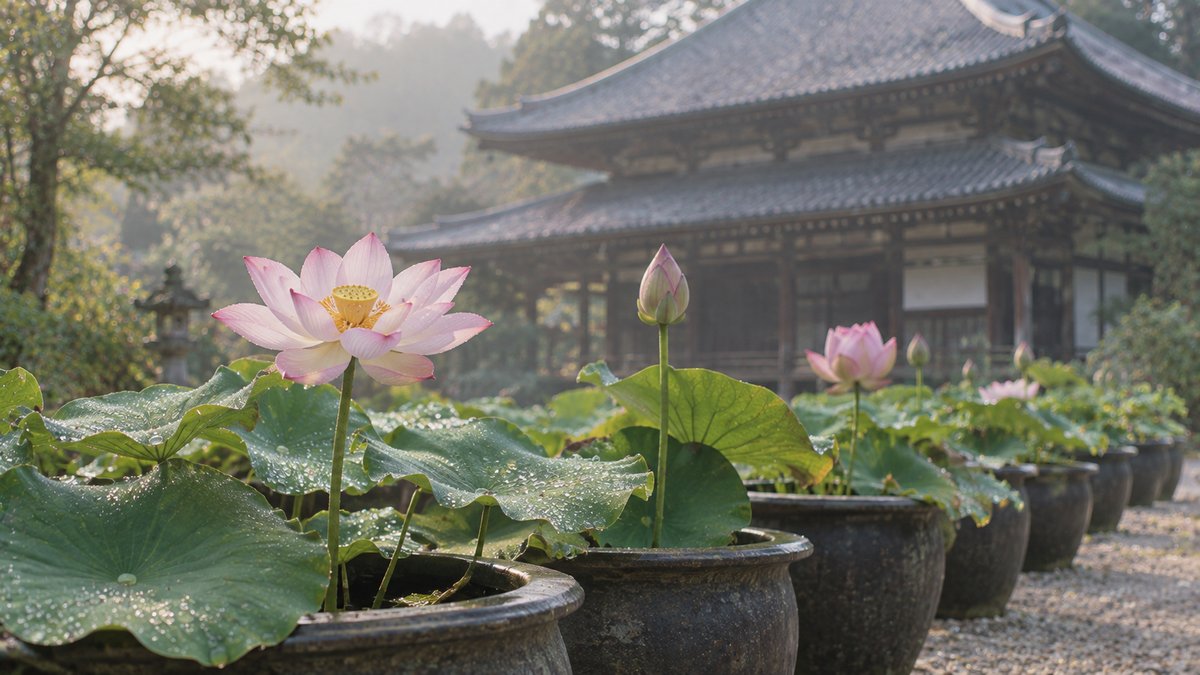 Word 089
Bloom at Your Own Pace
Kikoji Temple (Nara), The lotus is not competing with anyone to bloom first. It is simply living its own time, and that alone is already beautiful enough.
Read more →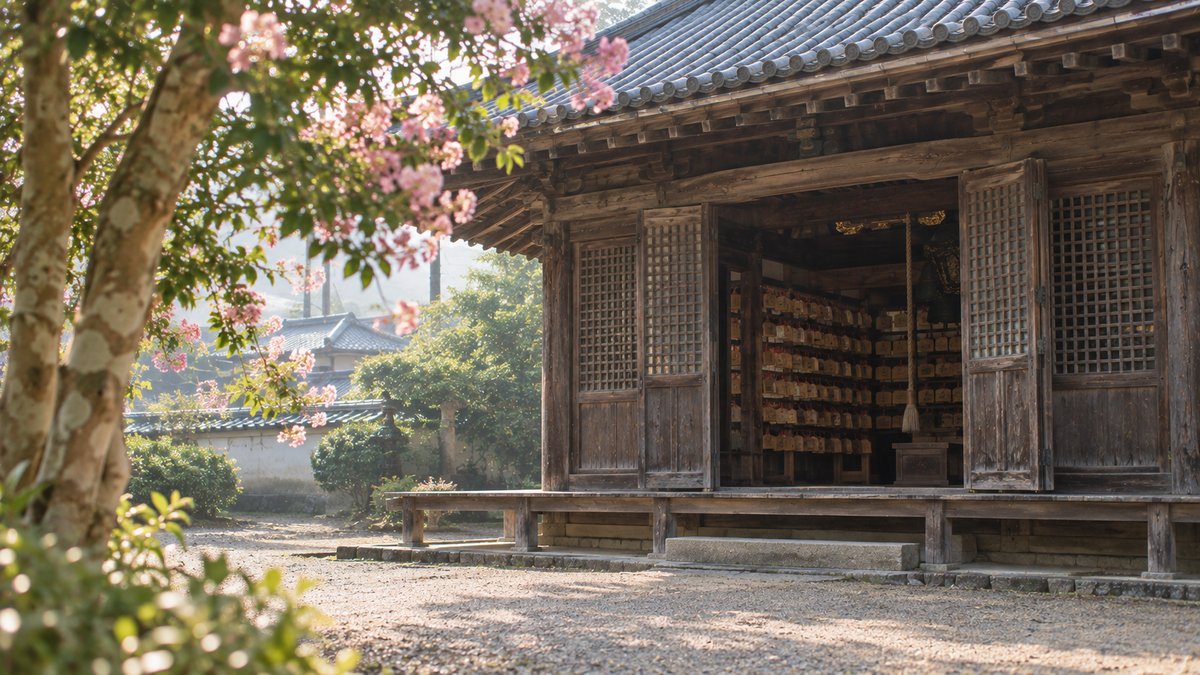 Word 088
Grateful for This Life, A New Page Today
Obitoke-dera (Nara), Every life, through its own hills and valleys, arrives at this one day called today.
Read more →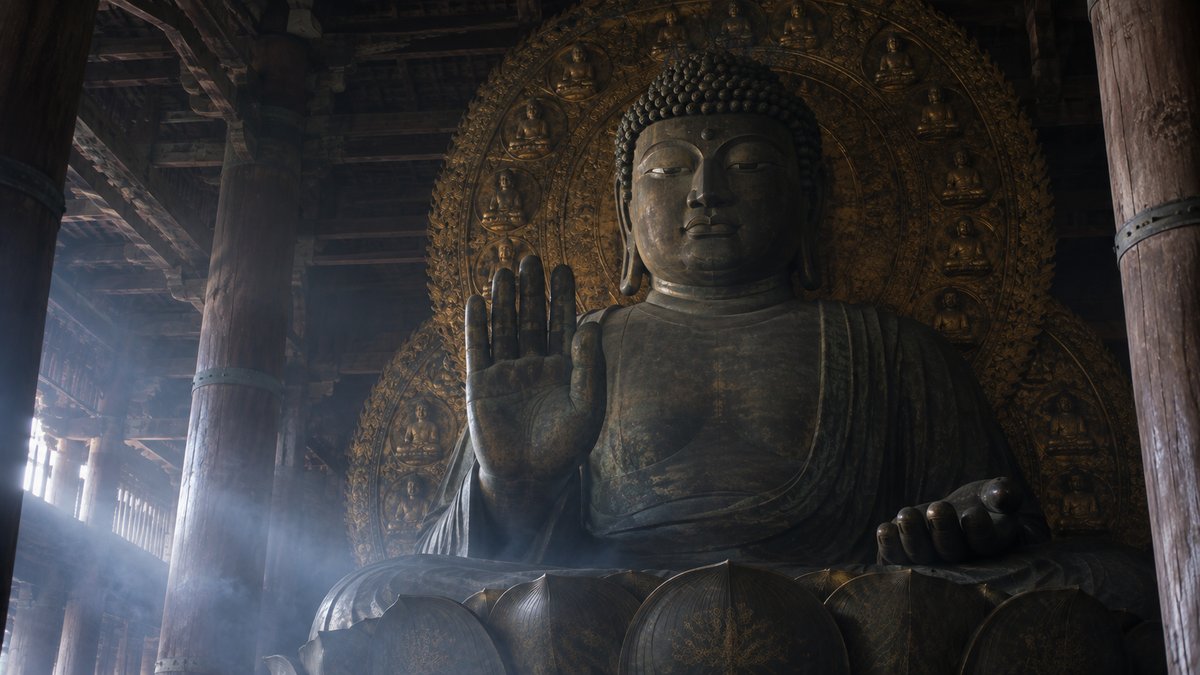 Word 087
My Answer: To Contribute to Others
Todai-ji Great Buddha Hall (Nara), The Buddha's right hand still rests, quietly, in the shape of something being offered.
Read more →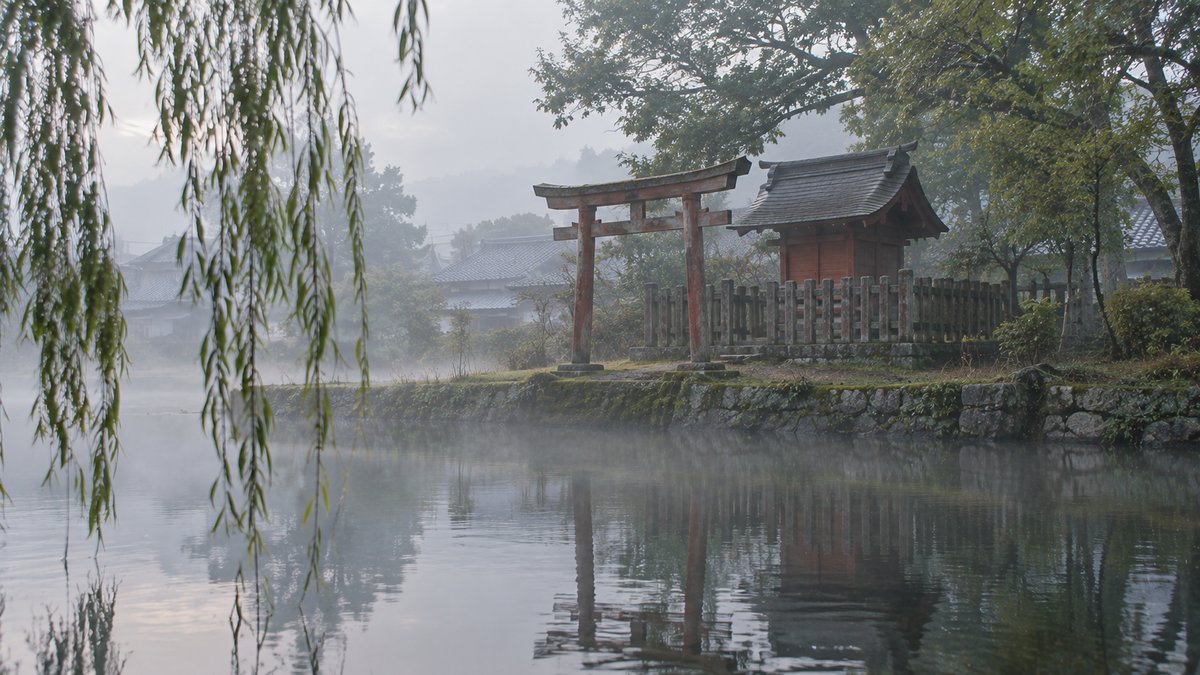 Word 086
Just Enough, and Quietly
Uneme Shrine, Sarusawa Pond (Nara), There is no fixed way to show that you care for someone. Sometimes, a small kindness is simply this, quietly turning, just a little, the other way.
Read more →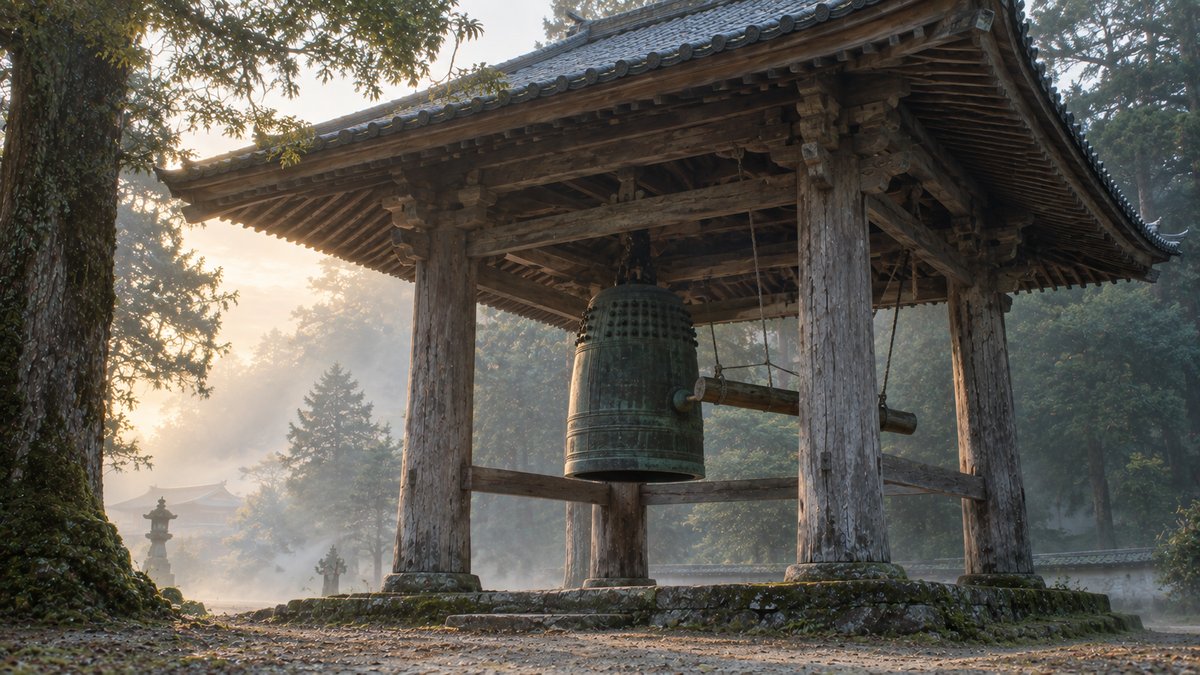 Word 085
It's Never Too Late
Todai-ji Bell Tower (Nara), That same toll is, even today, quietly reaching someone's heart.
Read more →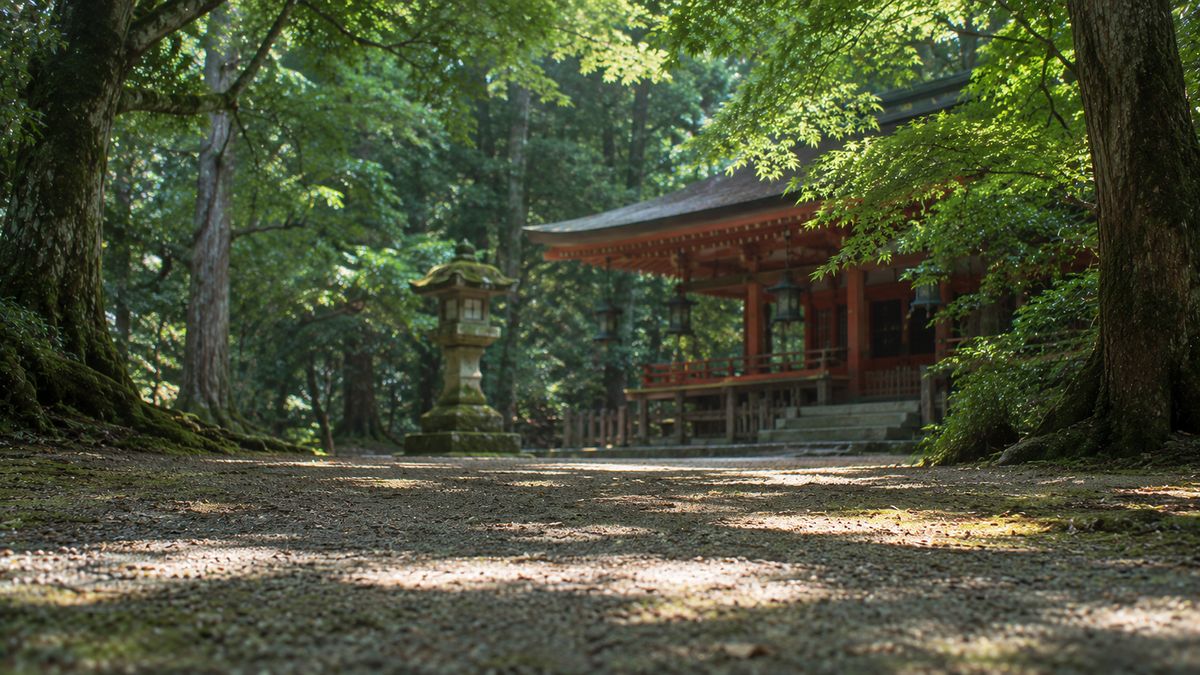 Word 084
Give, and You Shall Be Given
Tamukeyama Hachimangu (Nara), Even after leaving Tamukeyama, the coolness of that dappled light seemed to stay on my shoulders a while longer.
Read more →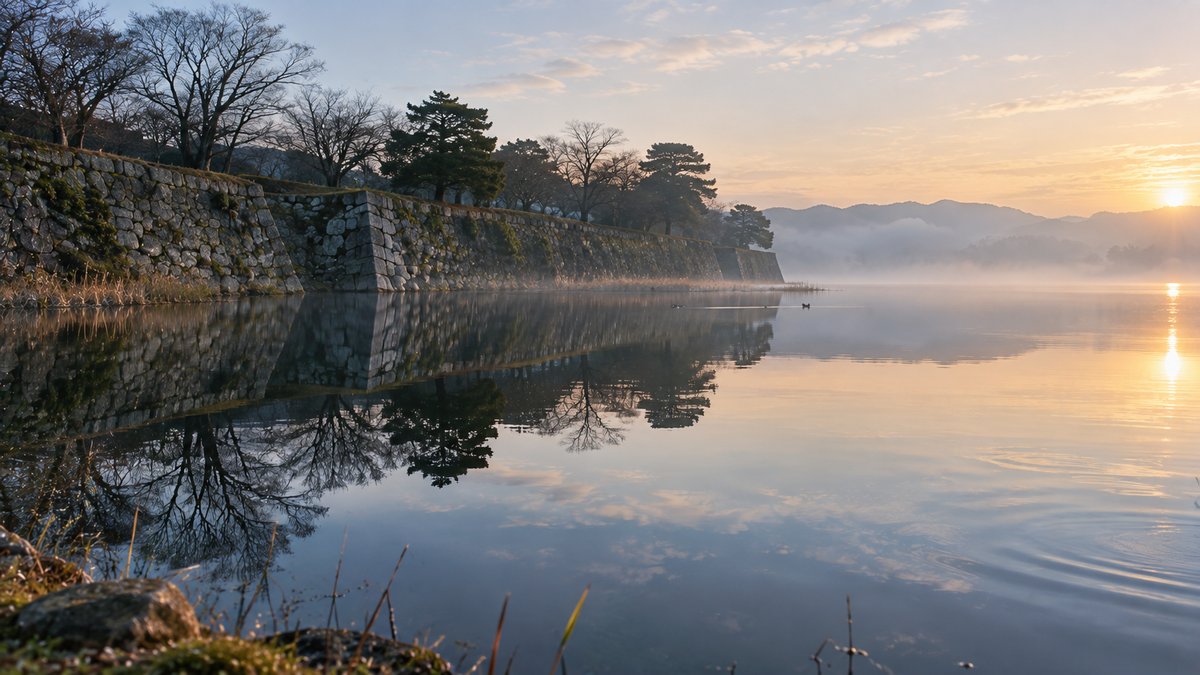 Word 083
Captain and President — Both Are You
Yamatokoriyama Castle Moat (Yamatokoriyama City), What sail the next boat raises, and where it means to go, is not something the water or the moat will ever decide.
Read more →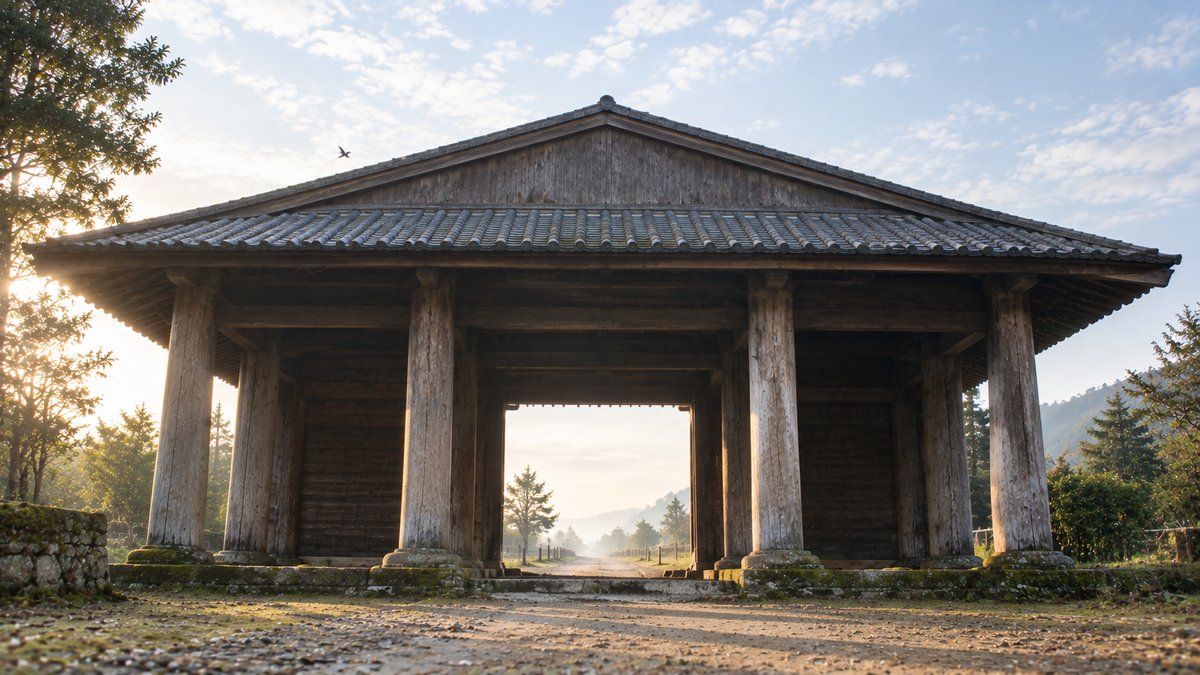 Word 082
No One Holds You Back But Yourself
Tegai-mon Gate (Todai-ji), Only later does it become clear, it was never the gate that moved, but your own feet.
Read more →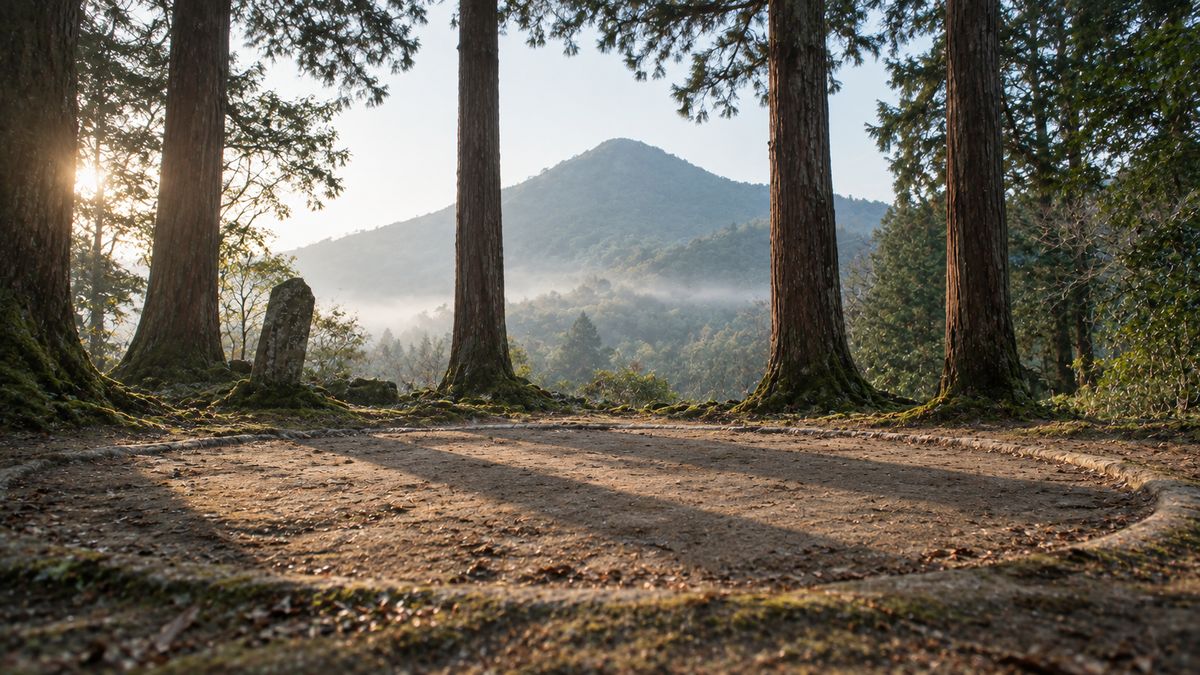 Word 081
Know the Enemy, Know Yourself
Sumo Jinja (Sakurai City), Perhaps to truly look at another is, in time, also to look at oneself.
Read more →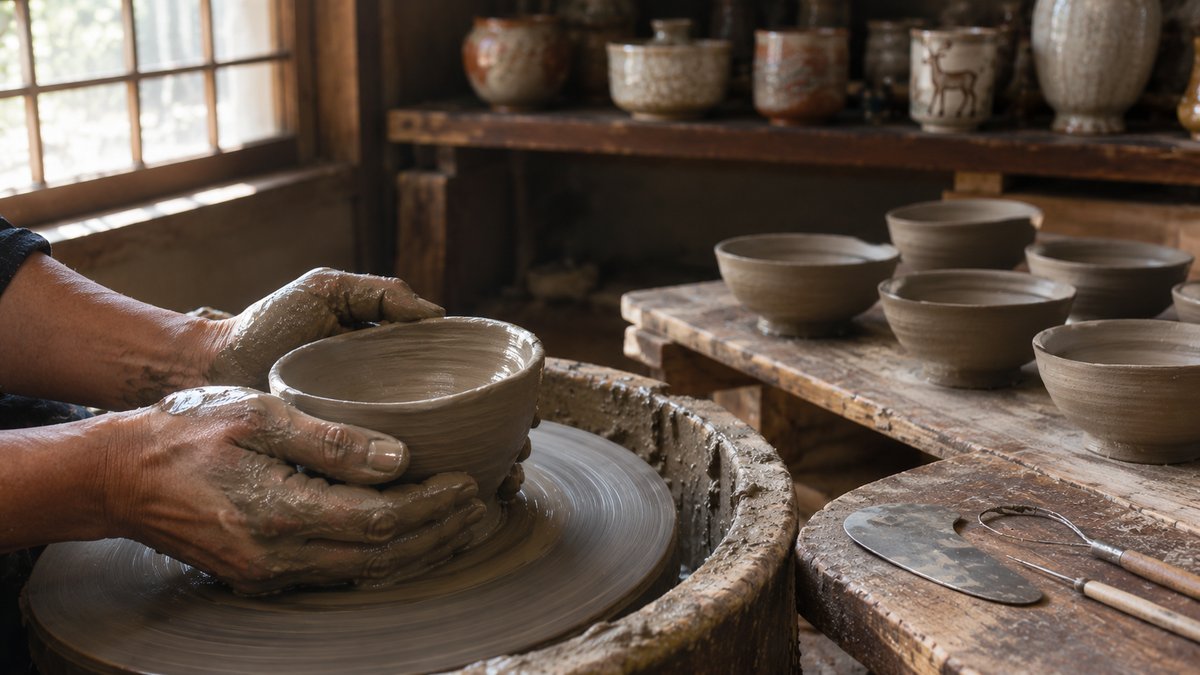 Word 080
Experience Is the Best Teacher
Akahada-yaki Kiln (Yamatokoriyama City), Perhaps it is always the one who keeps moving their hands who truly makes what they've been taught their own.
Read more →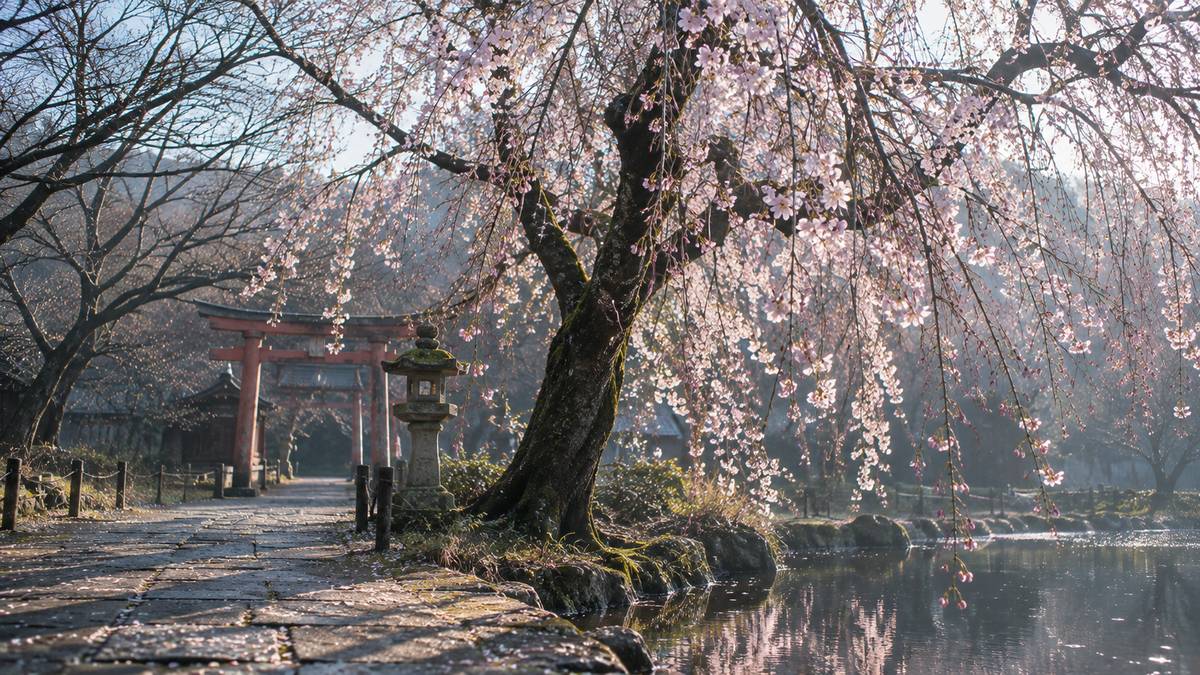 Word 079
Waiting for Someone's Own Timing
Himuro Shrine (Nara City), Early or late, that rhythm belongs to that tree alone. Until the moment it blooms, perhaps all we can do is stand quietly, and simply look up.
Read more →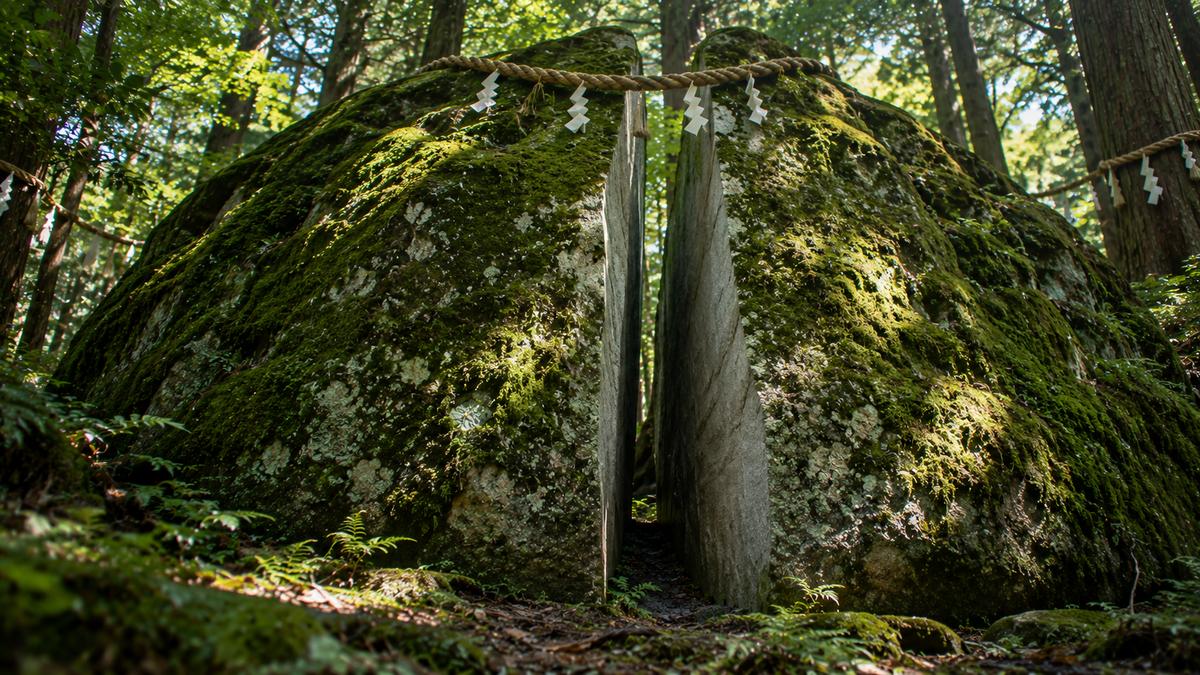 Word 078
It Was You Who Made the Wall So High
Ittoseki (Yagyu, Nara City), The single stroke swung down that night truly cut through something. Still now, quietly, it lies there, split in two.
Read more →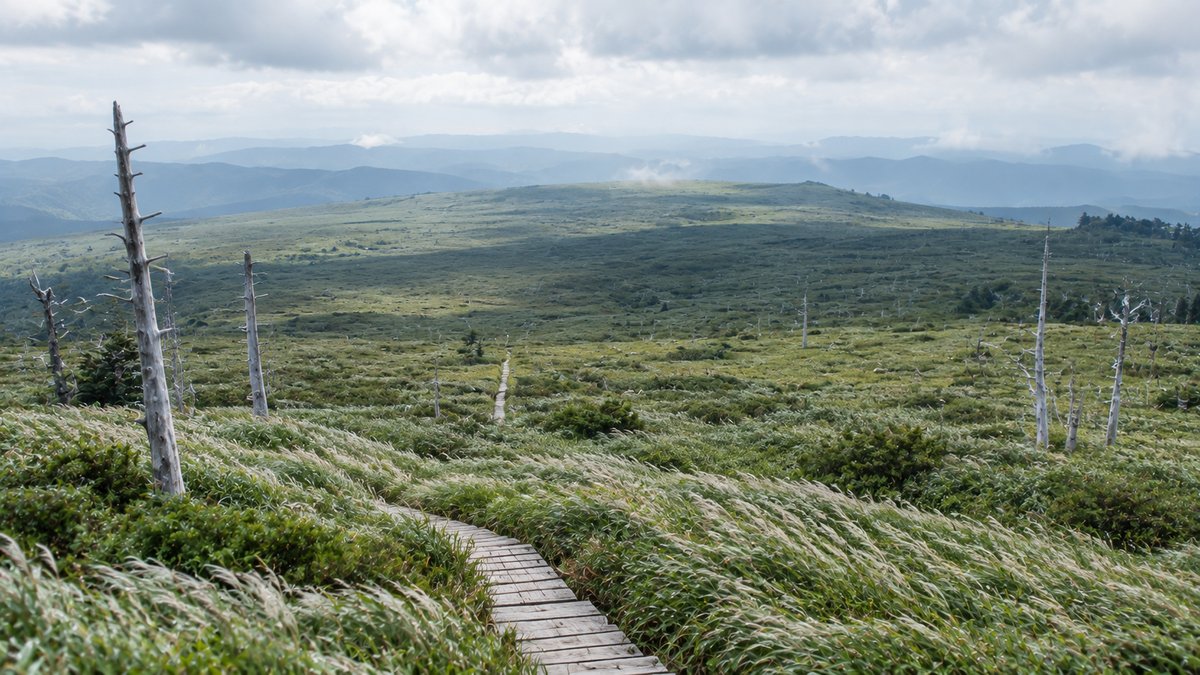 Word 077
The Limit You Set Is Your Own
Odaigahara (Kamikitayama Village, Yoshino District), Just as the view before the eyes holds no boundary, perhaps the possibilities held within the heart have no boundary either.
Read more →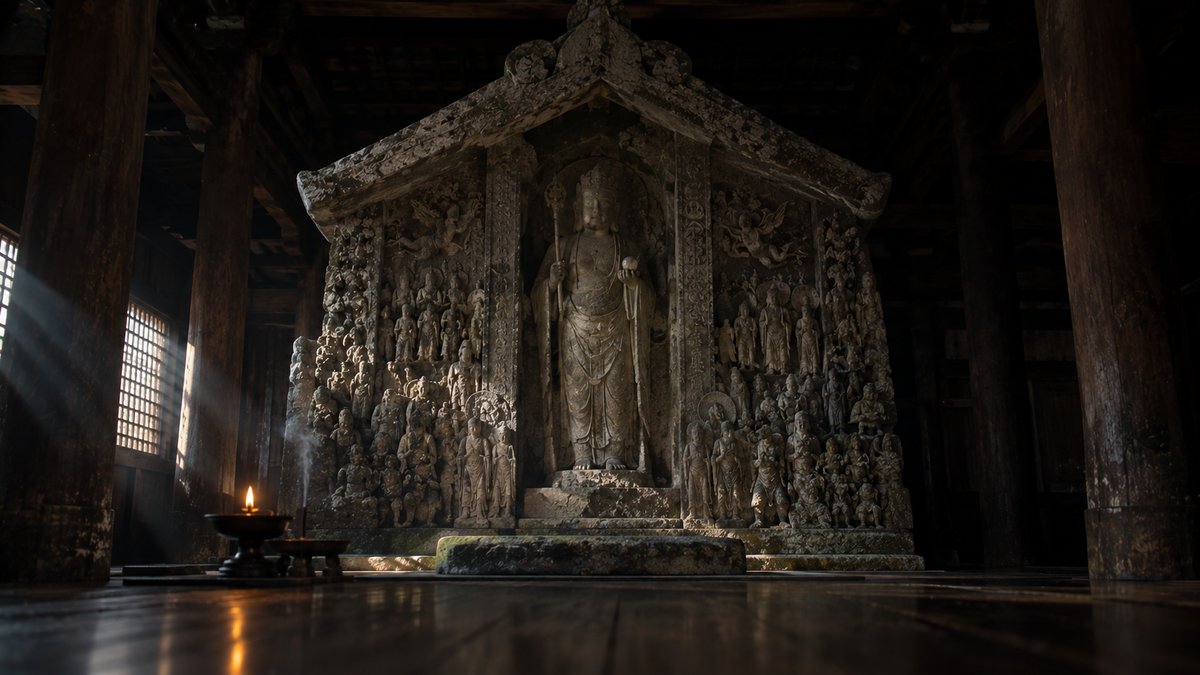 Word 076
Other People Are a Mirror That Reflects You
Jūrin-in Temple (Naramachi, Nara City), Not one voice among them passed judgment on another. Each simply continued to be there.
Read more →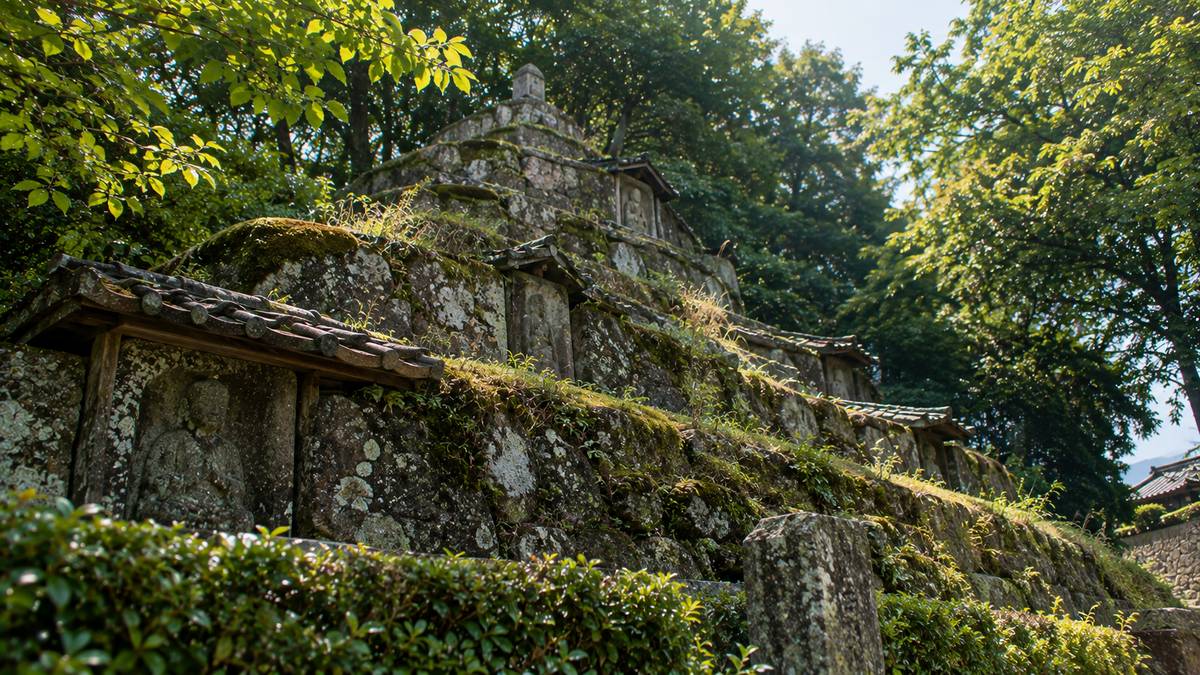 Word 075
Each Day Is "Ichigo Ichie"
Tōtō (Takabatake, Nara City), Whether or not anyone remembers what it once was, this place is still, undeniably, here today. The stones seemed to say that was enough.
Read more →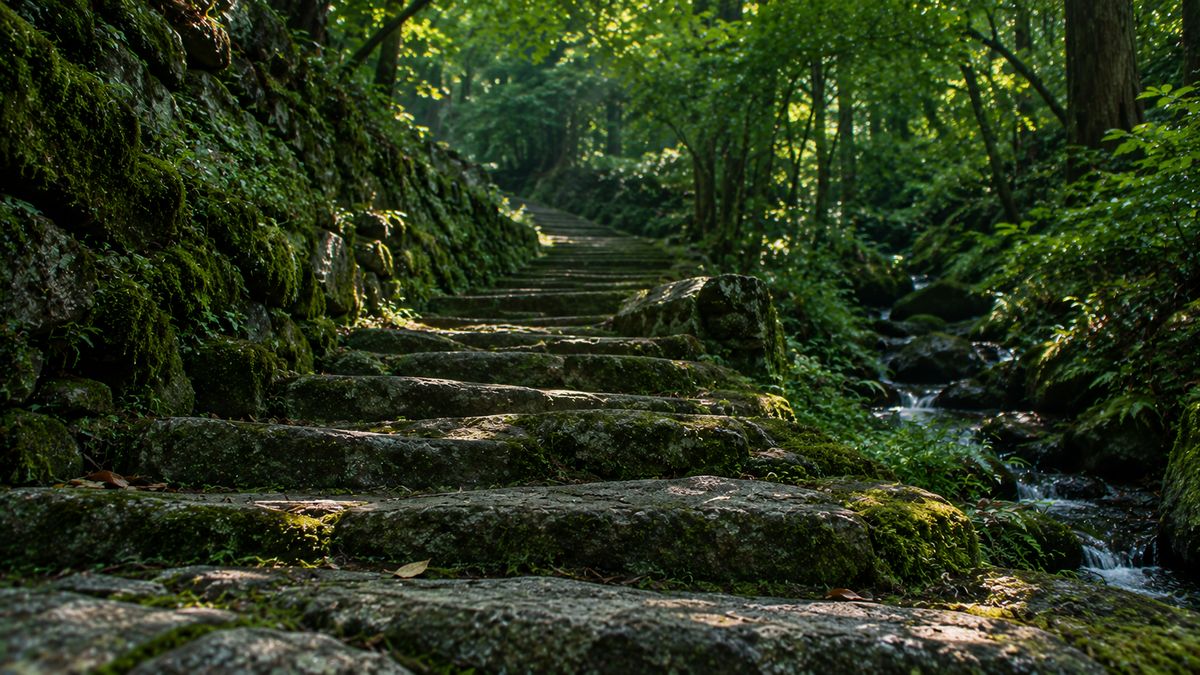 Word 074
Even Half a Step Forward
Shōryakuji Temple (Nara City, Bodaisan), In the quiet of the mountain, time moves slowly. There is no need to rush, the path keeps going.
Read more →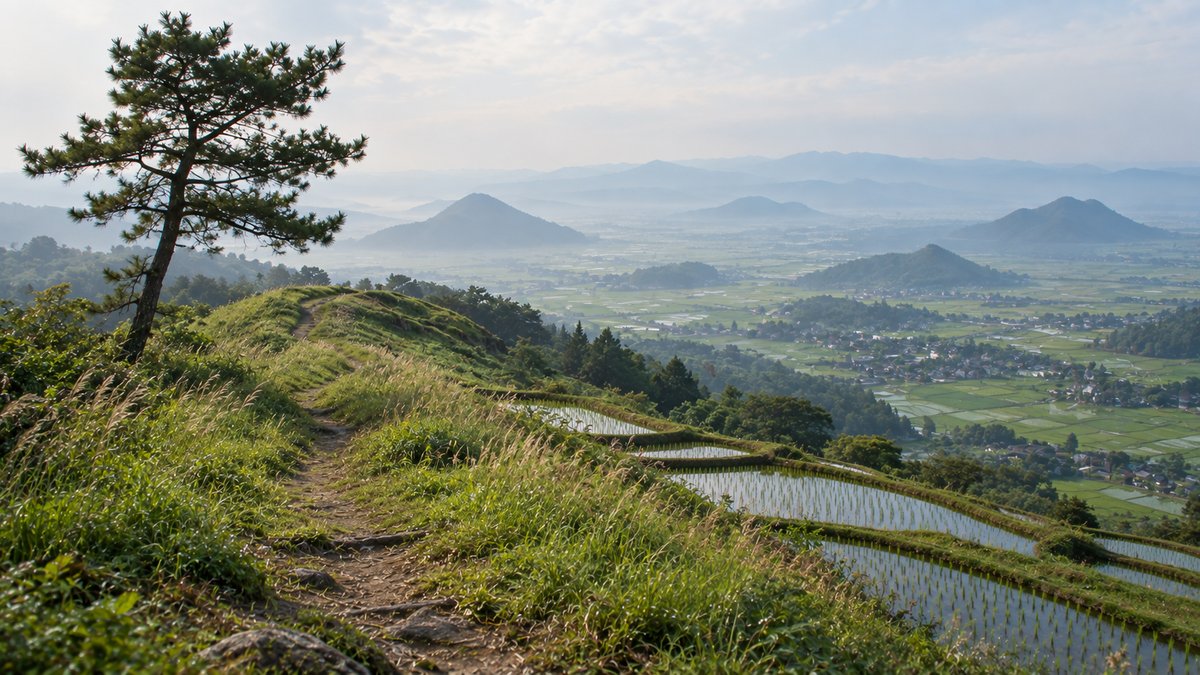 Word 073
Life Is Like a Marathon
Katsuragi Ancient Road (Gose City), The length of the road is fixed before you begin. The only thing you can choose is how you walk it.
Read more →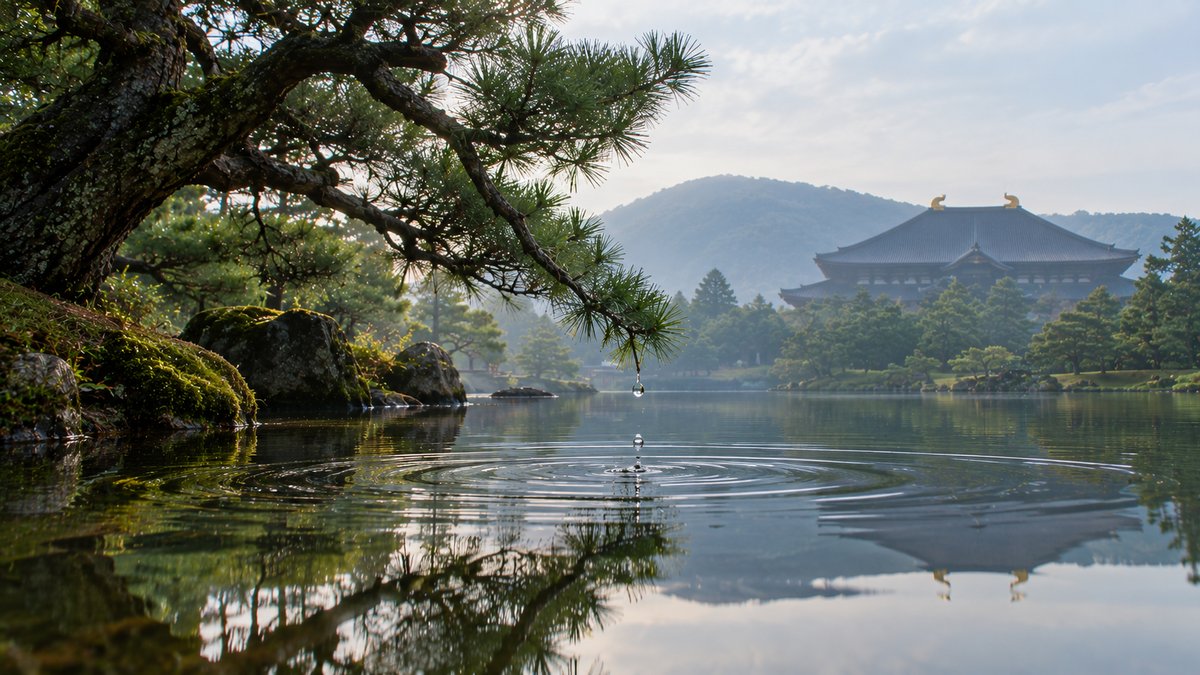 Word 072
Your Presence, Your Smile
Isuien Garden (Nara), The simple fact that you are here is already someone's light.
Read more →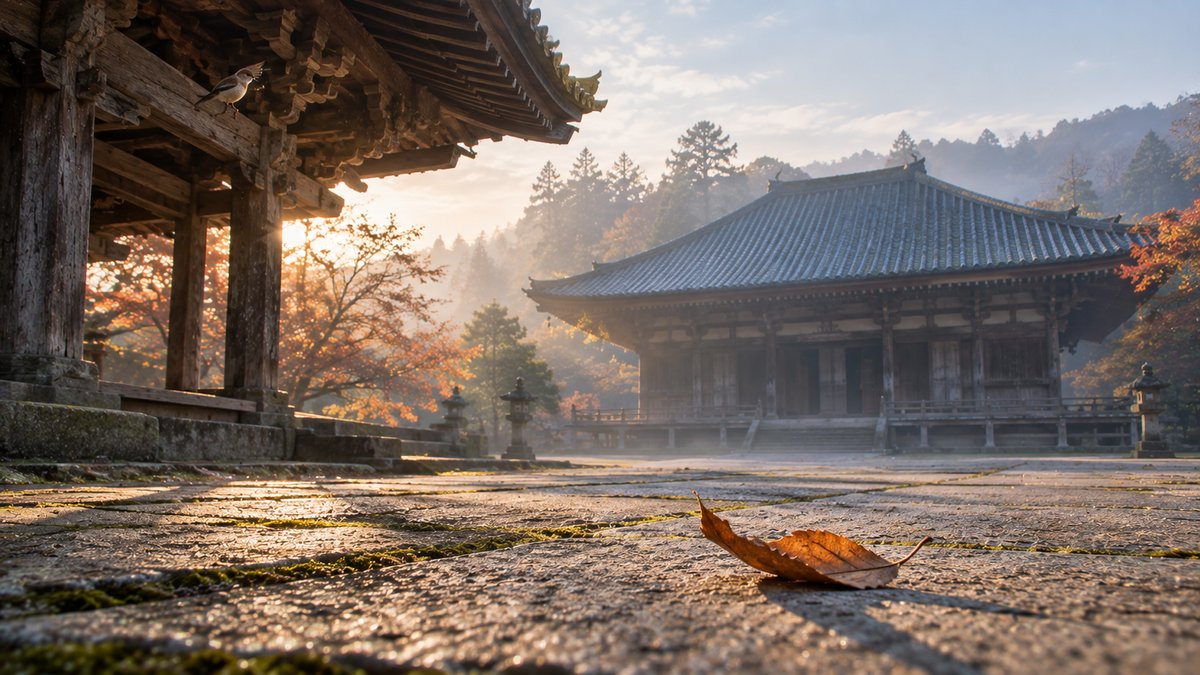 Word 071
One Thing That Happens When You Try Something New
Saidaiji Temple (Nara), A small first step always brings something unexpected with it.
Read more →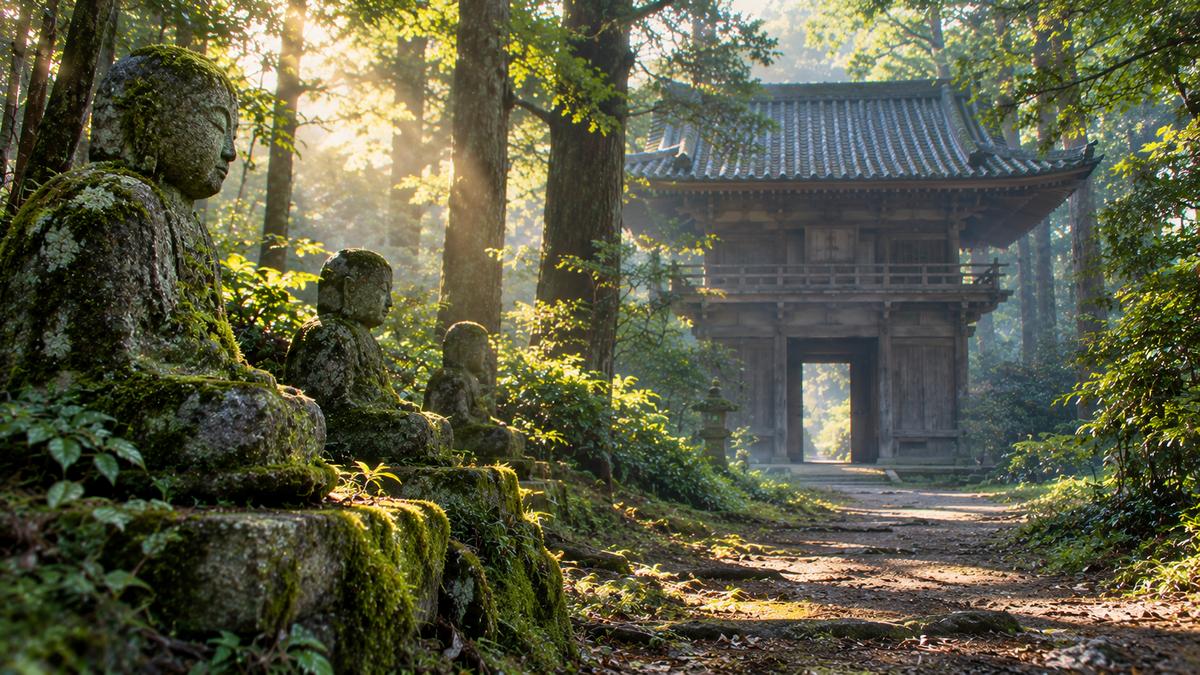 Word 070
First, Let's Try Knowing. Knowledge eases anxiety and opens the door to new challenges.
Hannya-ji Temple (Nara), The doorway to knowing is always there, waiting to be opened.
Read more →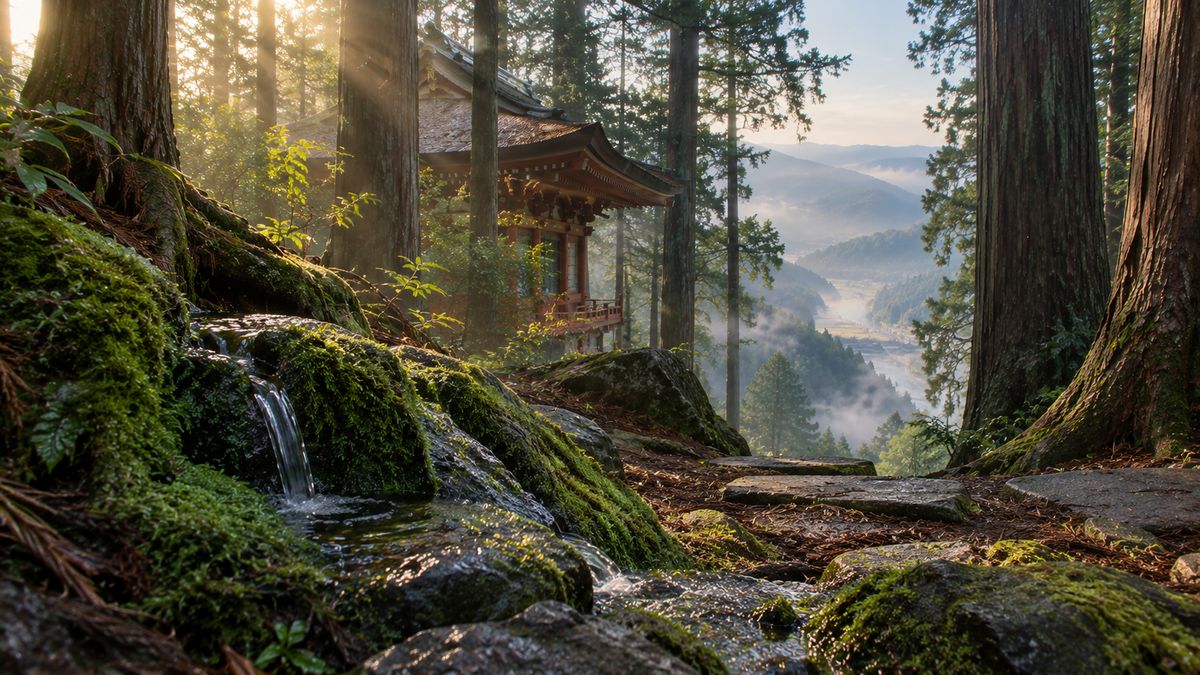 Word 069
Contributing to Others Is Not Self-Sacrifice. Fill Yourself First.
Yoshino Mikumari Shrine (Yoshino), Only when you are fulfilled can you truly give.
Read more →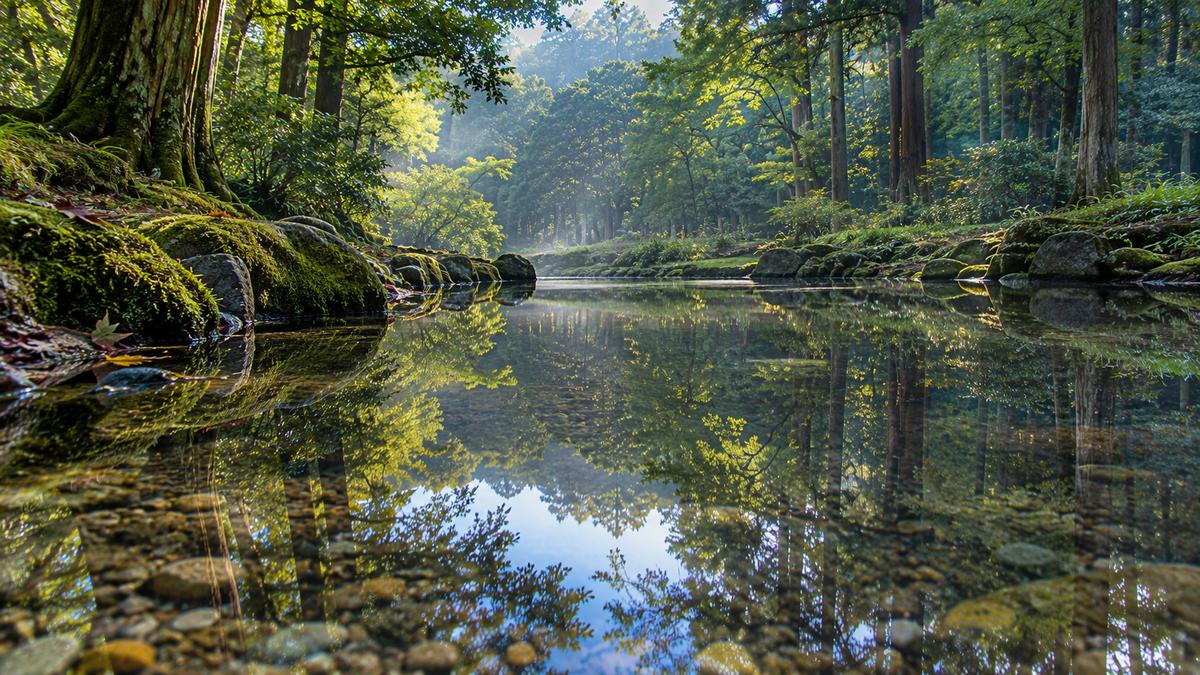 Word 068
Two Meanings of "Look at Others and Correct Yourself."
Yoshiki River (Nara Park), Those around you are a mirror reflecting yourself.
Read more →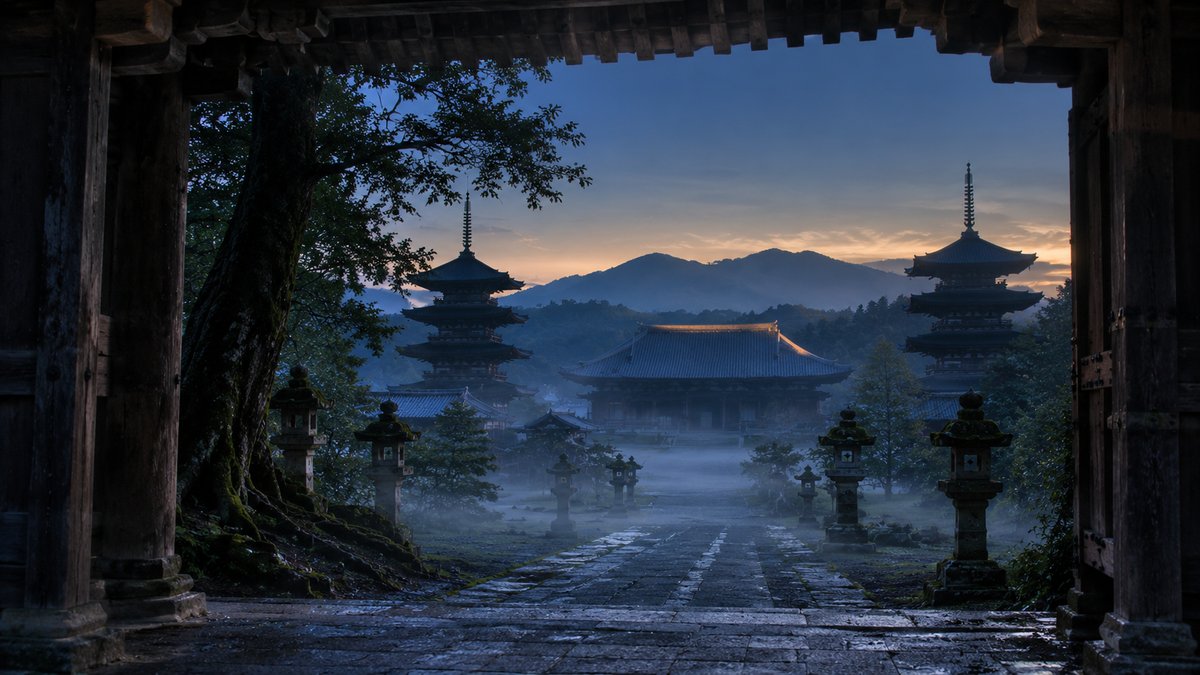 Word 067
"It's because of so-and-so that my life has turned out this way." — These are the words of a curse.
Taima-dera (Katsuragi), If you want full control of your life, stop using them. Right now.
Read more →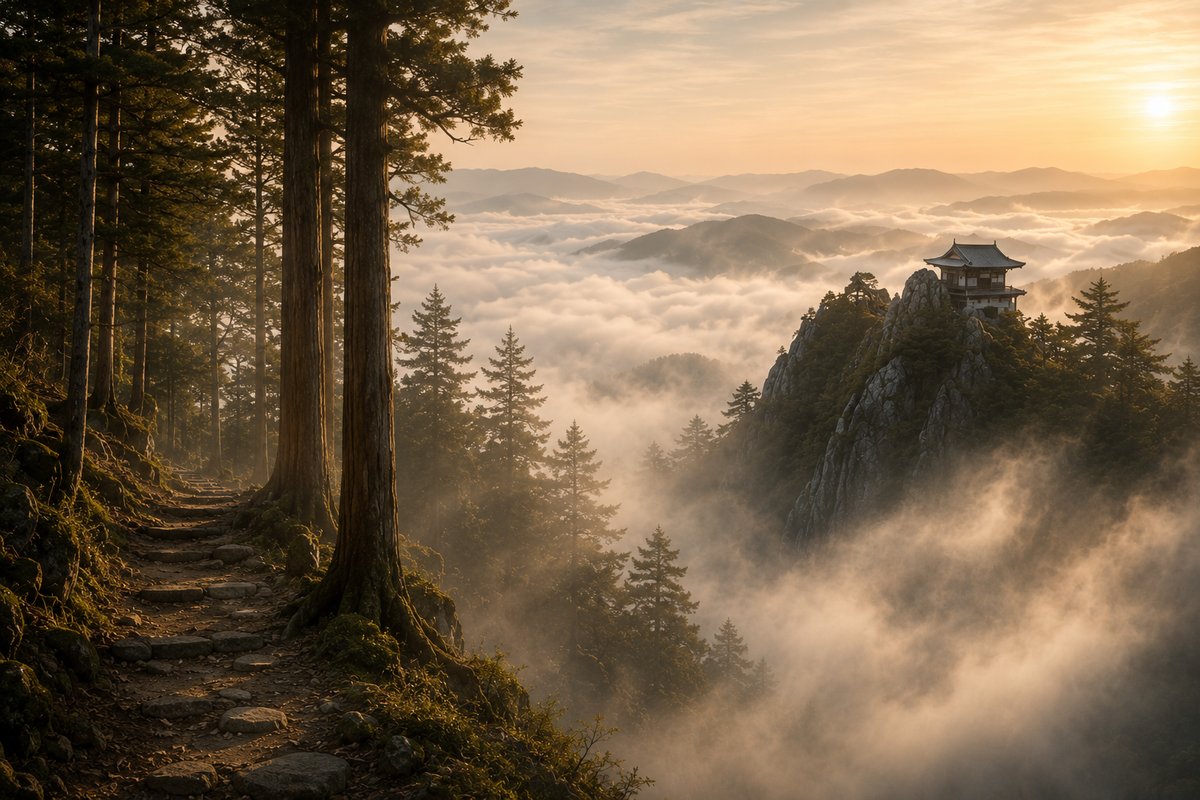 Word 066
"Things are not going well." — At such times, struggle with all your might.
Mount Ōmine (Yoshino), Comfort and lukewarm ease are the real danger.
Read more →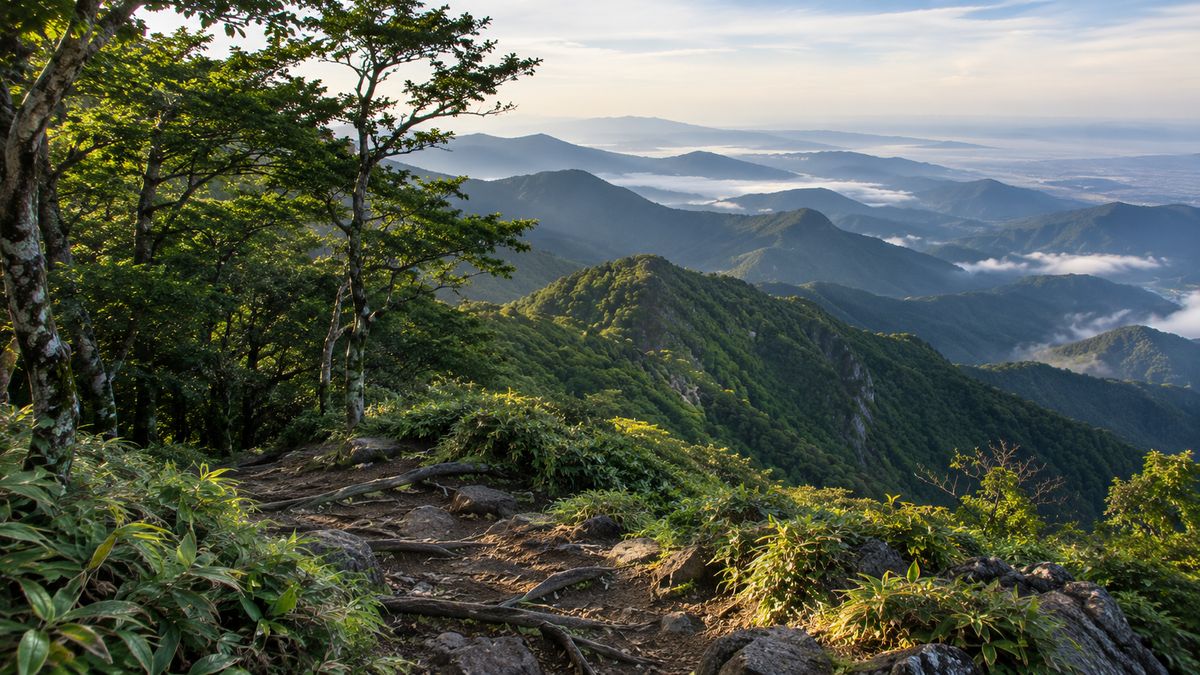 Word 065
"You may be going through some kind of hardship right now."
Mount Takamiyama (Higashiyoshino Village), So why not find joy even in the suffering of this very moment!!
Read more →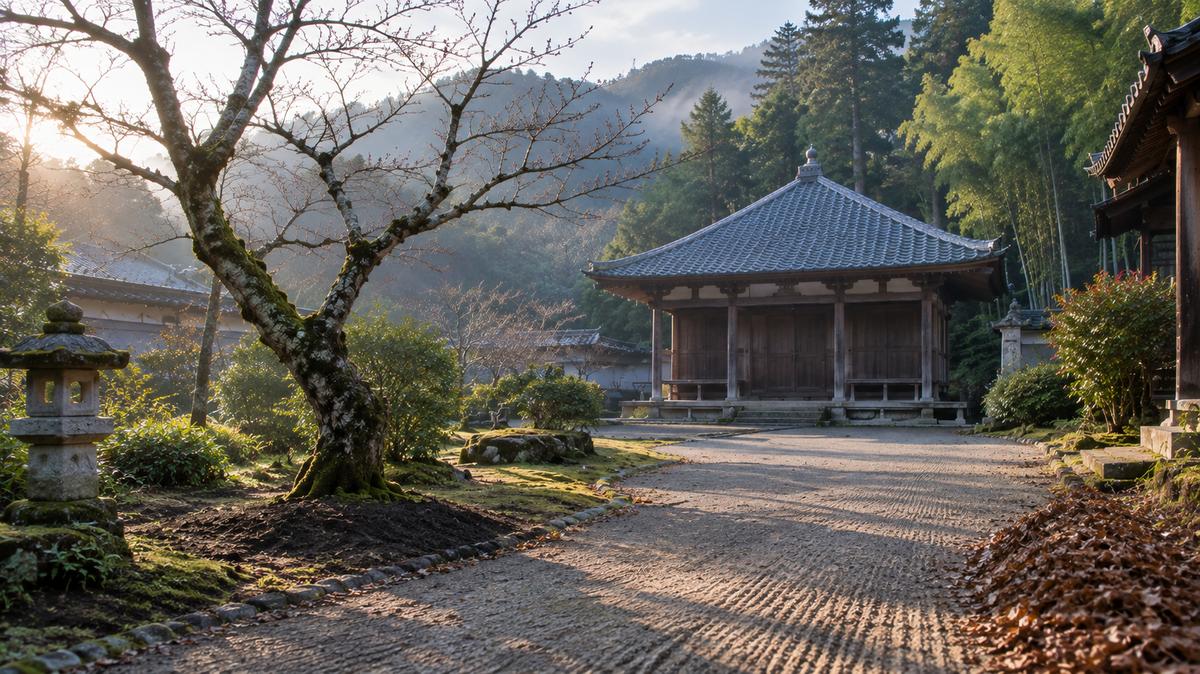 Word 064
"It Is in the 'Process' That Life's True Richness Lies."
Daian-ji (Nara City), The process is everyday life itself, and therefore, life itself.
Read more →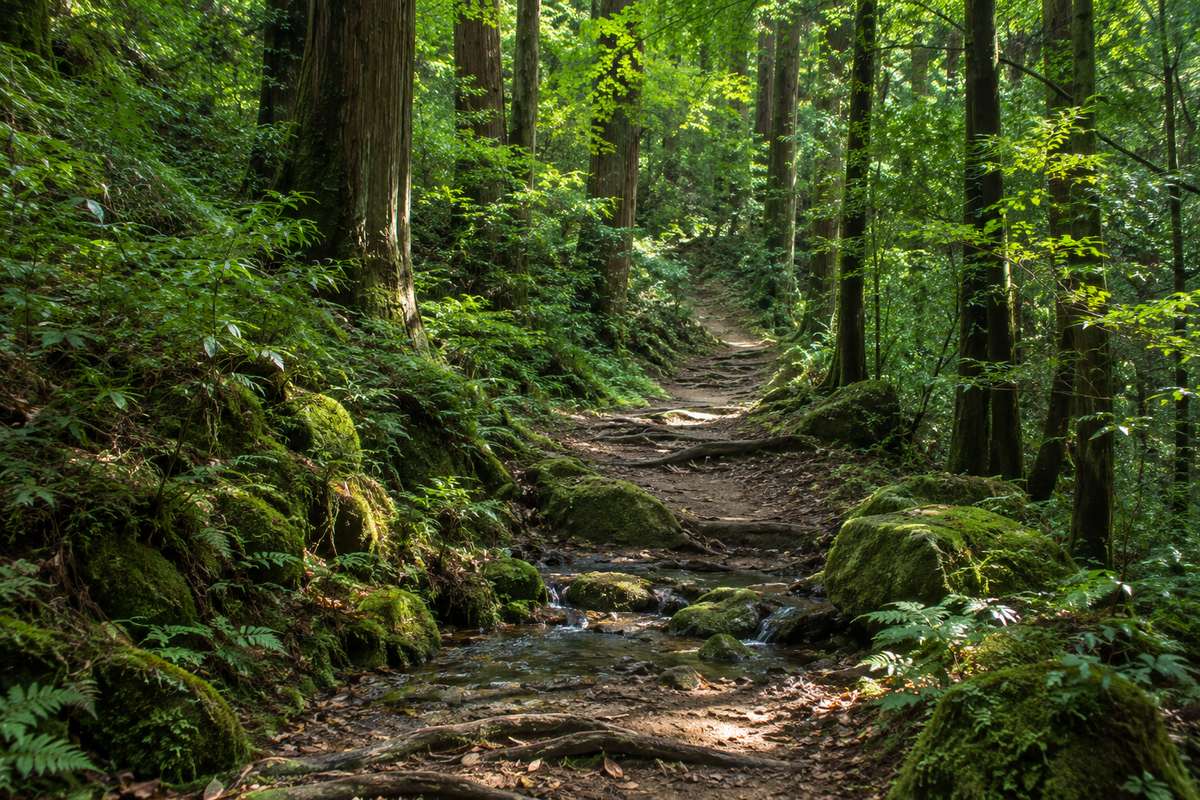 Word 063
"What if you could suddenly do anything — a truly all-powerful person?"
Yagyu Kaido (Eastern Nara), The process of transforming inability into ability through your own effort. That is what makes it exciting!!
Read more →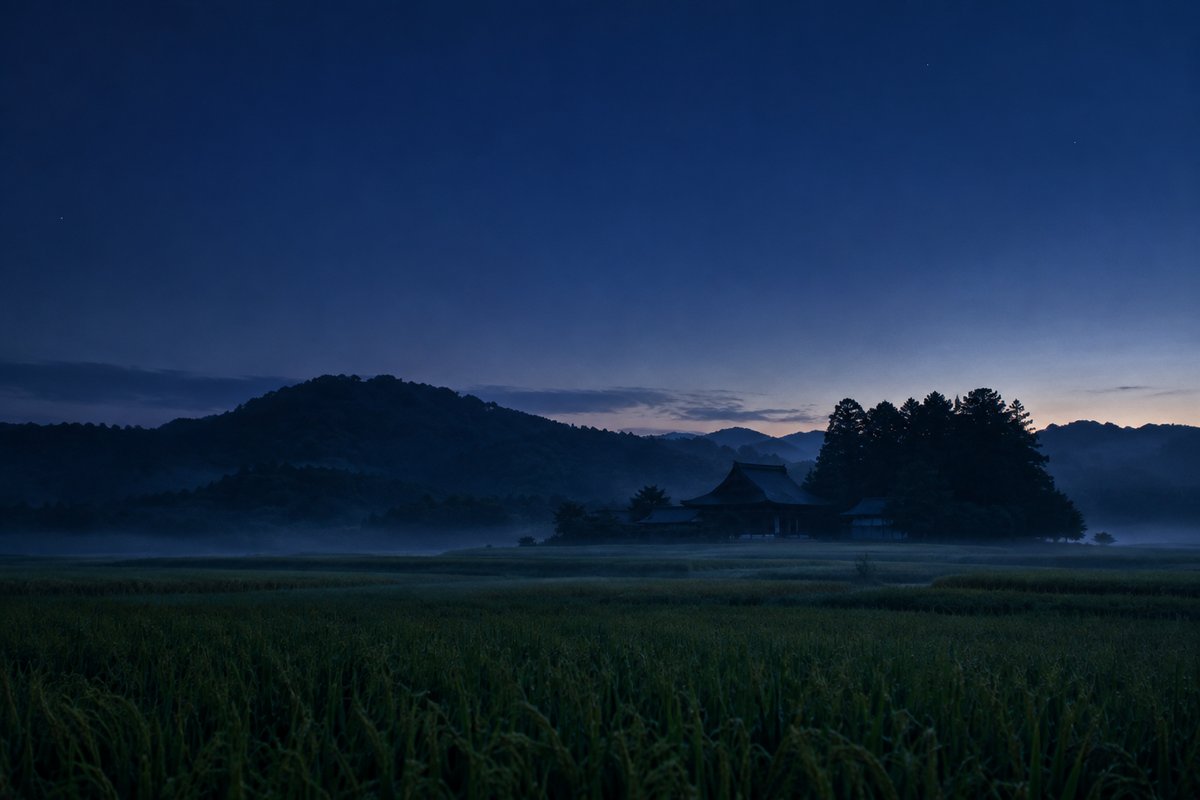 Word 062
"What has form will eventually break. Nothing in this world lasts forever."
Asuka-dera Temple (Asuka Village), There is no need to fear it. No night goes on without end. The darkest hour comes just before the dawn.
Read more →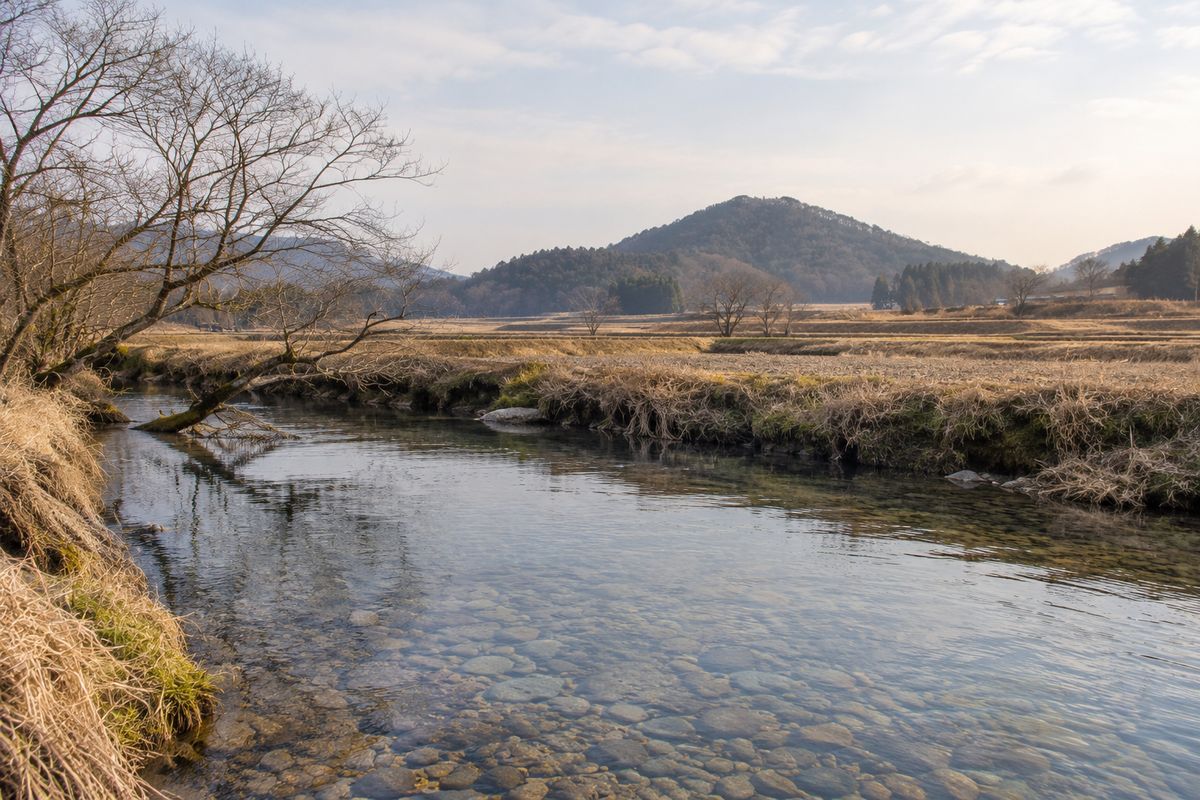 Word 061
"Things have been so turbulent lately. It used to be so peaceful..."
By the Asuka River, change is the norm, the law of nature. A peaceful, quiet day is actually the exception, a quiet miracle.
Read more →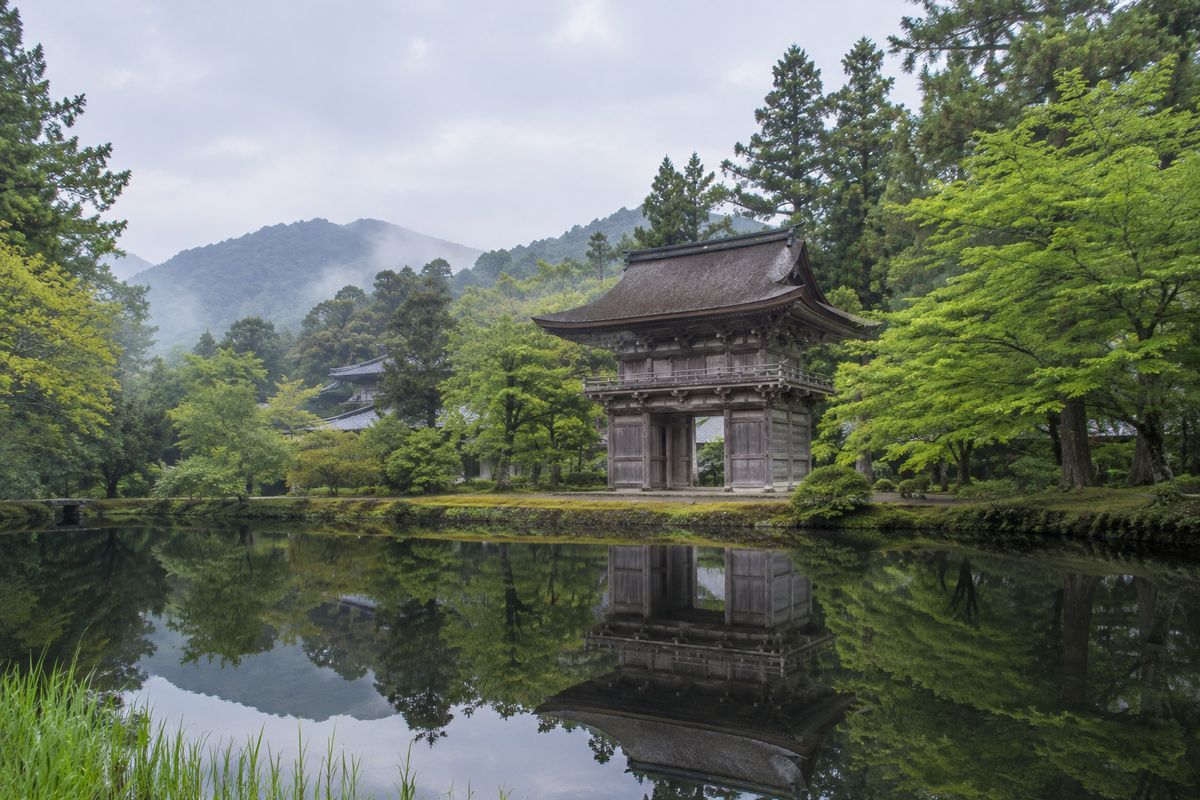 Word 060
A Recommendation for 'Subtraction' from Time to Time.
In the stillness of Enjō-ji, if all that 'Addition' has you feeling weighed down, why not try a little 'Subtraction.'
Read more →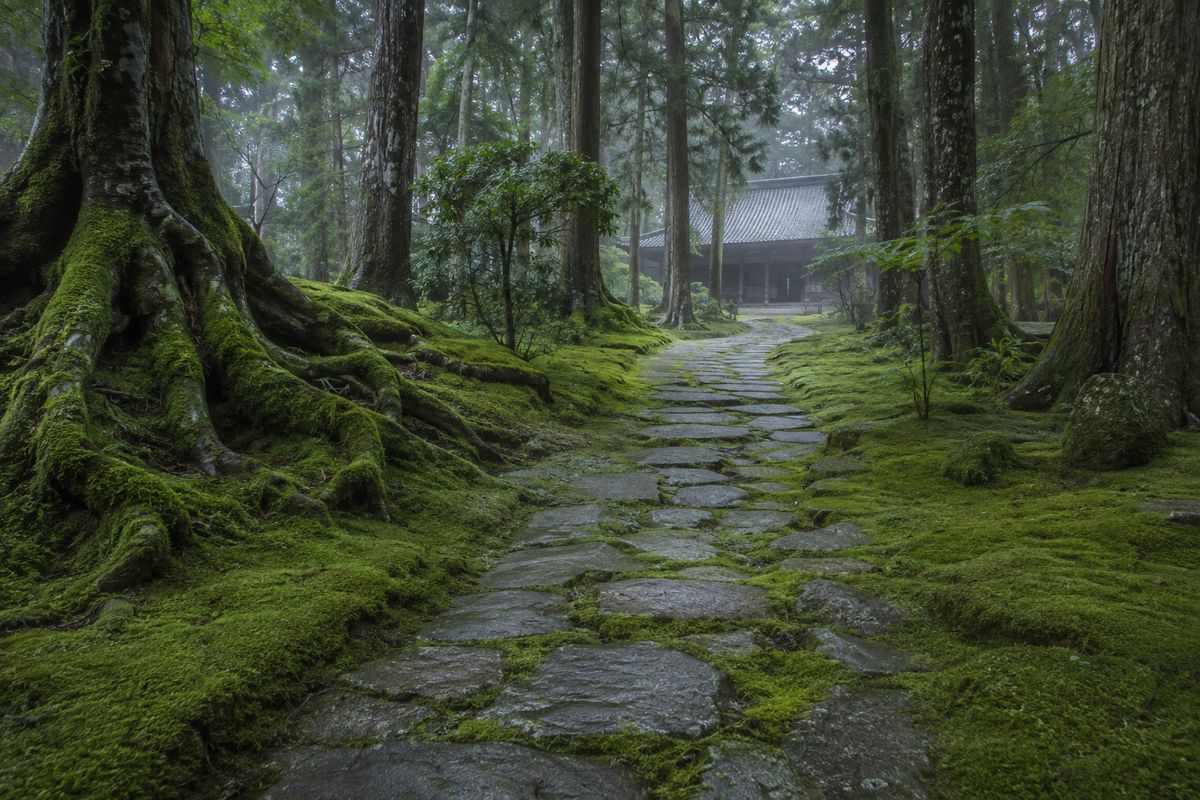 Word 059
What matters is 'Patience and Perseverance.'
Among the moss-covered stones of Akishino-dera temple, rushing things tears the muscle. What truly matters is patience and perseverance.
Read more →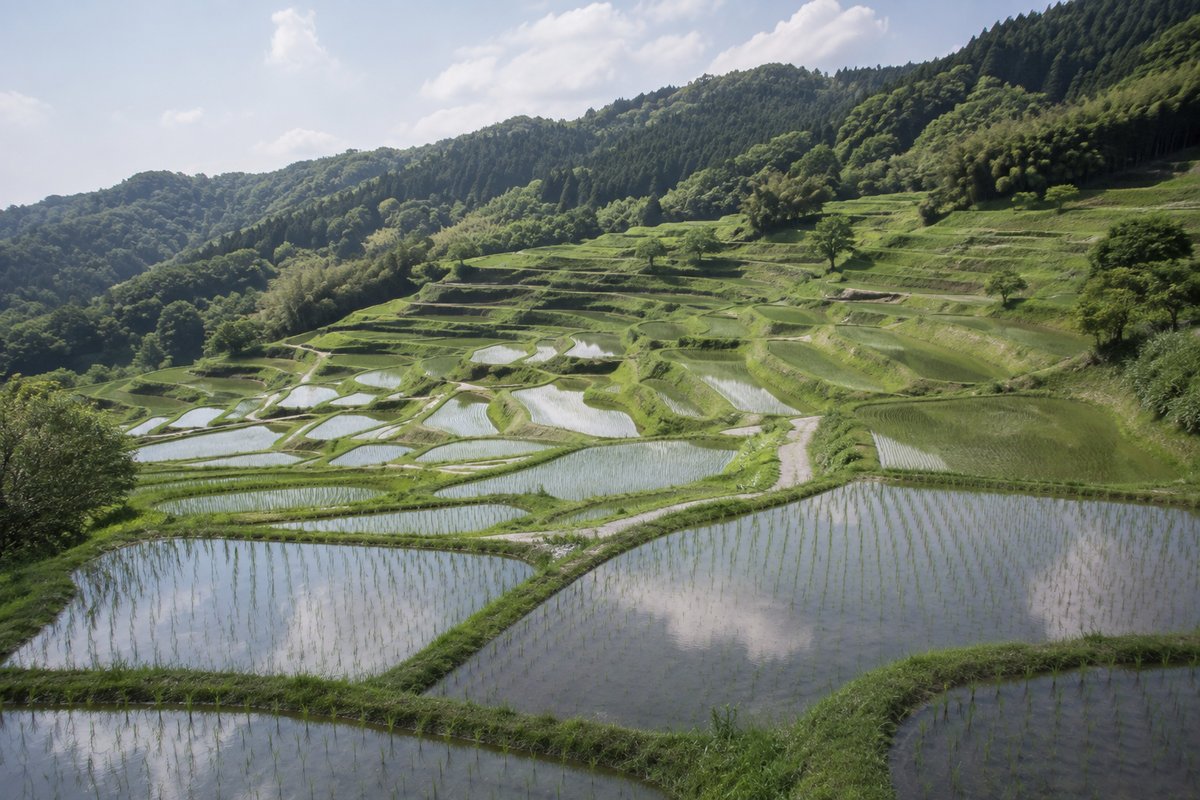 Word 058
Living by "Zeze-Hihi" makes life considerably easier.
Among the terraced paddies of Inabuchi in Asuka Village, Zeze-Hihi is not sitting on the fence. It is flexibility. It is a balanced way of living.
Read more →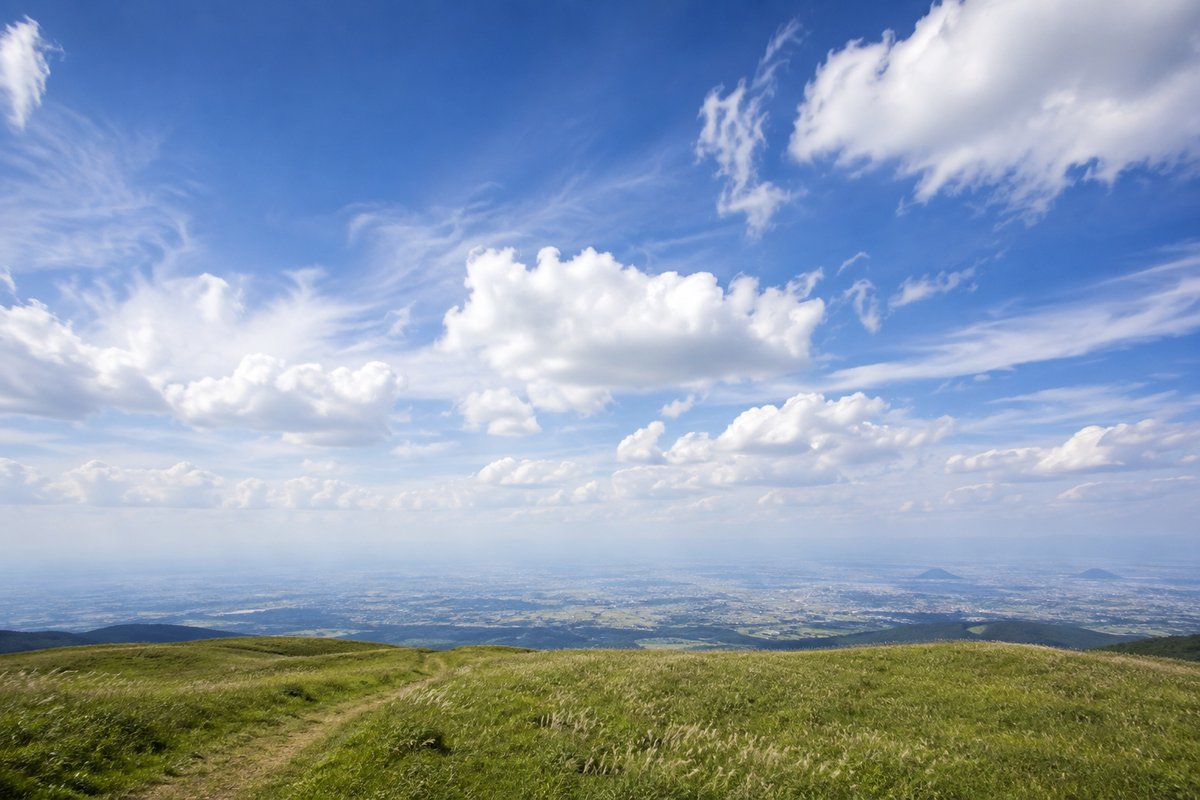 Word 057
We are each a pilot, navigating our own life.
On the summit of Katsuragi Mountain, overlooking Nara and Osaka, what course you take is yours to decide. There is no map. Draw it freely, as you choose.
Read more →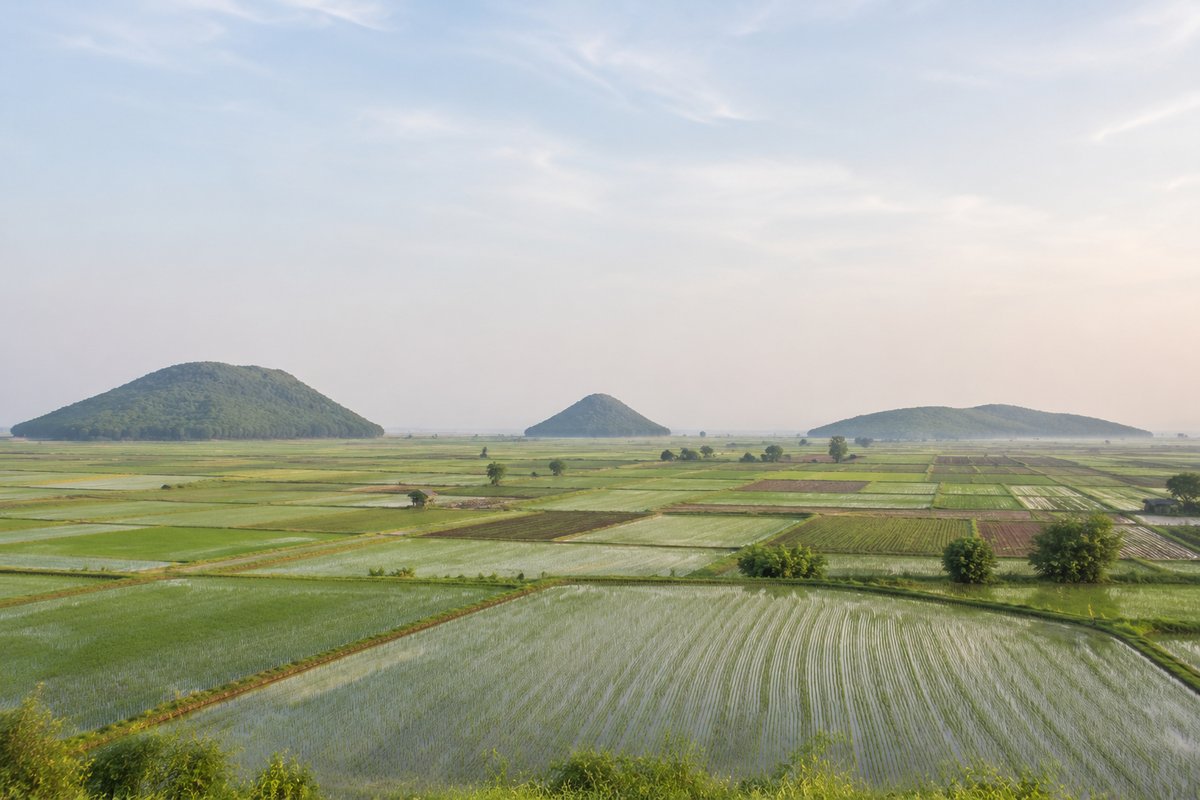 Word 056
Never judge others by your own standards.
At the Yamato Sanzan, three mountains, each with its own shape and height, standing as they are. By instinct we measure others against ourselves. But others are others, and you are you. Simply respect both.
Read more →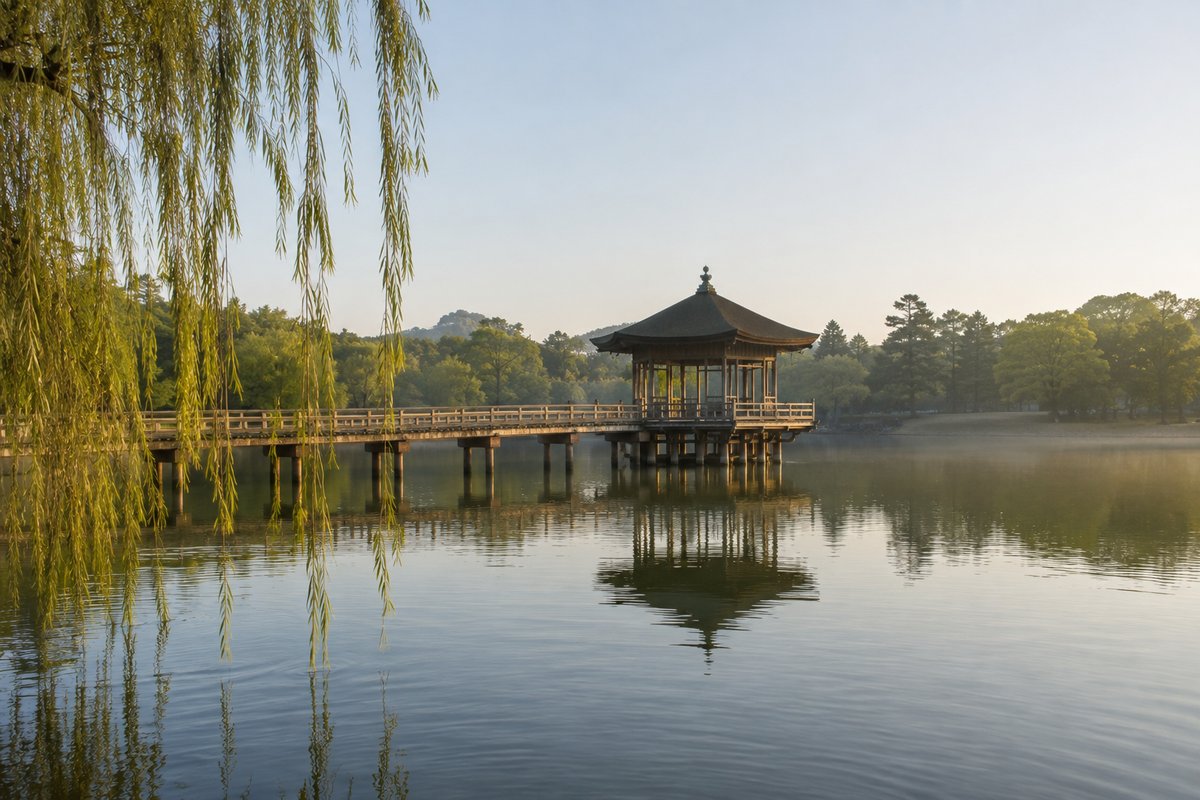 Word 055
Live Each Ordinary Day with the Spirit of "Ichigo Ichie"
At Ukimido Pavilion on Sagi-ike Pond in Nara Park, the people, paths, and places of daily life may be gone without warning. Live each ordinary moment as a once-in-a-lifetime encounter.
Read more →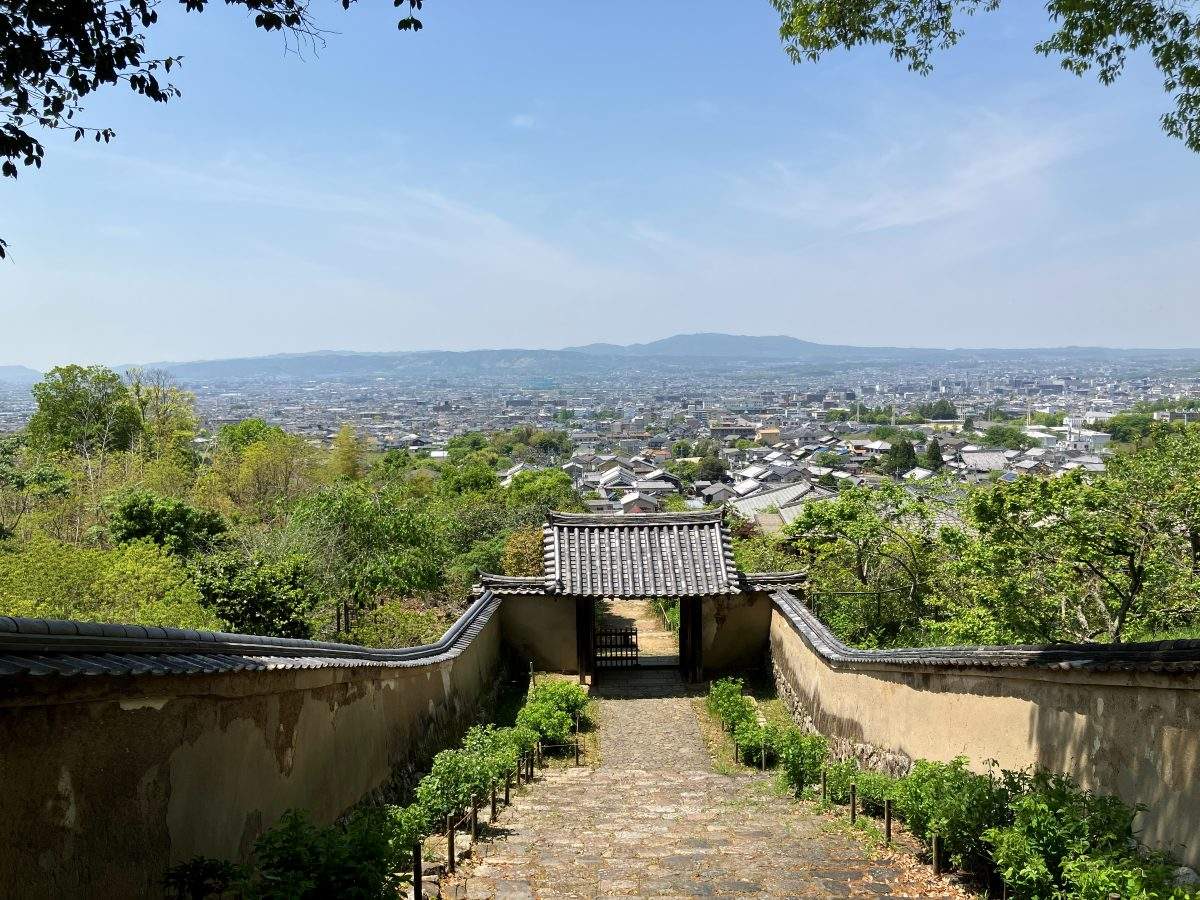 Word 054
"That Is Why Companions Are Precious."
At Byakugoji Temple, looking out over Nara City, we are born alone and leave alone. That is precisely why companions are precious. Respect and cherish those around you.
Read more →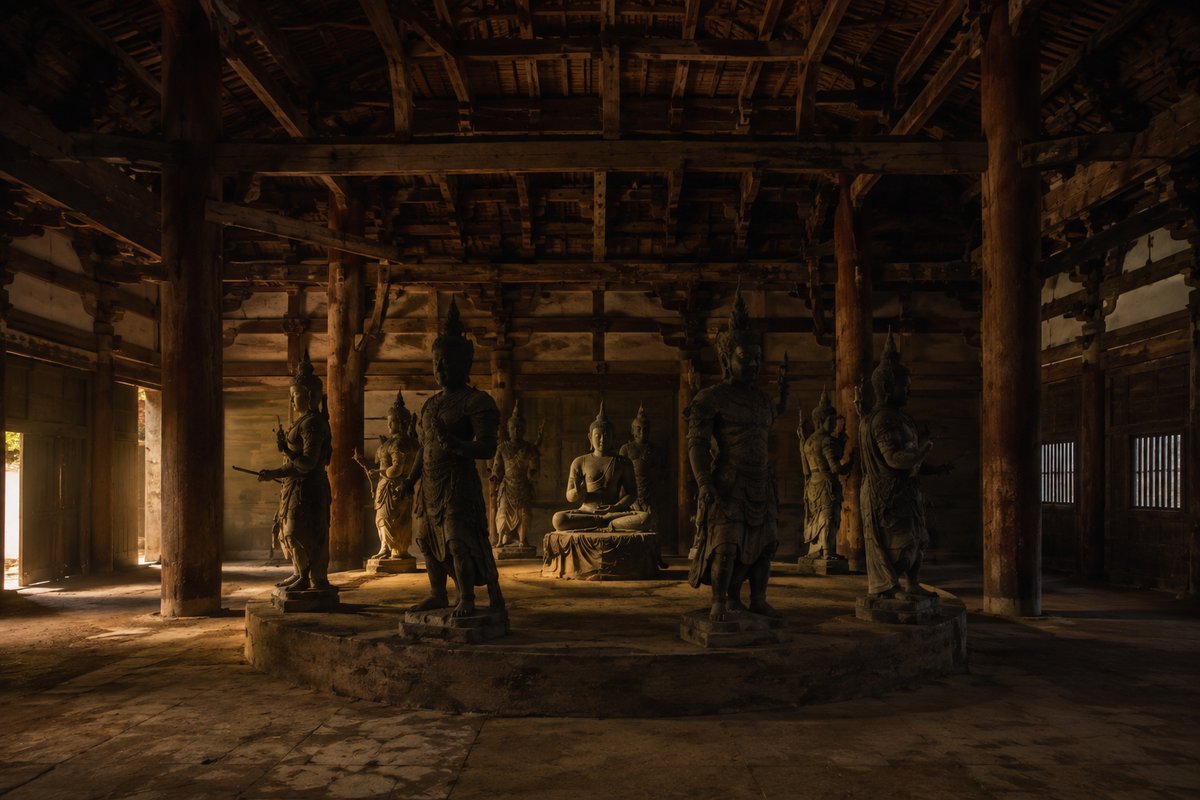 Word 053
"Don't Live Someone Else's Life"
At Shin-Yakushi-ji's twelve divine generals, don't try to meet others' expectations. Don't expect others to follow your will. Just this makes life dramatically easier.
Read more →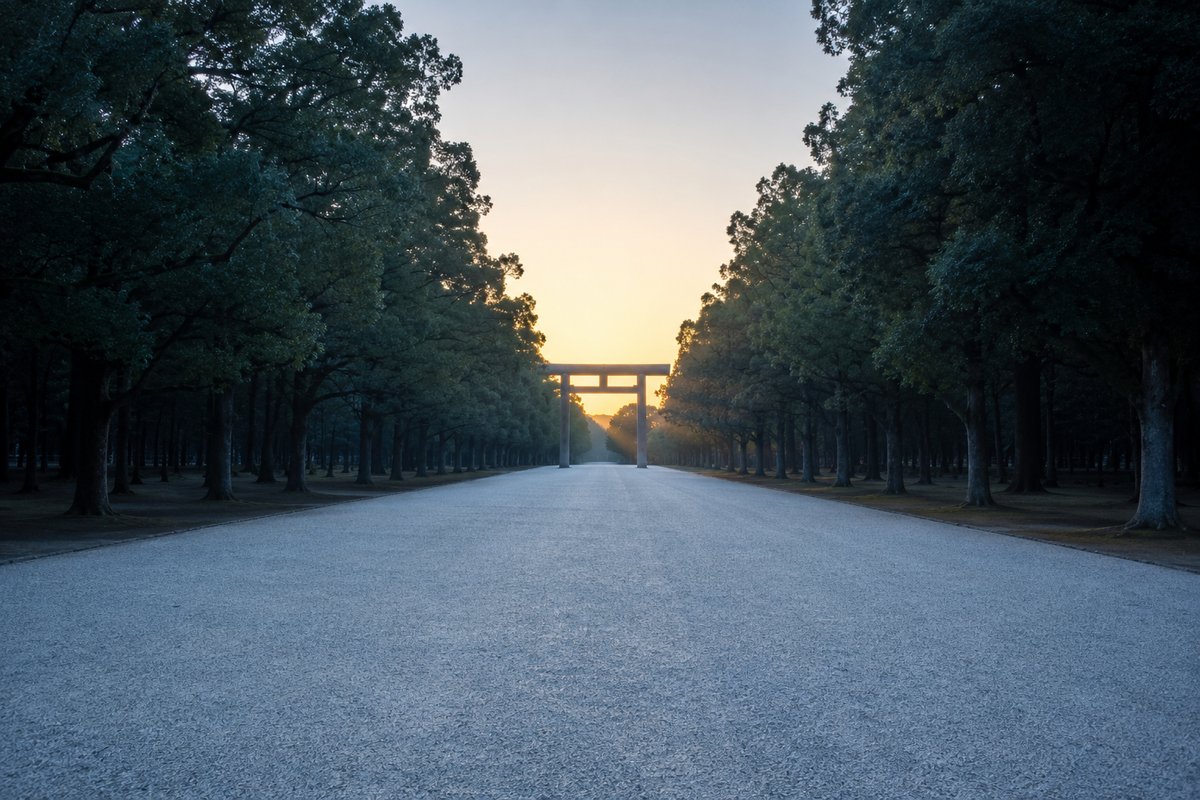 Word 052
"Today, I woke up safely once again."
At dawn in Kashihara Jingu, waking up is the same as being born anew. Happy new birthday, everyone!!
Read more →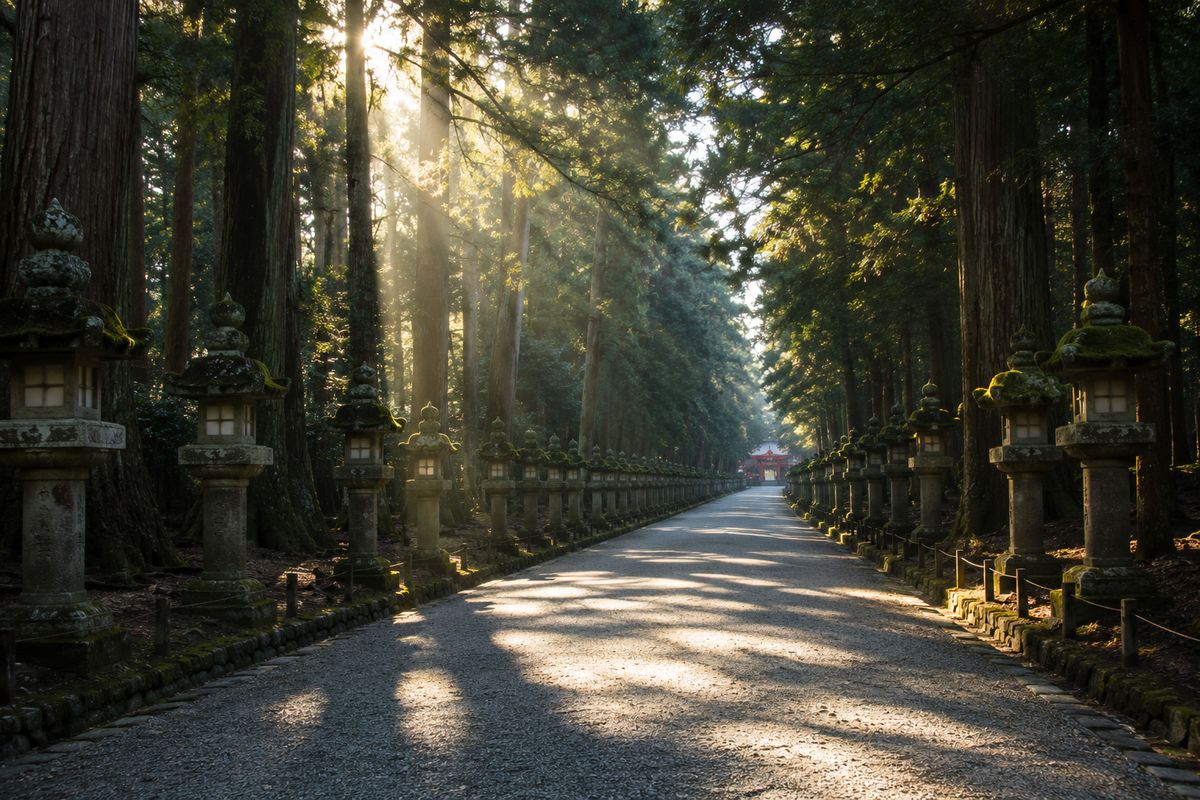 Word 051
"Light and Shadow. Sun and Shade."
On the approach to Kasuga Shrine, what you focus on is up to you.
Read more →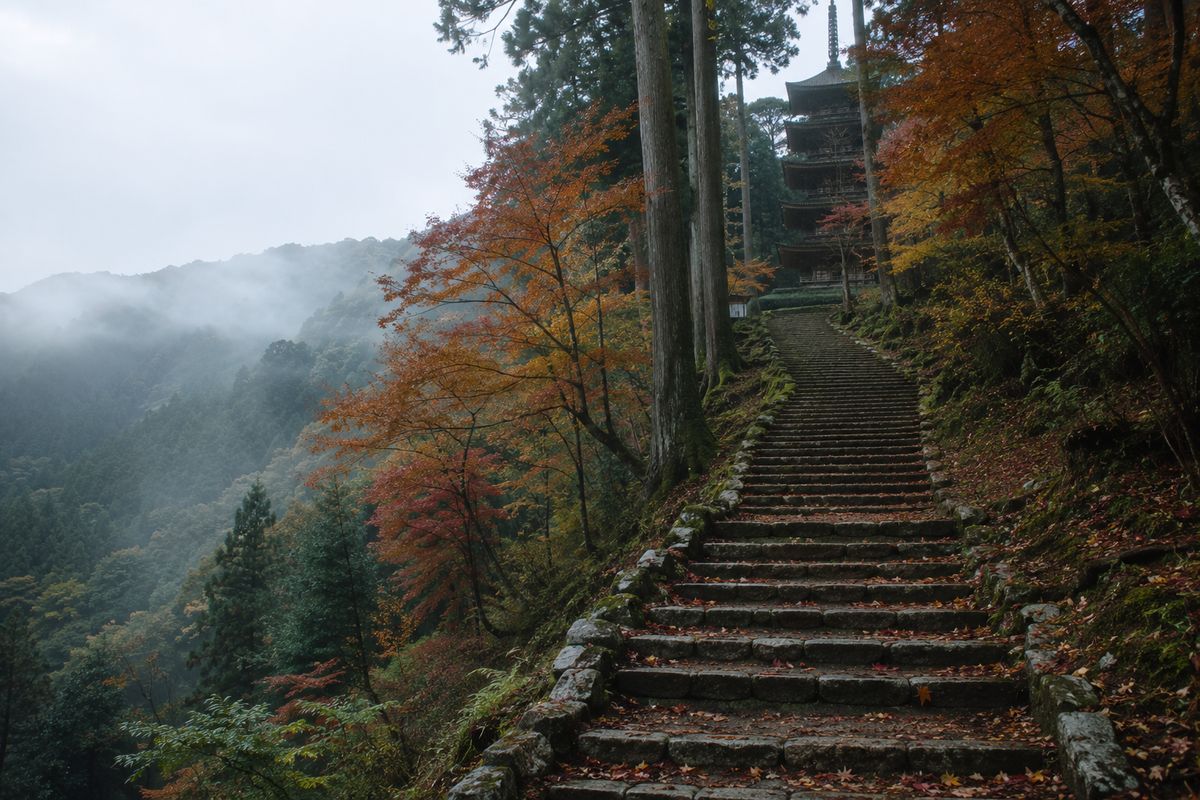 Word 050
"A Journey of a Thousand Miles Begins with a Single Step."
On the stone steps of Tanzan Shrine, the key is to start small.
Read more →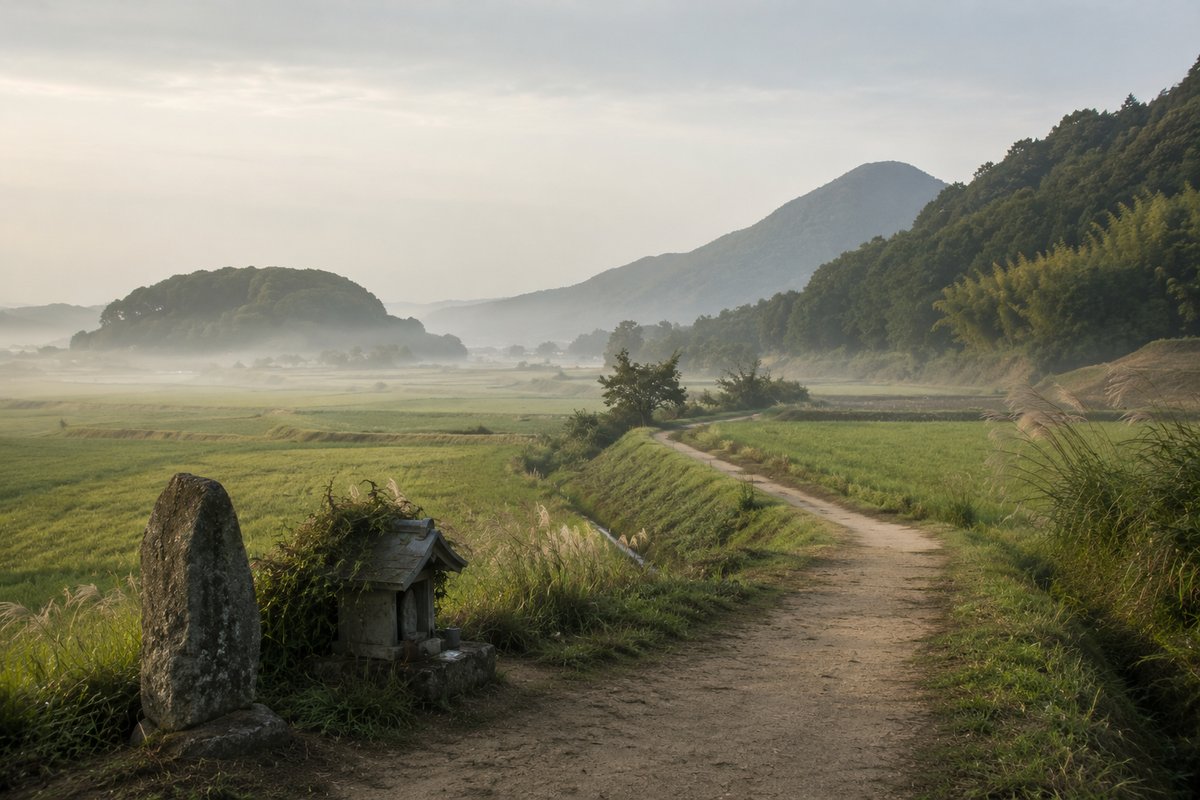 Word 049
"Enjoy This Irreplaceable Now."
On the Yamanobe no Michi, one of Japan's oldest roads. The process itself is the essence of the journey, and of life.
Read more →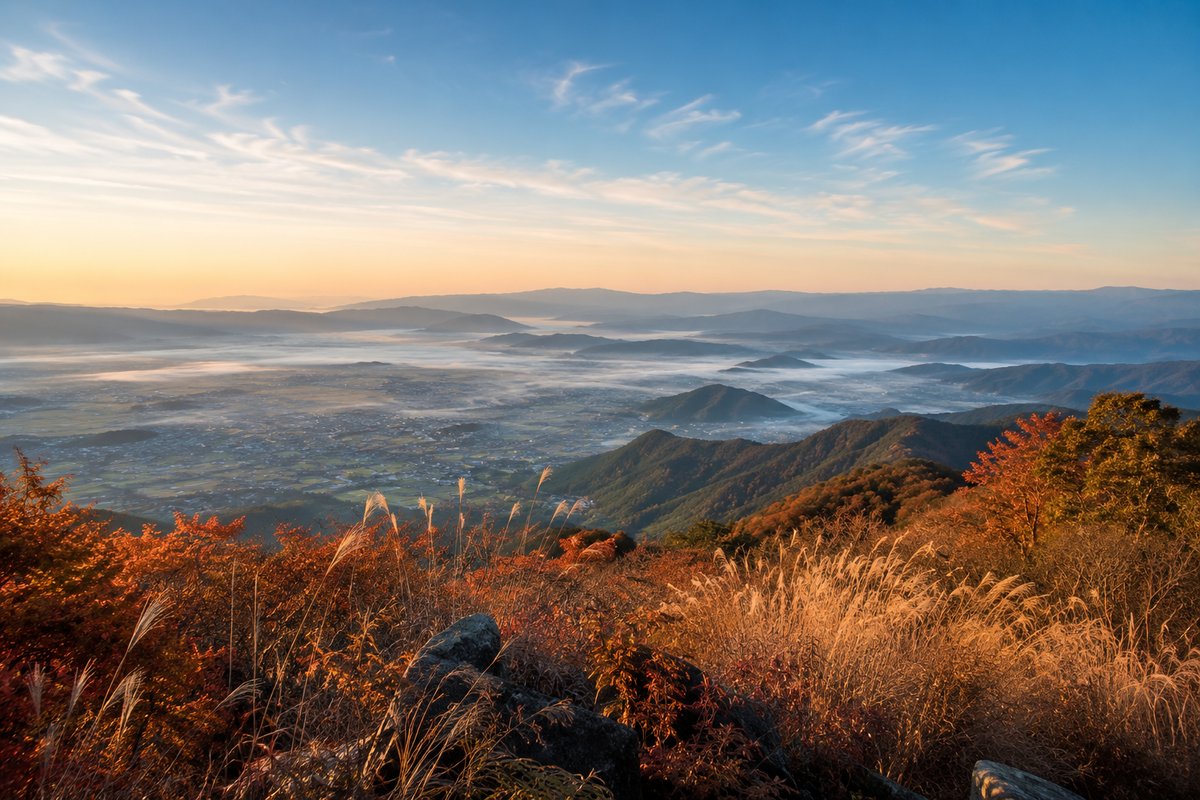 Word 048
"Step Out of the Cage."
On Mount Torimi, from the 735m summit, the roads below look like thin threads in the Yamato Basin.
Read more →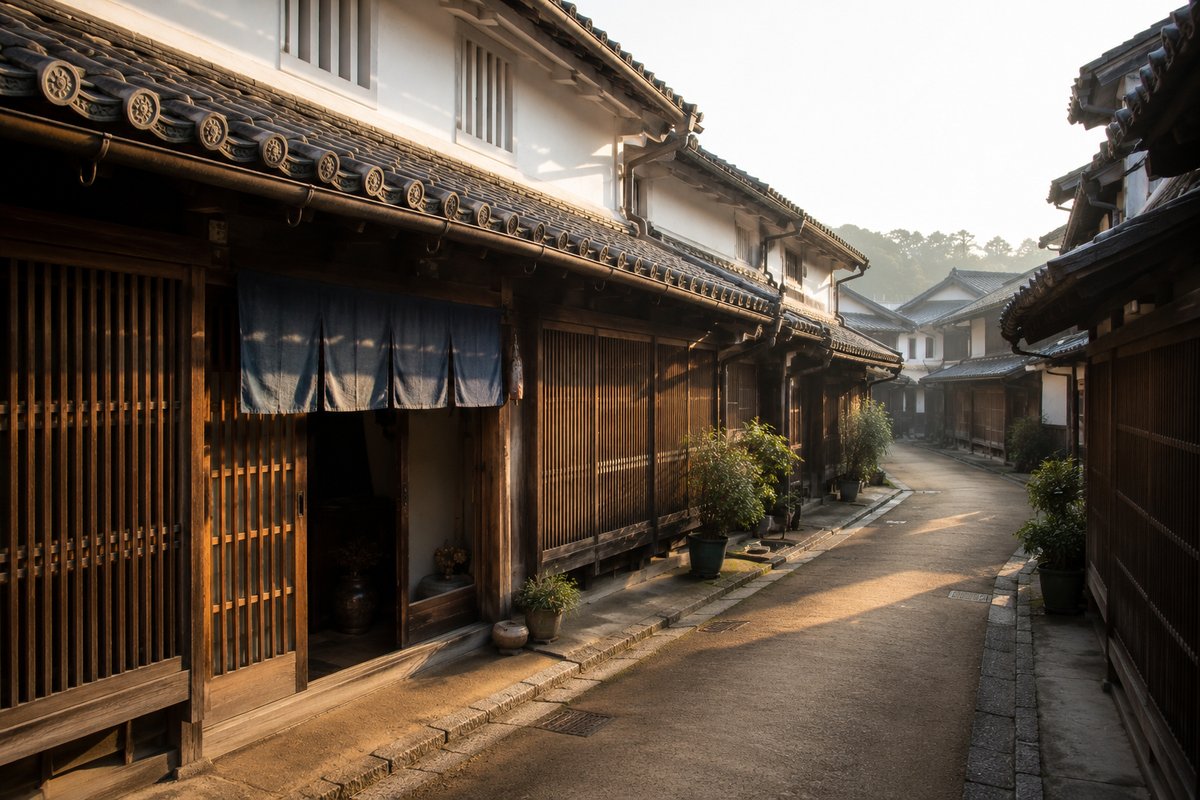 Word 047
"Let me write a letter to that person."
In Imai-cho, where Edo-era lattice doors still line the lanes, time moves at a different pace.
Read more →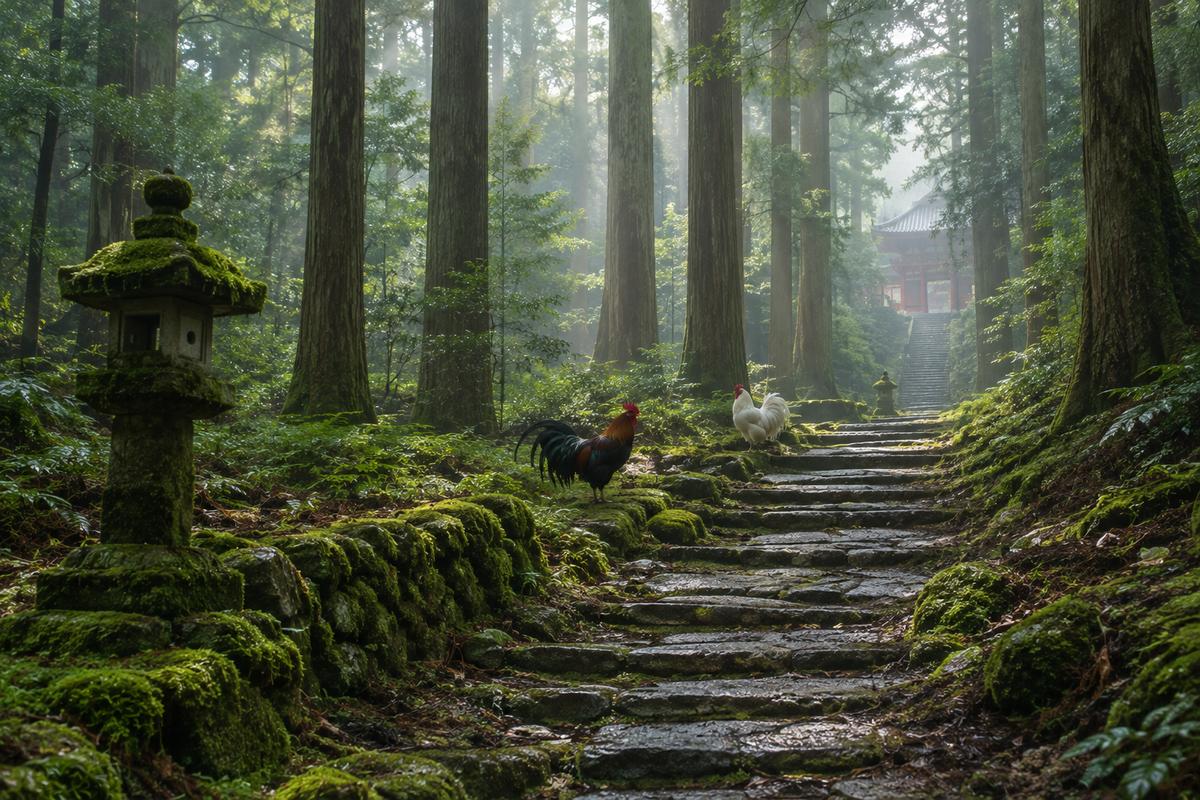 Word 046
"I Haven't Done Anything to Contribute..."
At Isonokami Shrine, deep in an ancient grove, the sacred messengers walk unhurried.
Read more →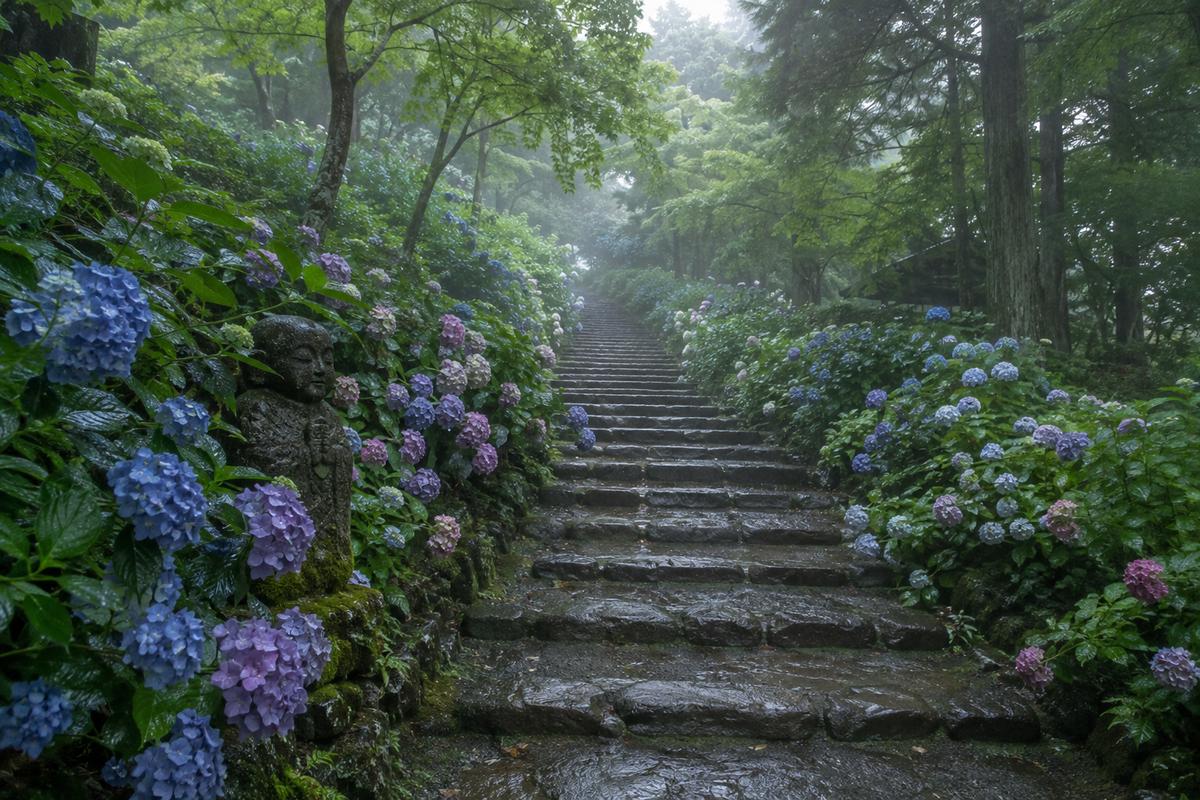 Word 045
"We become happy because we smile."
At Yata-dera Temple, ten thousand hydrangeas bloom quietly in the June rain.
Read more →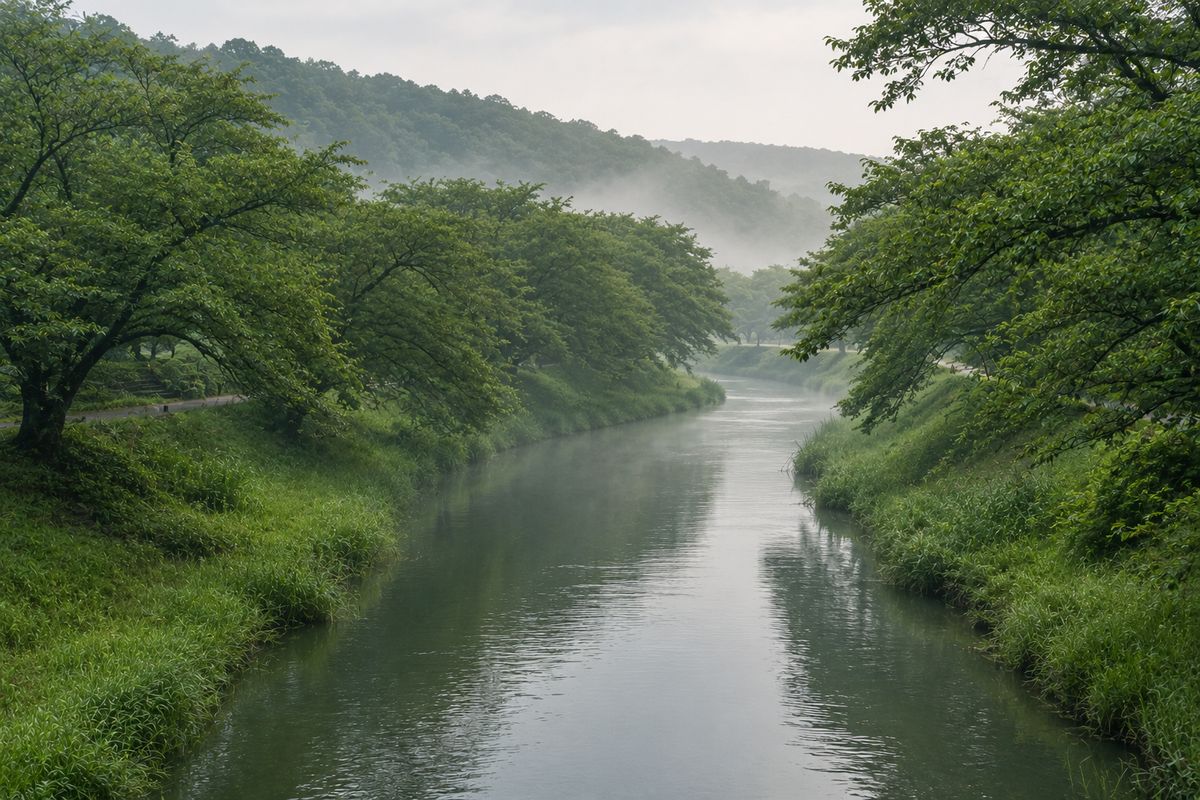 Word 044
Nothing Is Accidental. Everything Is Inevitable.
At the Saho River, the water flows unbroken, from mountain rain to the sea.
Read more →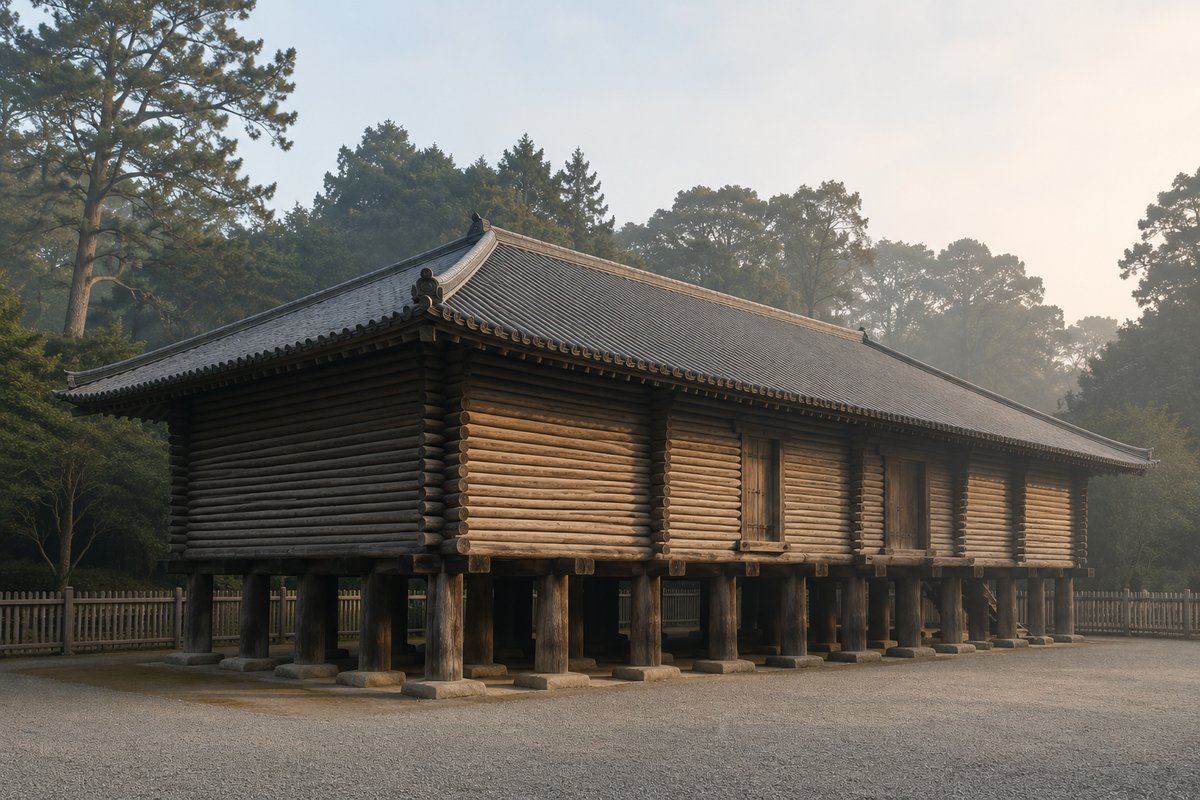 Word 043
When We Let Go of Attachment to Gain and Loss — On Richness of the Heart
At Shōsō-in, treasures kept not as possessions, but as gifts for those who come after.
Read more →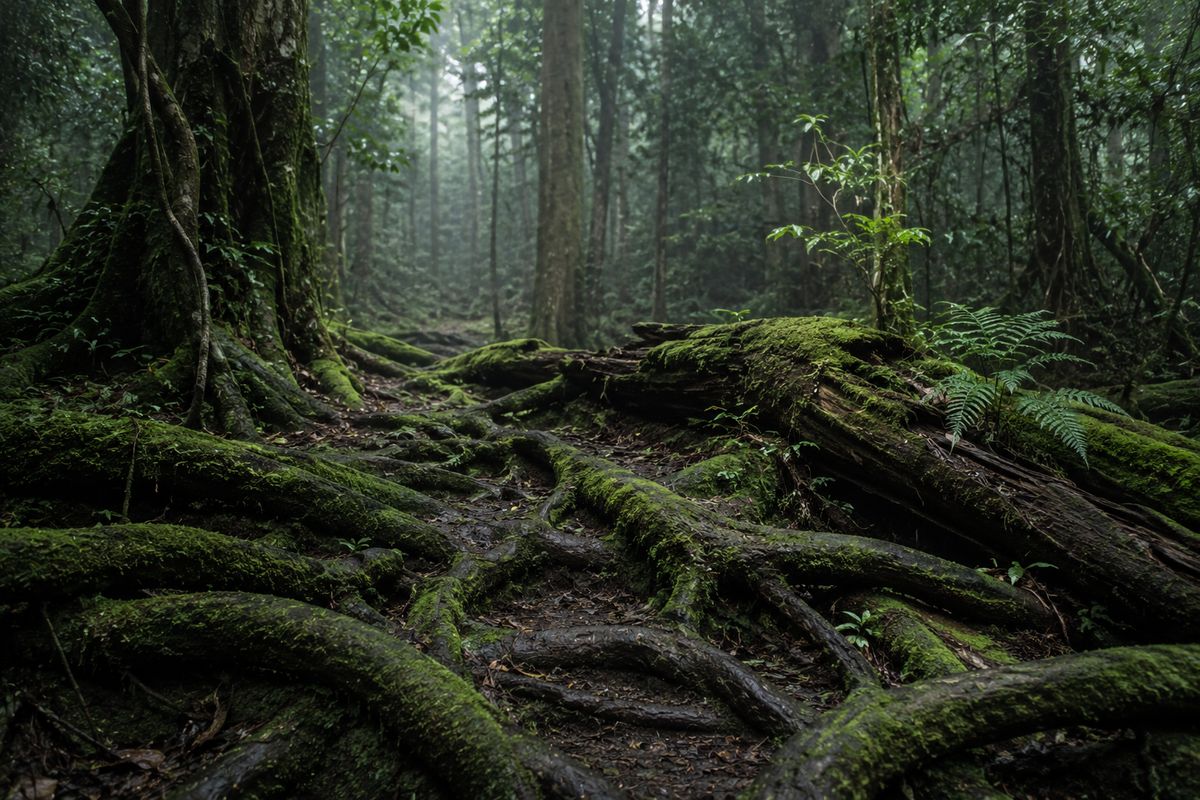 Word 042
Simply by Existing, You Are Genuinely Contributing.
In the Kasugayama primeval forest, an invisible web quietly holds everything together.
Read more →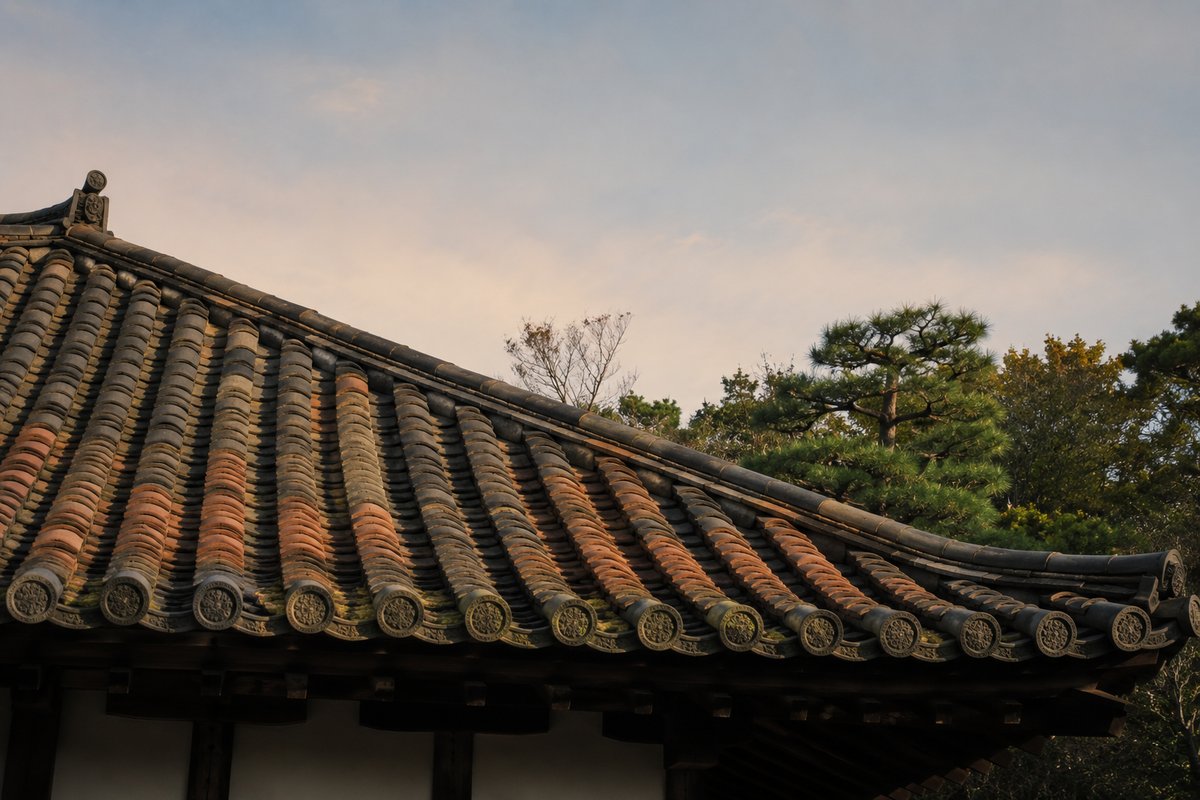 Word 041
No Precedent? Then Become One.
At Gango-ji, Naramachi, tiles that have simply been there for 1,300 years.
Read more →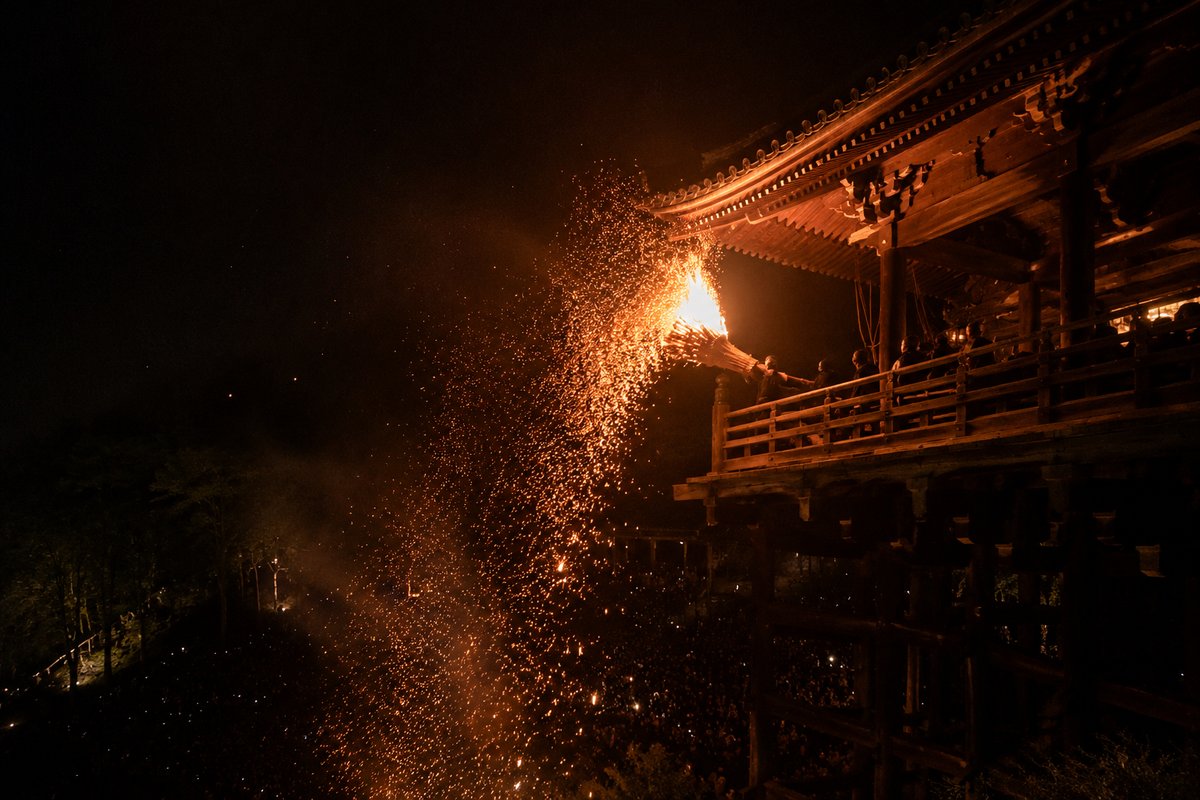 Word 040
Could You Say "I Have No Regrets in My Life"?
At Nigatsudō, Tōdai-ji, what the sparks of a torch teach us.
Read more →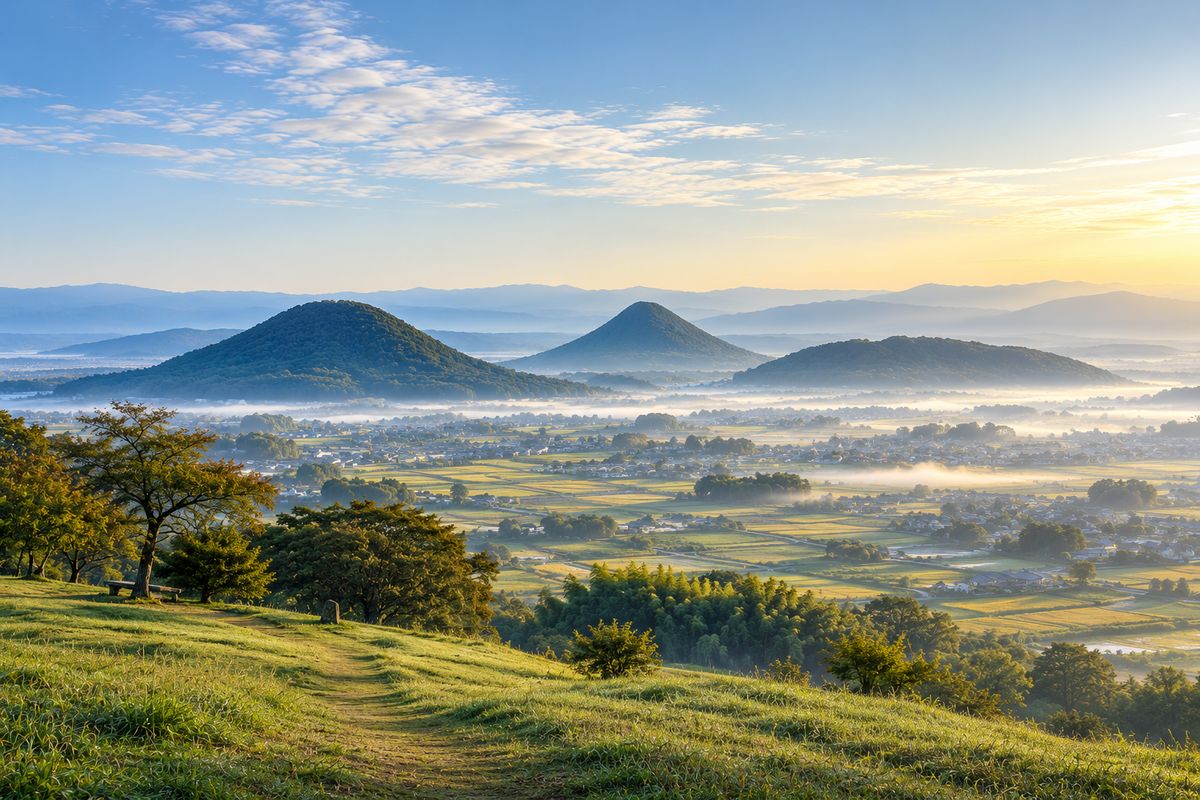 Word 039
Step Back to See the Bigger Picture
On Amazukaoka hill in Asuka, a wider view makes troubles look small.
Read more →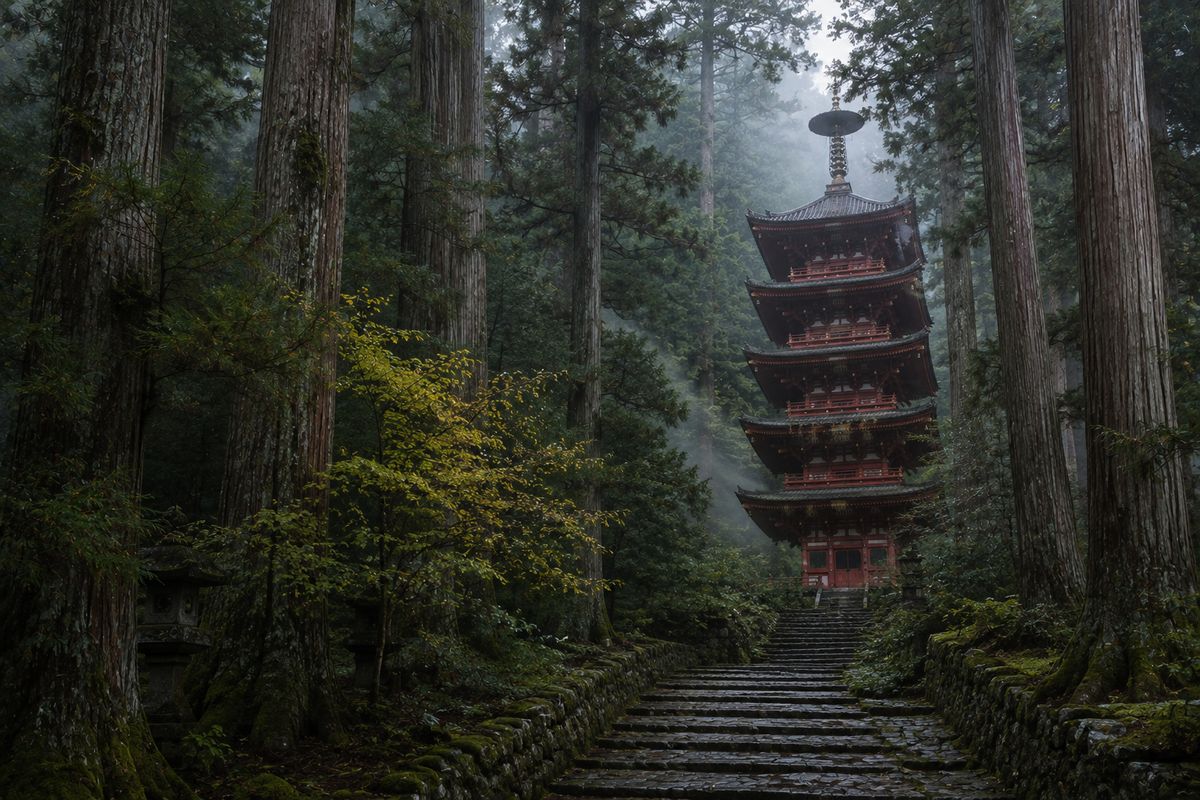 Word 038
What Has Form Will One Day Crumble — A New Creation Begins
Before the pagoda of Muroji, crumbling is not an ending.
Read more →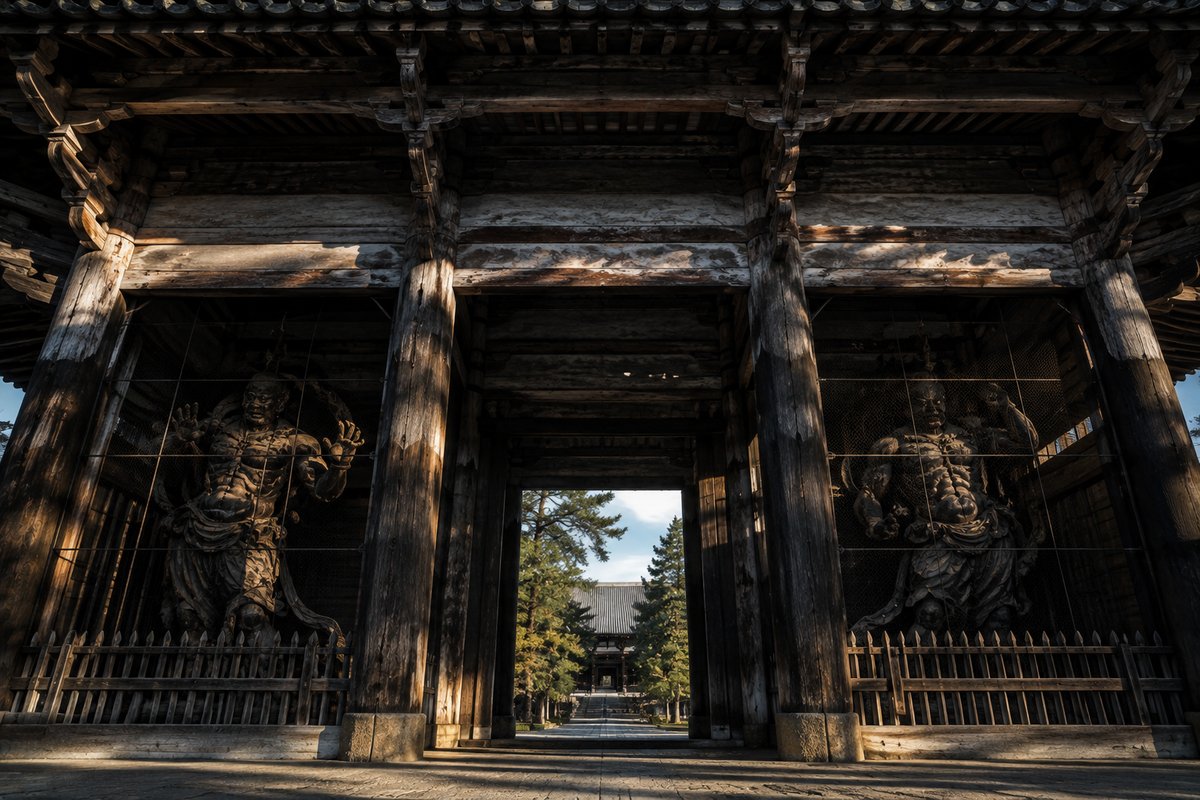 Word 037
Nothing Beats "I Do It Because I Want To" — The Power of Inner Drive
Before the Nio guardians at Tōdai-ji, obligation, or desire?
Read more →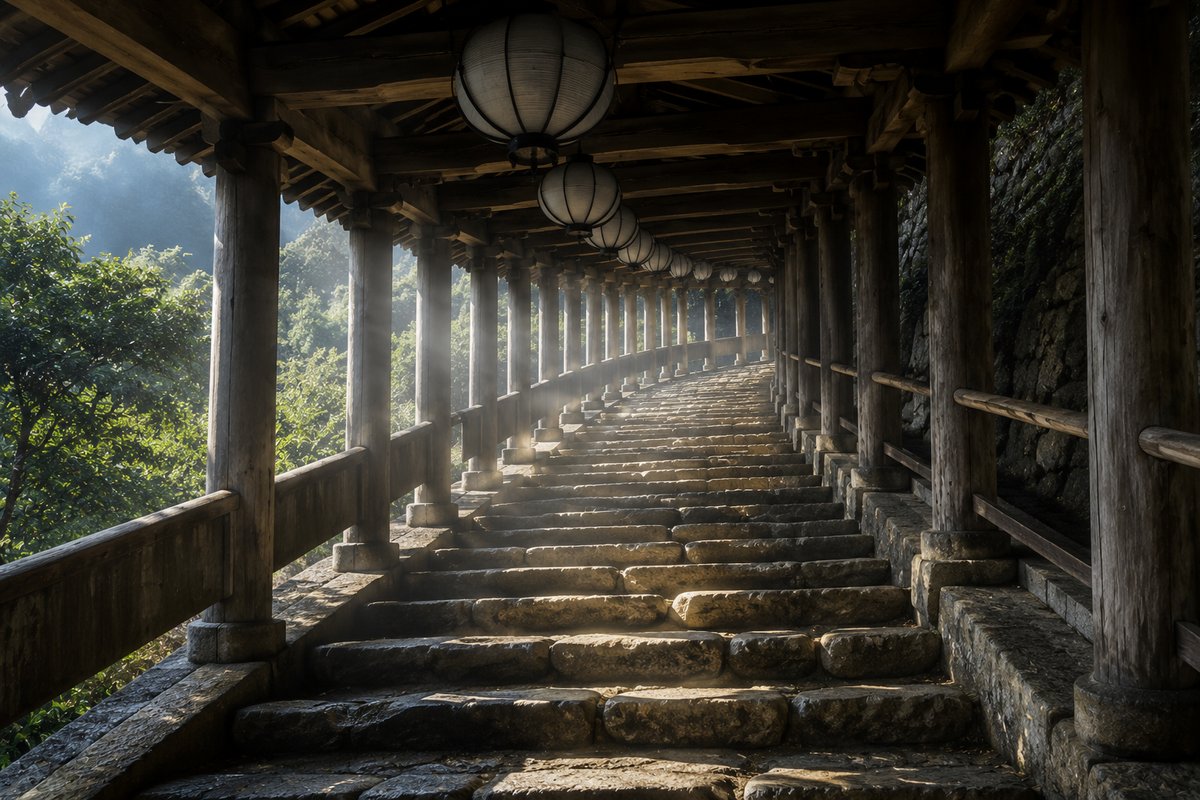 Word 036
Never Aim for "Perfection" — Life Is a Journey of Constant Growth
At Hasedera Temple, walking itself becomes enough.
Read more →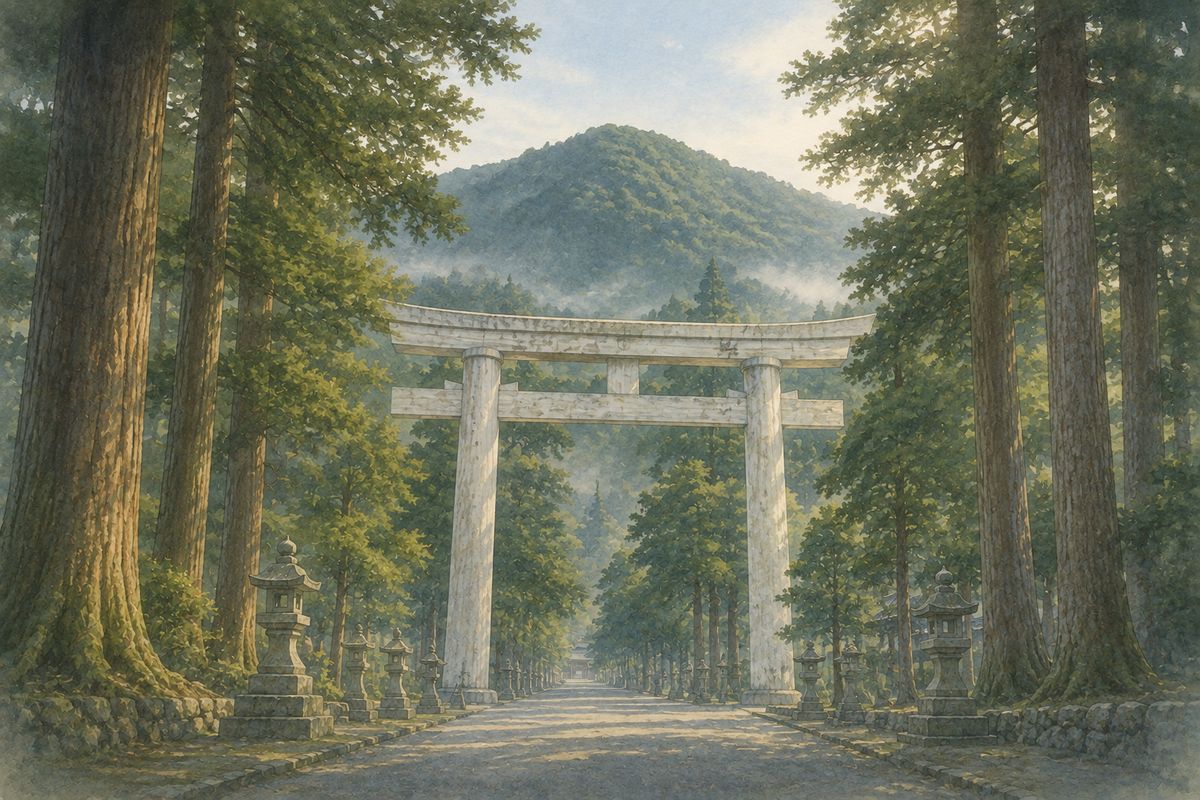 Word 035
Do Not Compare Yourself to Others — Your Brilliance Is Yours Alone
At Ōmiwa Shrine, your brilliance has a color that only you can give to this world.
Read more →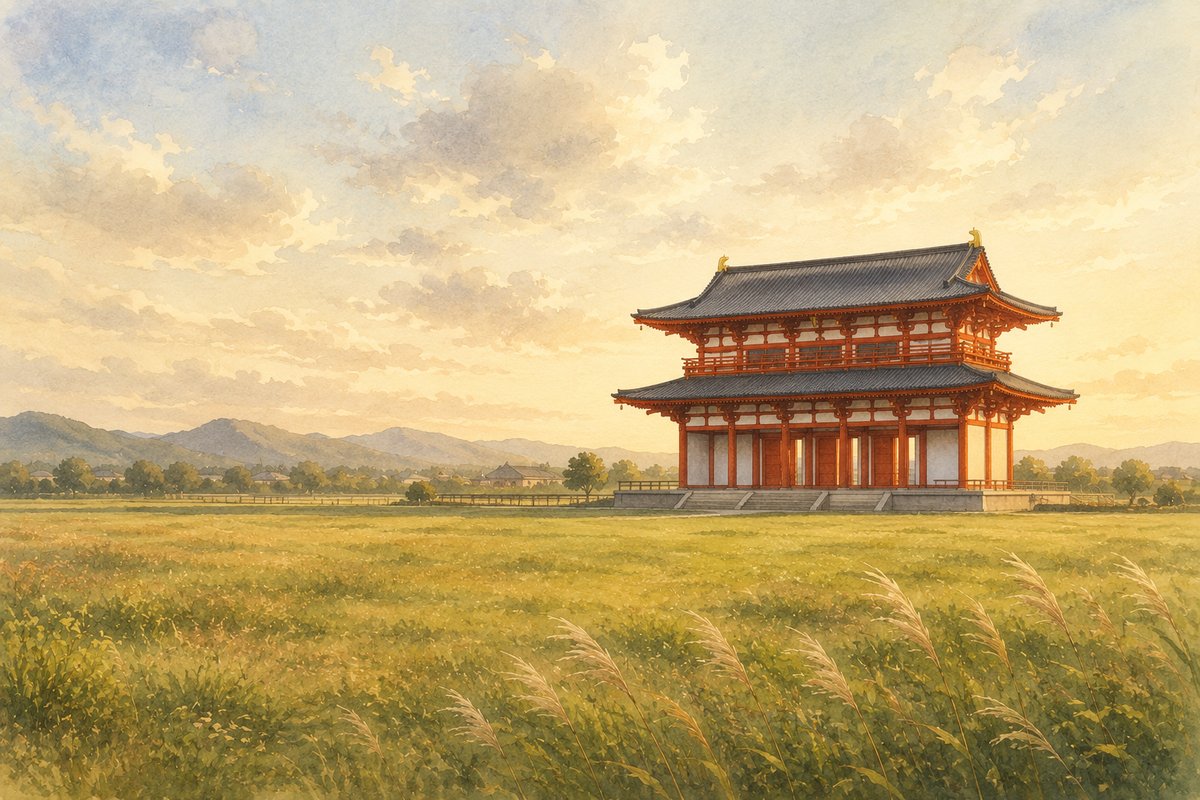 Word 034
Failed Again? Good. — Proof You're Still Moving
At Heijō Palace Site, it's okay to regret. If you can move again tomorrow, that's enough.
Read more →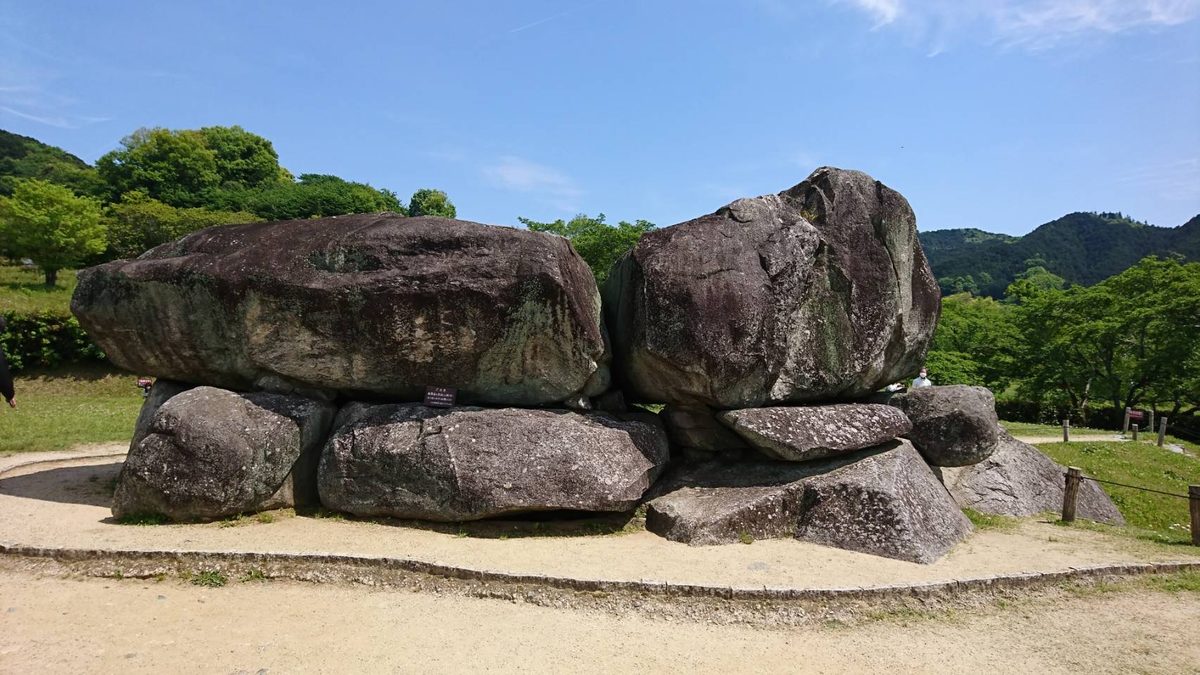 Word 033
Others Are a Mirror of Yourself — In the Stillness of Asuka
In Asuka, the world reflects the colors we bring to it.
Read more →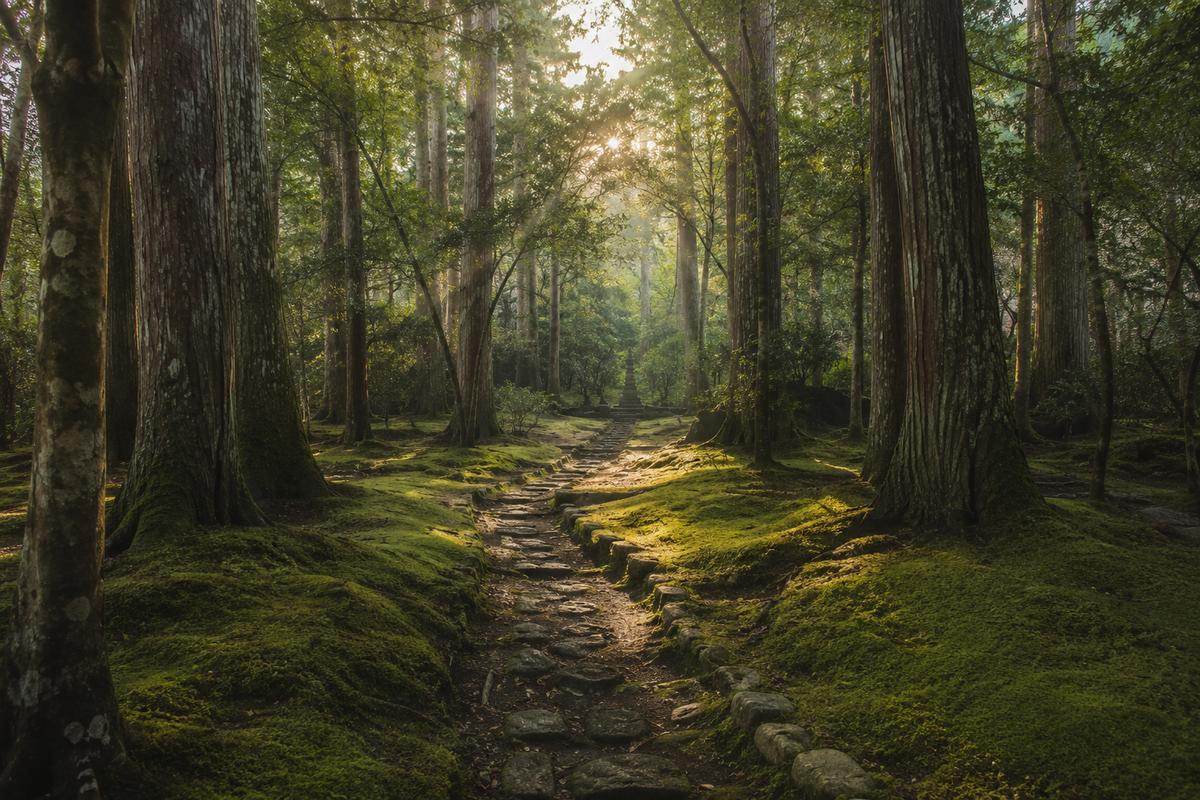 Word 032
You and I Are Connected — At Tōshōdai-ji
At Tōshōdai-ji, giving is not losing, but opening the world wider.
Read more →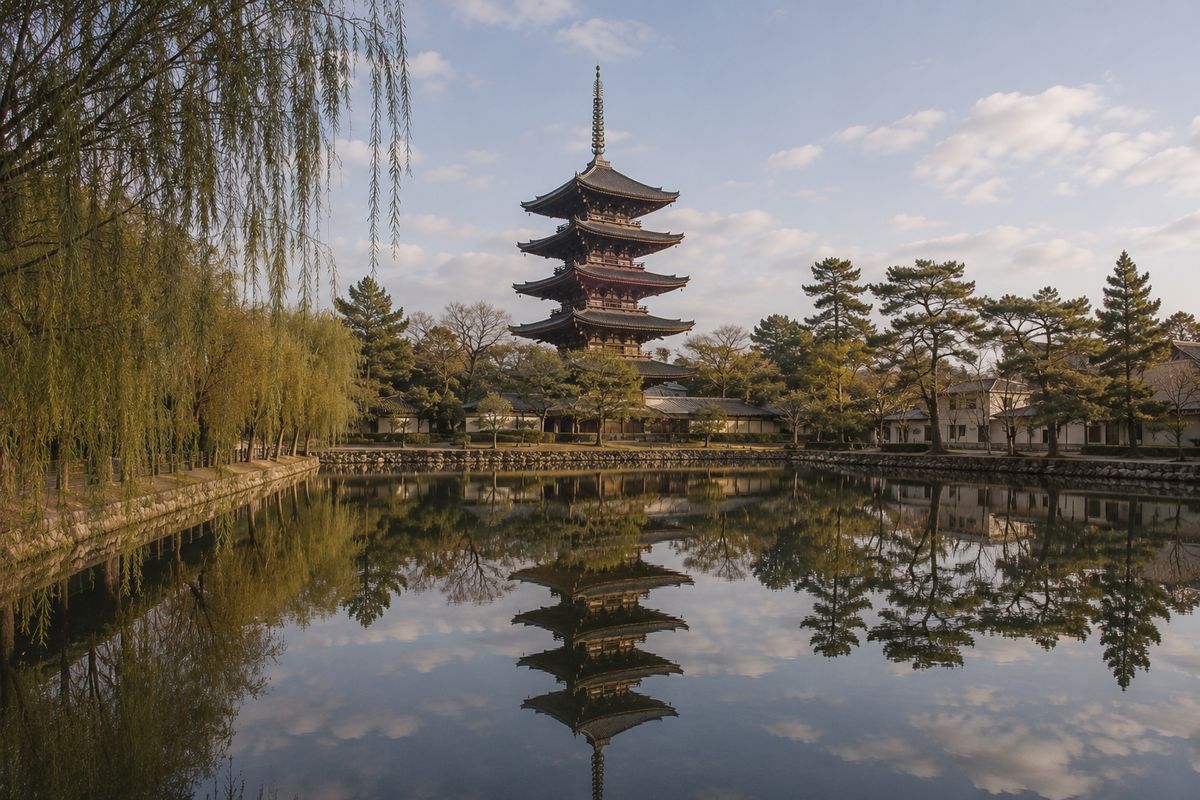 Word 031
When I Let Go of Attachment, Life Began to Change — At Kofukuji's Five-Story Pagoda
At the five-story pagoda of Kofukuji, let go, and feel the breeze return.
Read more →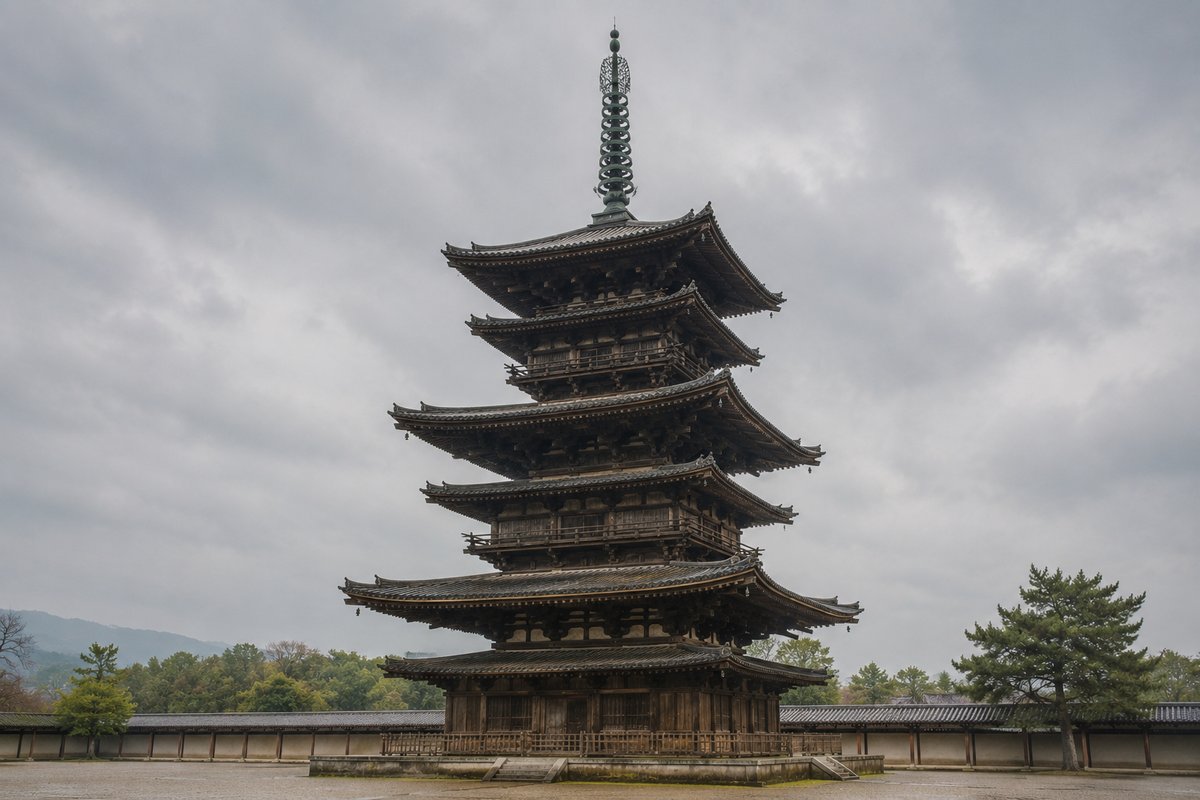 Word 030
If You Can't Enjoy "Now," That Time Will Never Come — Before the East Pagoda of Yakushi-ji
Standing before the East Pagoda of Yakushi-ji, which has endured for over 1,300 years, "Are you living fully in this moment?"
Read more →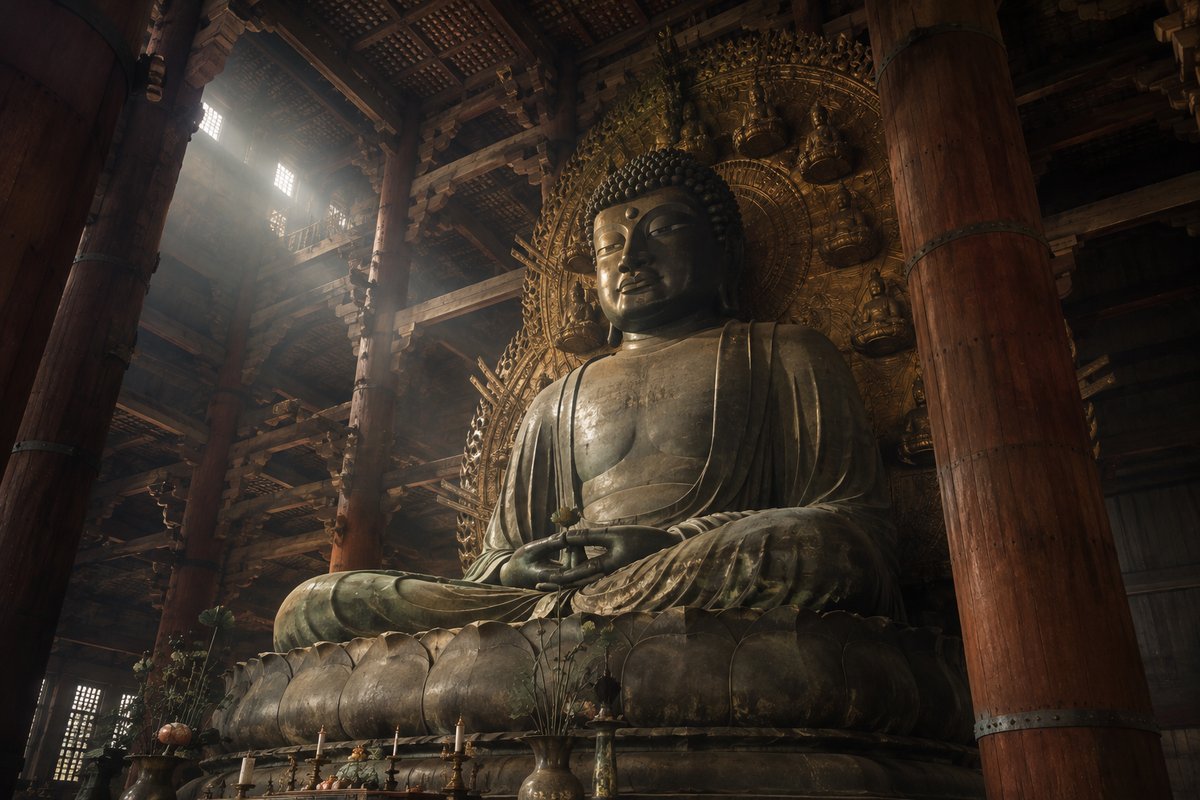 Word 029
You Cannot Give What You Don't Have — On Self, Ego, and Caring for Others
For 1,300 years, the Great Buddha of Nara has sat quietly with its own center intact, "Do you have your own center?"
Read more →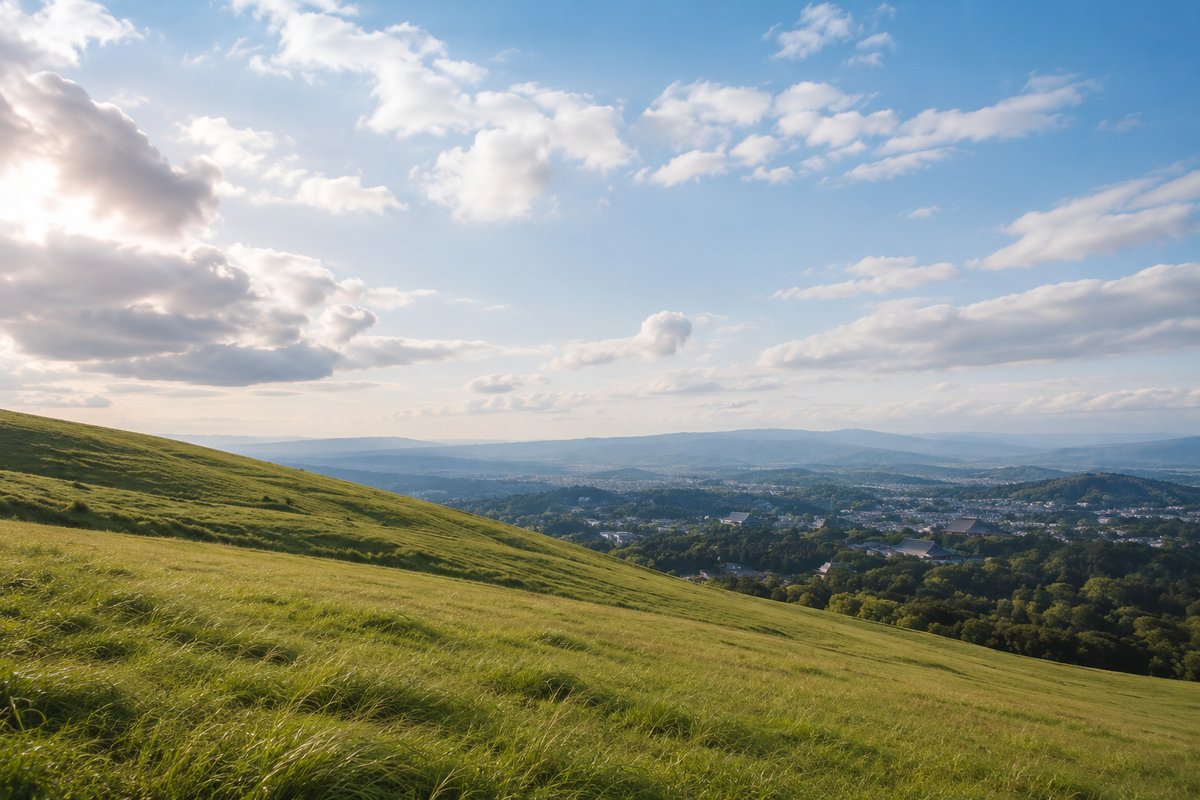 Word 028
Count What You Have, Not What You Lack — A Quiet Lesson from Wakakusa-yama
Standing on the open hillside of Wakakusa-yama, what seems like "nothing" turns out to be filled with everything.
Read more →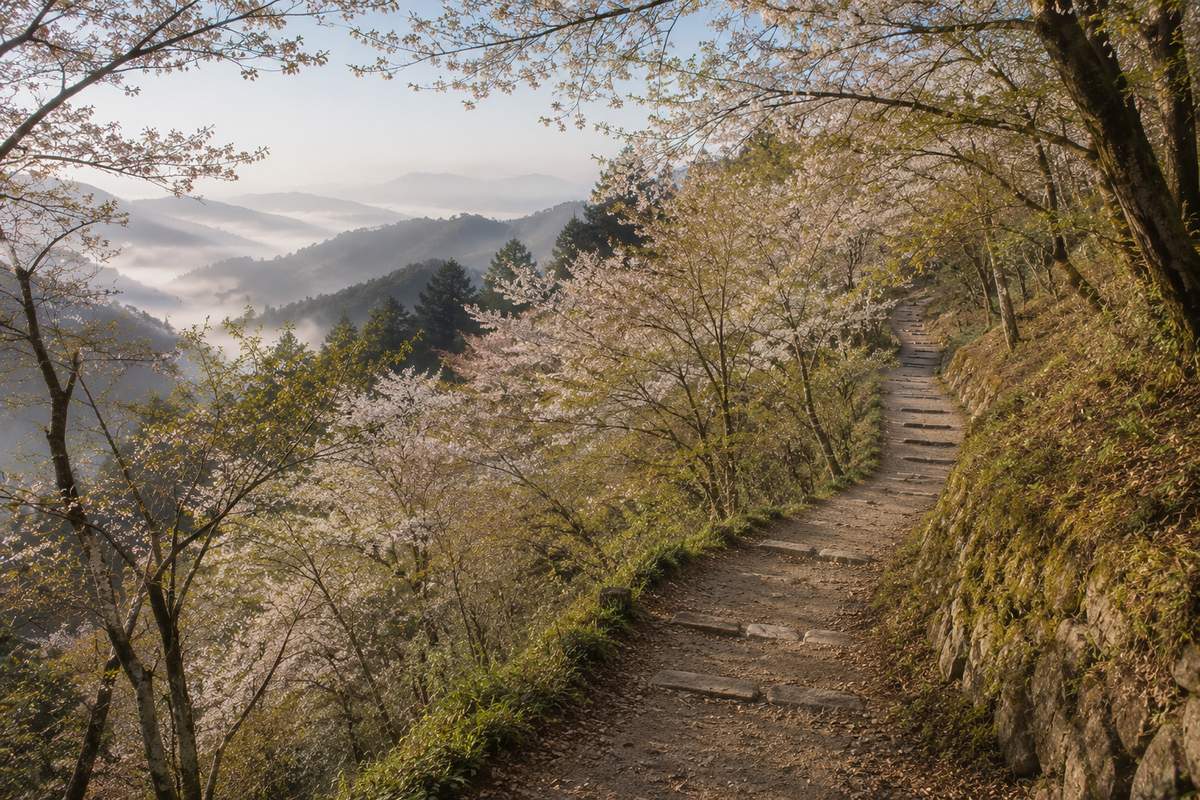 Word 027
The Road You Walked Is Yours — On Choosing Your Own Path
The trails of Yoshino-yama wind upward, and no one walks them for you. Look back, and you'll find a road that only you could have made.
Read more →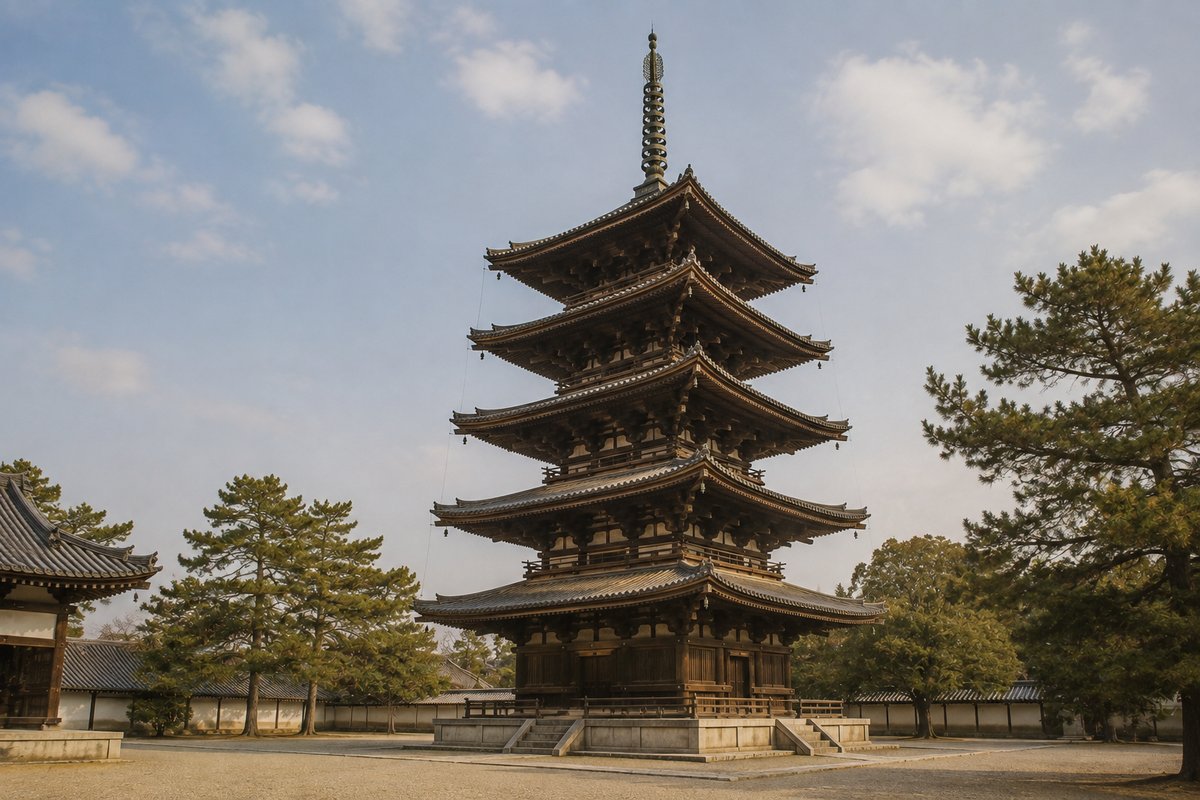 Word 026
Happiness Is Something You Feel — A Quiet Lesson from Horyuji
Standing before Horyuji's 1,400-year-old pagoda, two quiet truths become clear, the capacity to feel, and the will to make time.
Read more →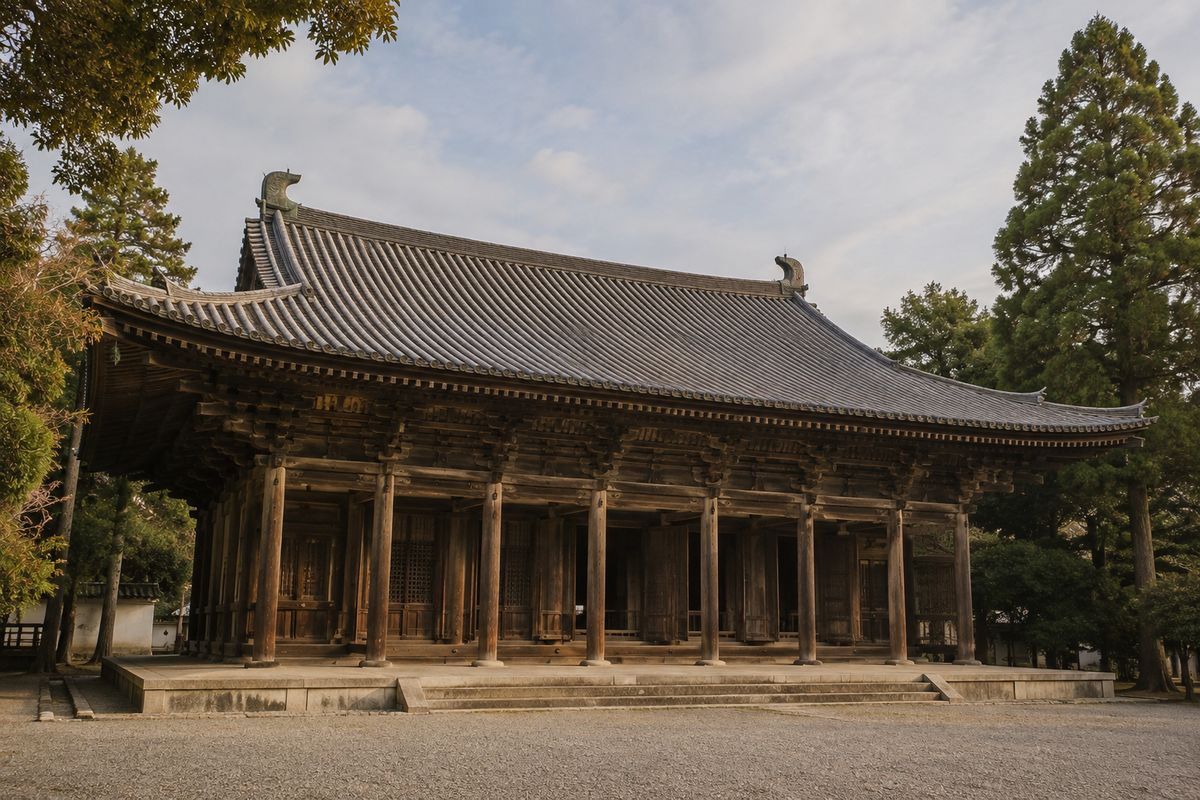 Word 025
Not How Much, But How Much Love — A Lesson from Tōshōdai-ji
Ganjin of Tōshōdai-ji crossed from China six times, lost his sight, and still gave his whole heart to every person he met.
Read more →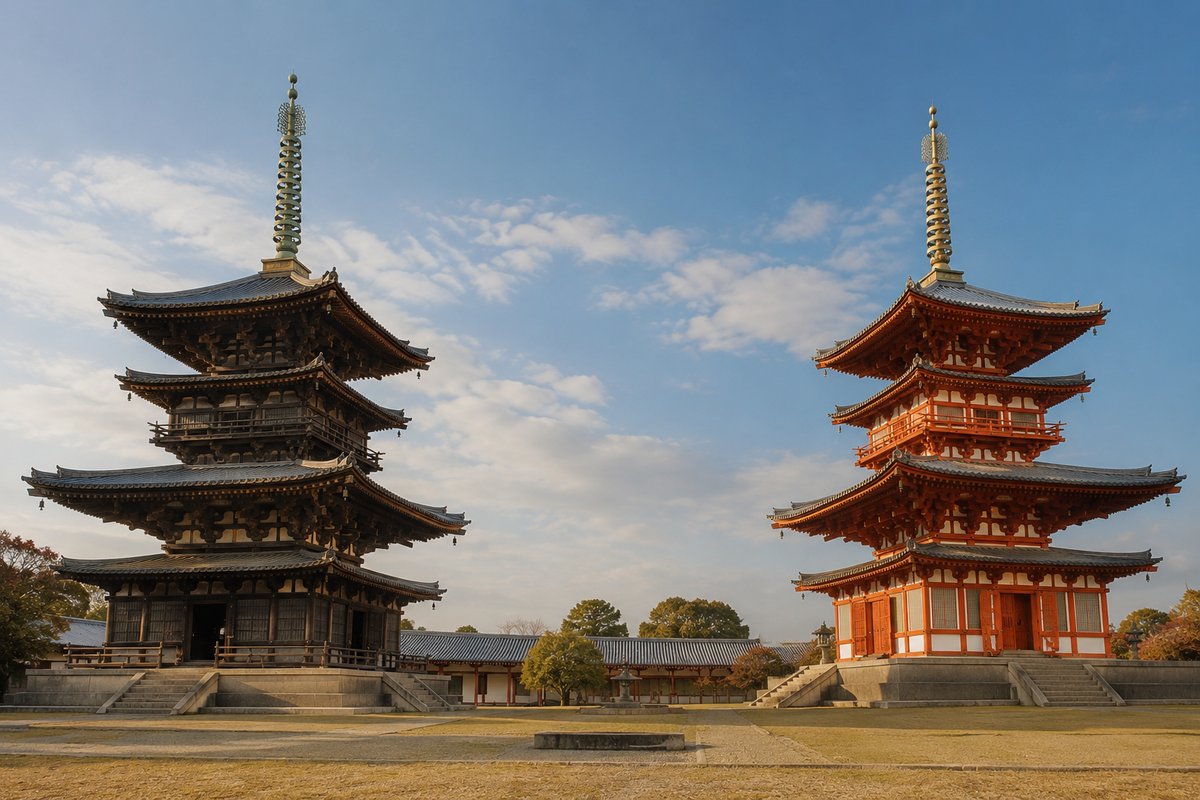 Word 024
The Filter Called "Self" — On Seeing the World Through Our Own Lens
Two pagodas at Yakushi-ji, same sky, same precinct, yet entirely different things to different eyes.
Read more →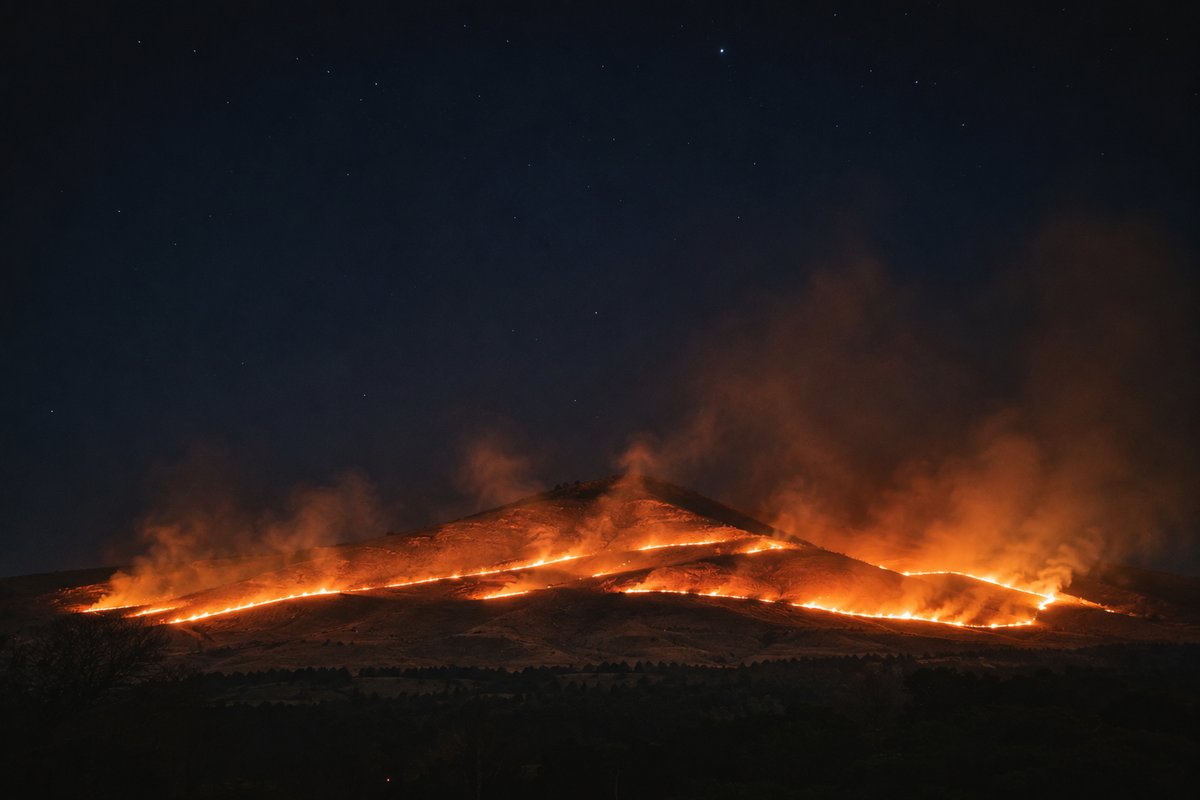 Word 023
Heaven Never Gives You More Than You Can Bear — A Grandmother's Wisdom
Like Wakakusa-yama, scorched each winter and reborn each spring, brighter than before.
Read more →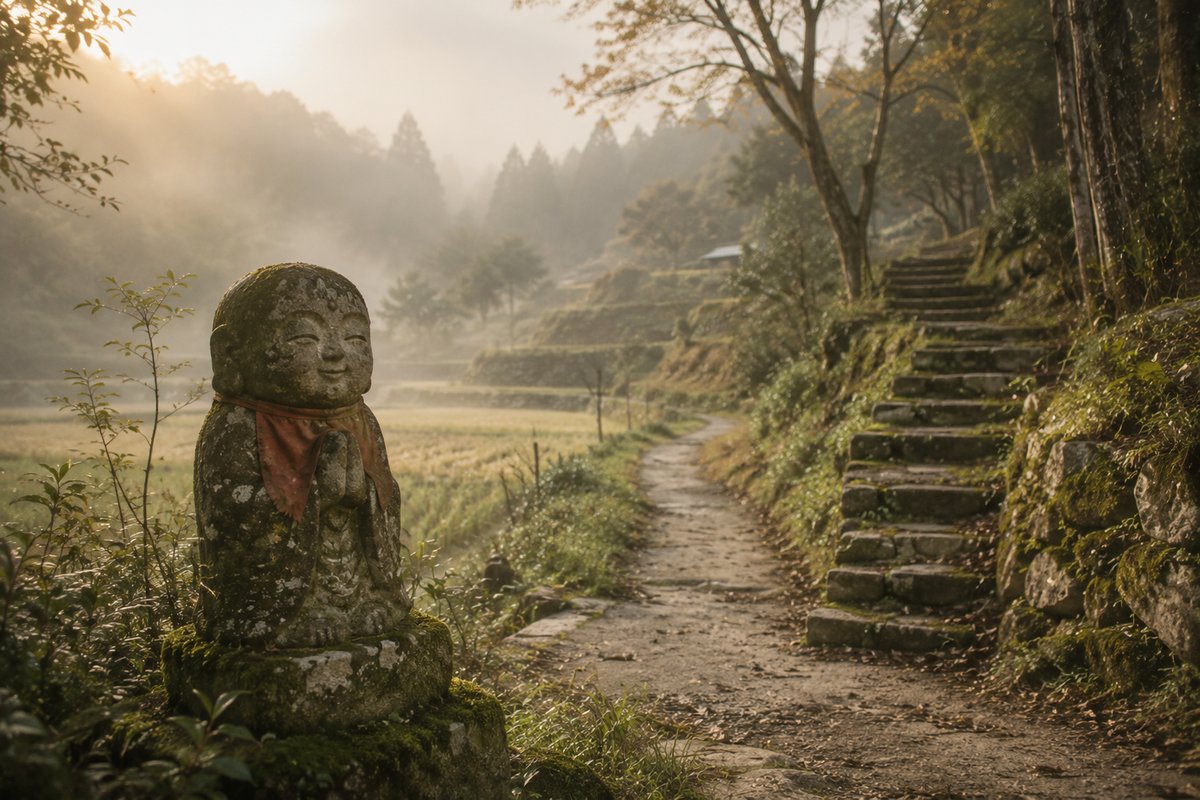 Word 022
Be Just Like You — What a Jizō Teaches Us
A Jizō standing quietly in Nara's neighborhood, the simplest teacher of all.
Read more →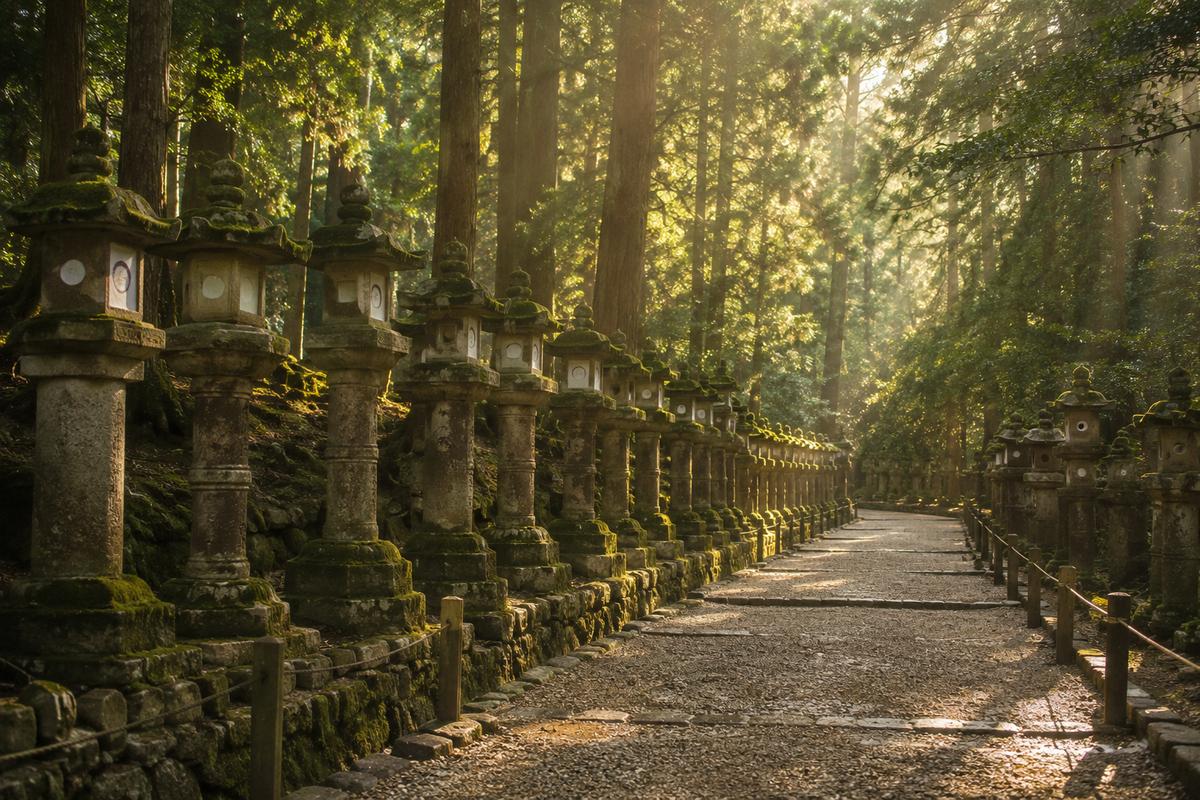 Word 021
There Is No "What If" — Life Unfolds Exactly As It Must
The stone lanterns of Kasuga Grand Shrine, standing for centuries, exactly where they were meant to stand.
Read more →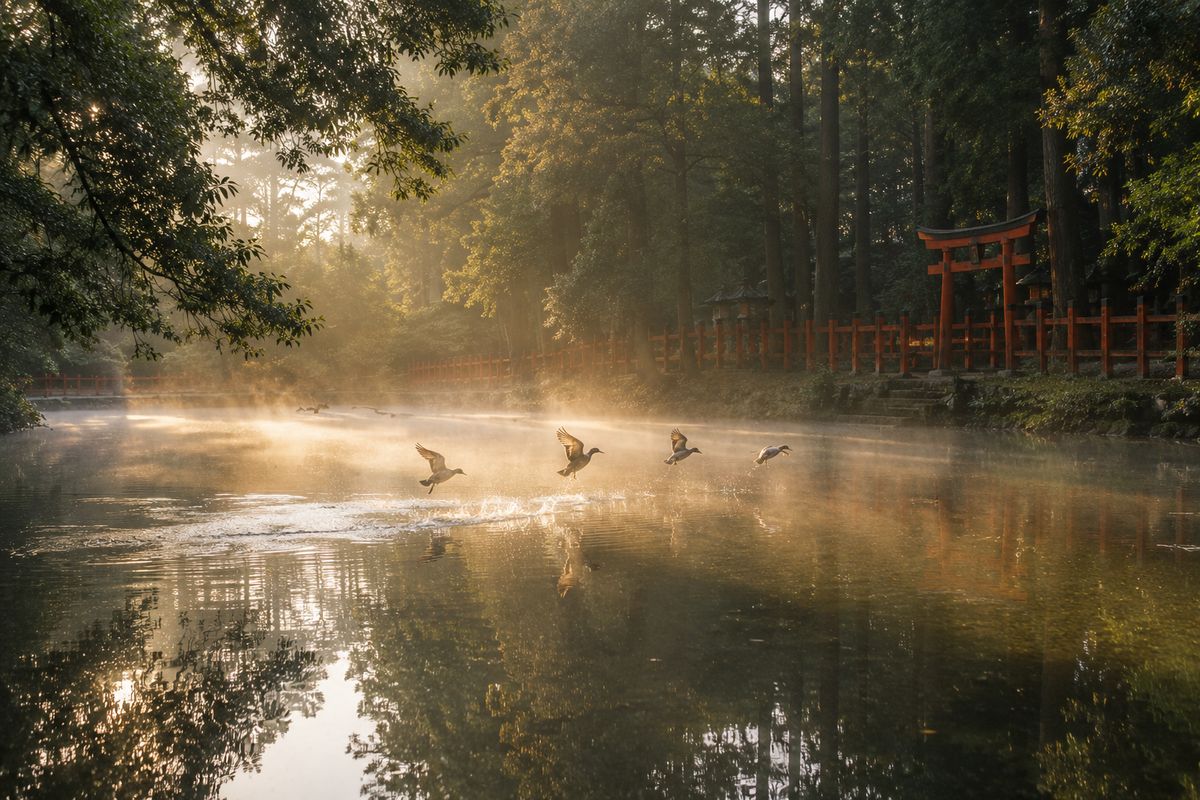 Word 020
Addition or Subtraction — Two Ways Out of Life's Constraints
At Kasuga Grand Shrine's pond of release, a thought on what we carry, and what we were never meant to hold.
Read more →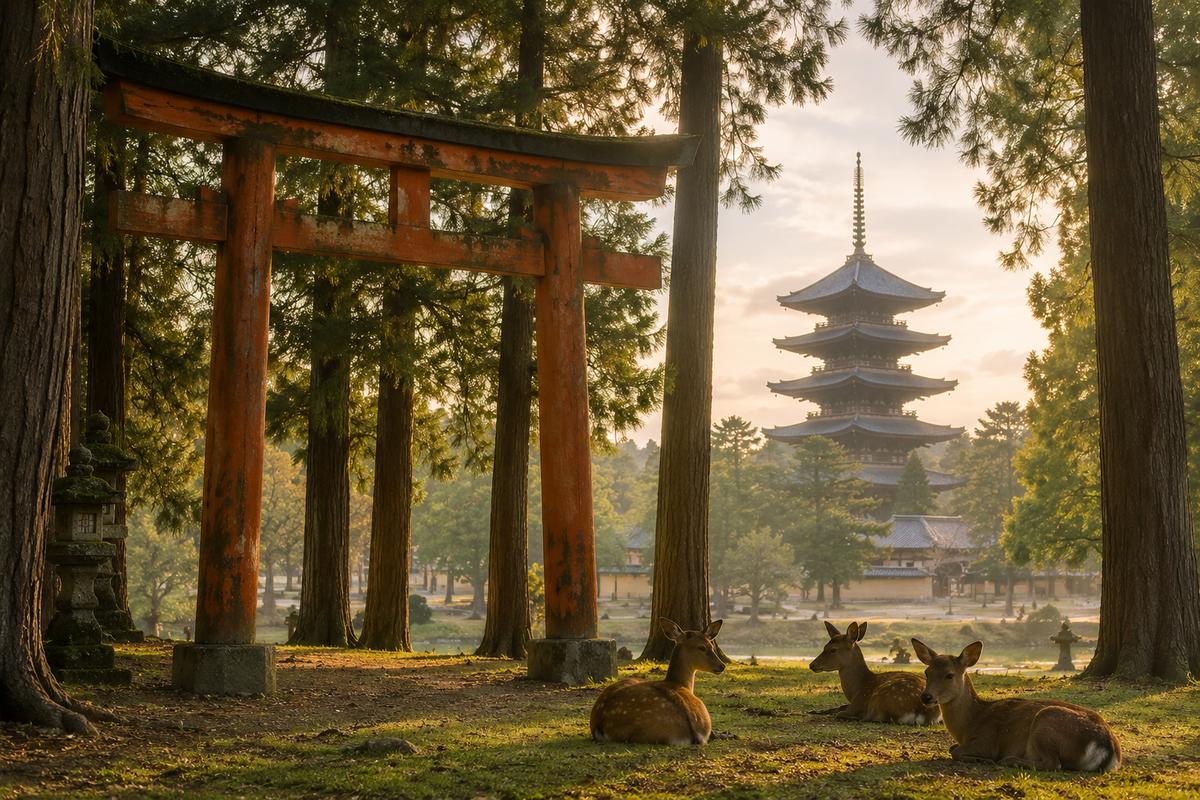 Word 019
As Many Right Answers as There Are People
Kasuga Shrine and Kofukuji, gods and Buddha standing side by side in Nara for over a thousand years.
Read more →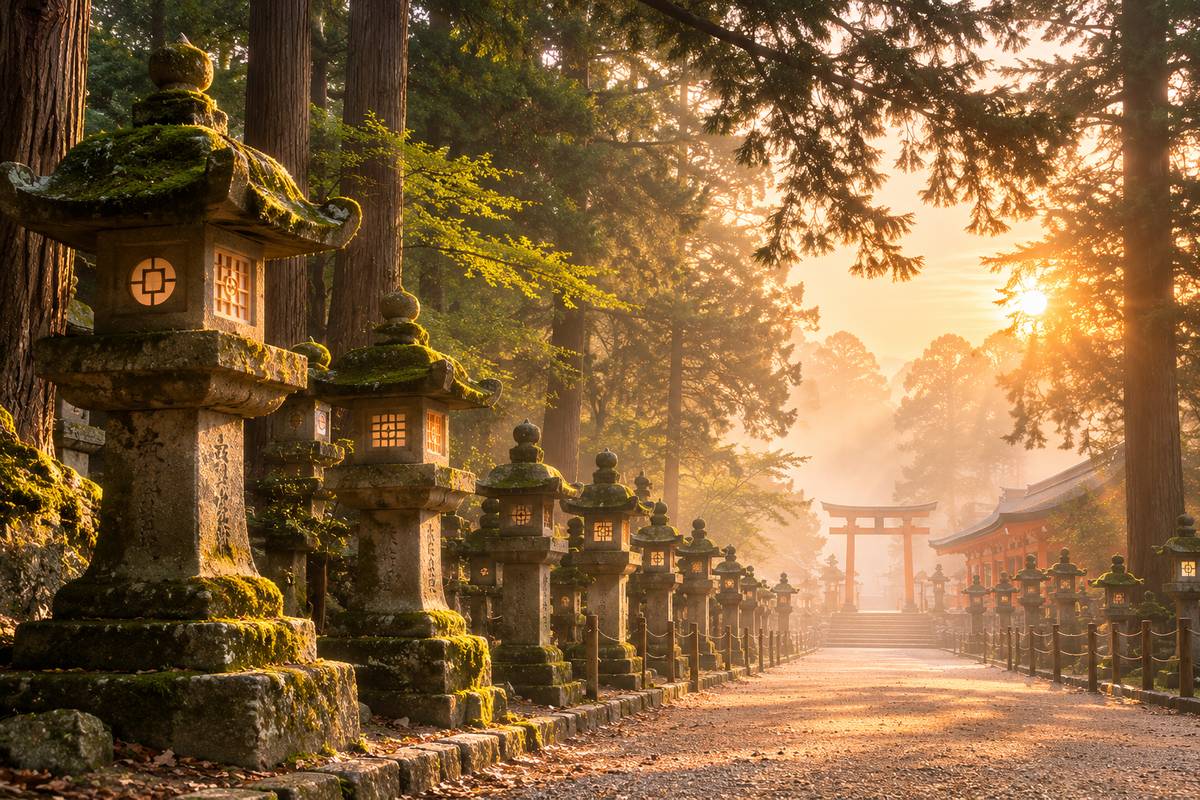 Word 018
Heaven Knows — and So Does Someone Who Cares
The stone lanterns of Kasuga Shrine have stood for a thousand years, not to be seen, but simply to be.
Read more →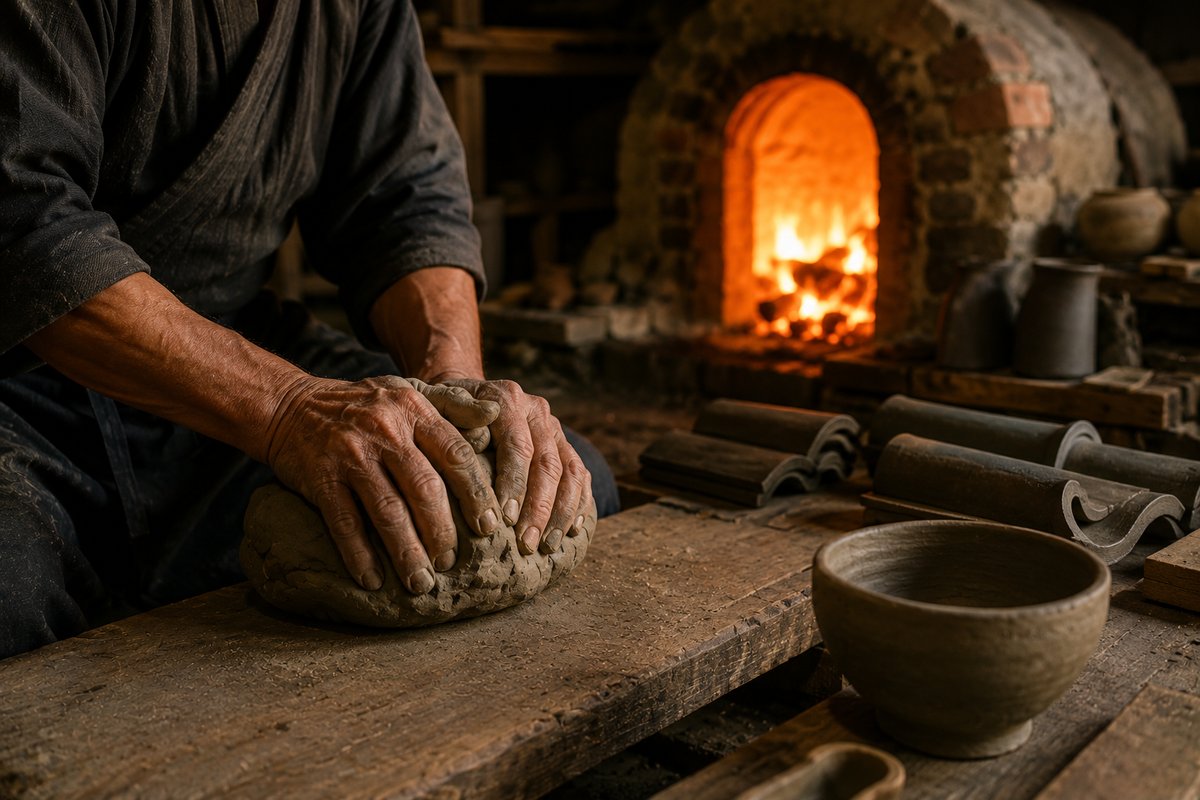 Word 017
Dance with Failure — It's the Only Path to Success
The temples of Nara, built through countless failures, still standing after 1,300 years.
Read more →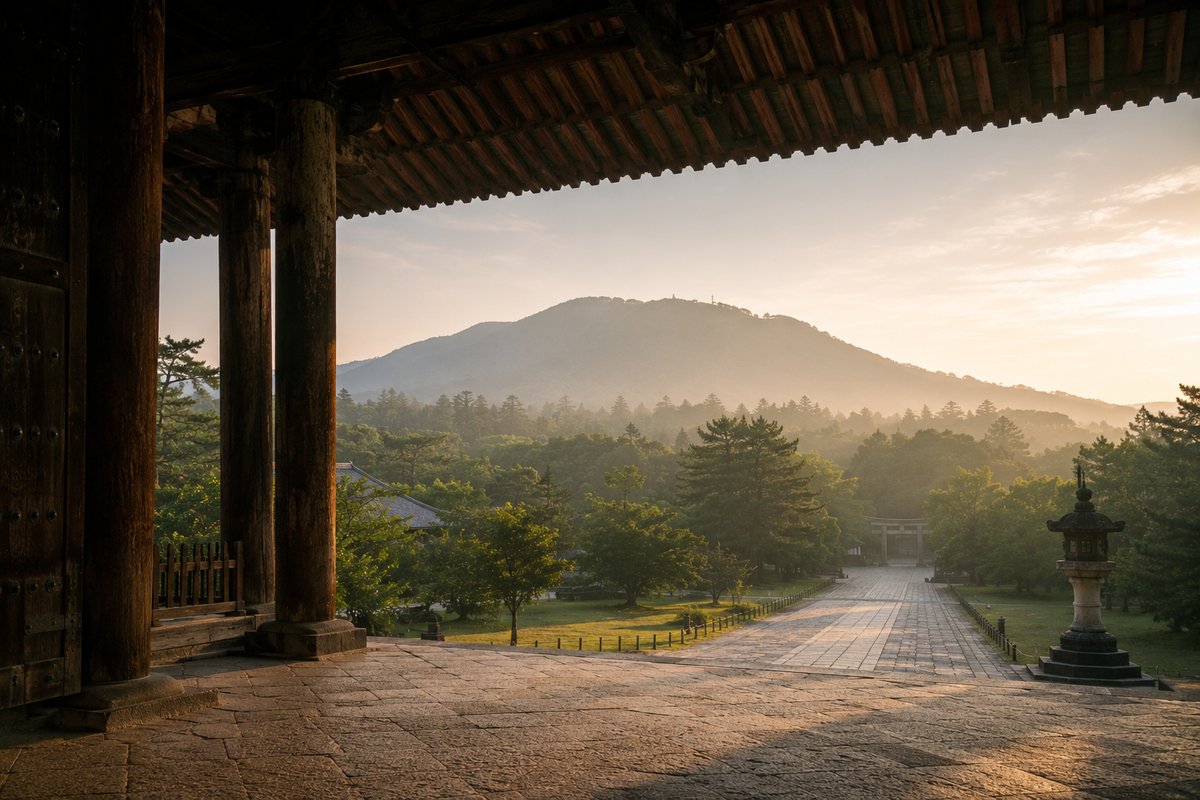 Word 016
You Are the Only One Who Sets Your Limits
Nara has stood for 1,300 years, built by those who never decided their own limits.
Read more →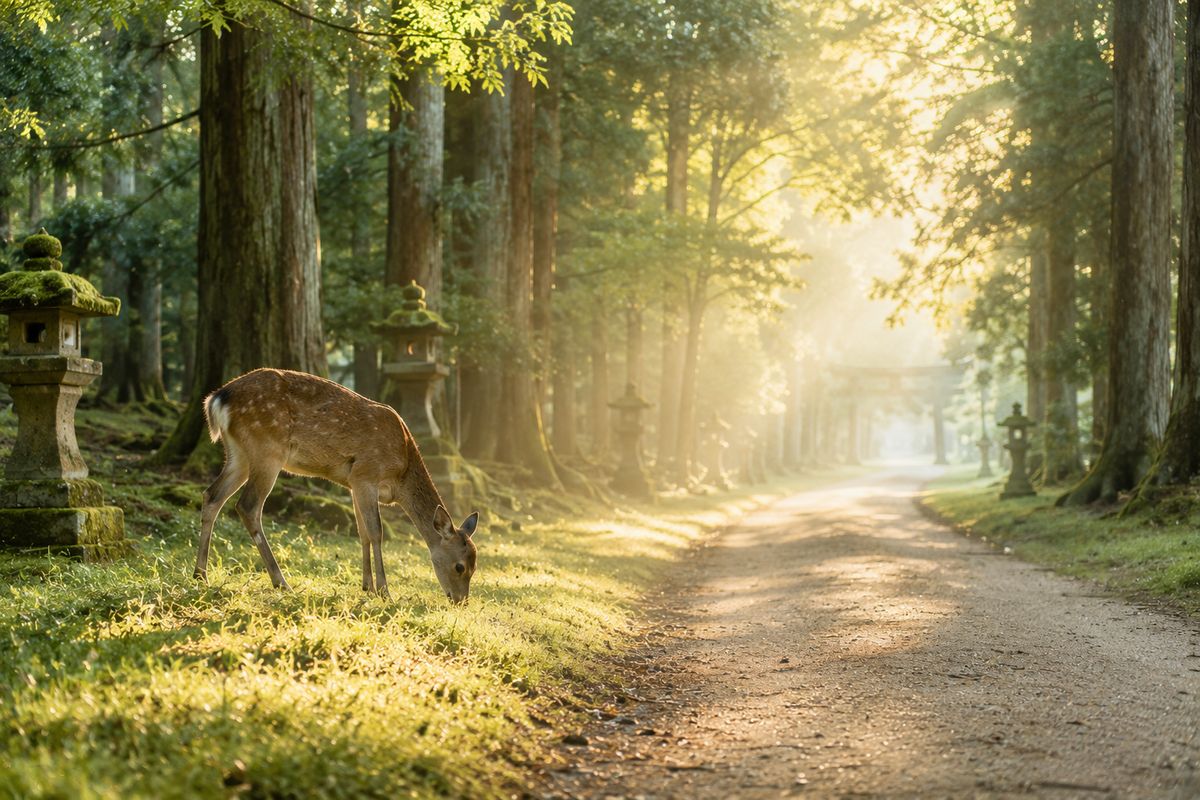 Word 015
Will You, or Won't You?
Standing on a Nara shrine path in May, realizing that every step forward began with one simple decision.
Read more → Word 014
Nothing in Life Is a Given
An ordinary morning in Nara, or was it really ordinary?
Read more →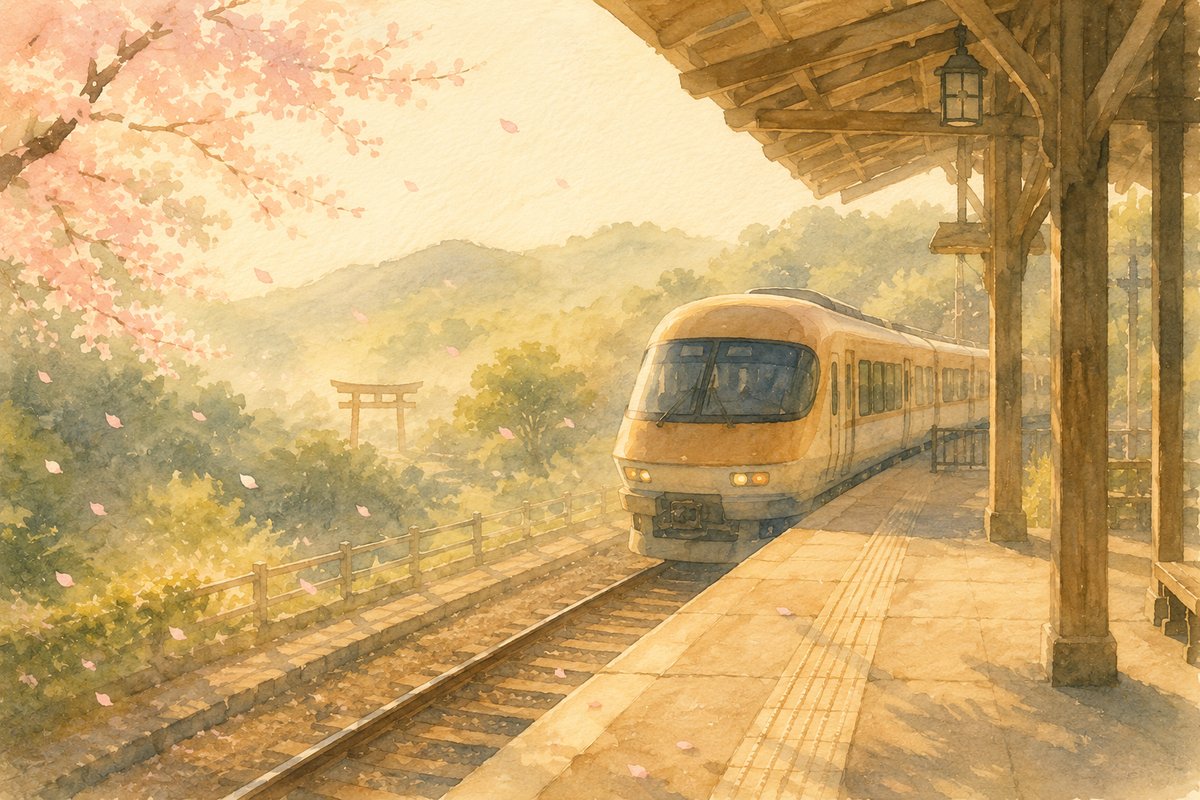 Word 013
Every Moment Is Once in a Lifetime
A small boy from Europe, a platform in Nara, a smile and a wave through a train window.
Read more →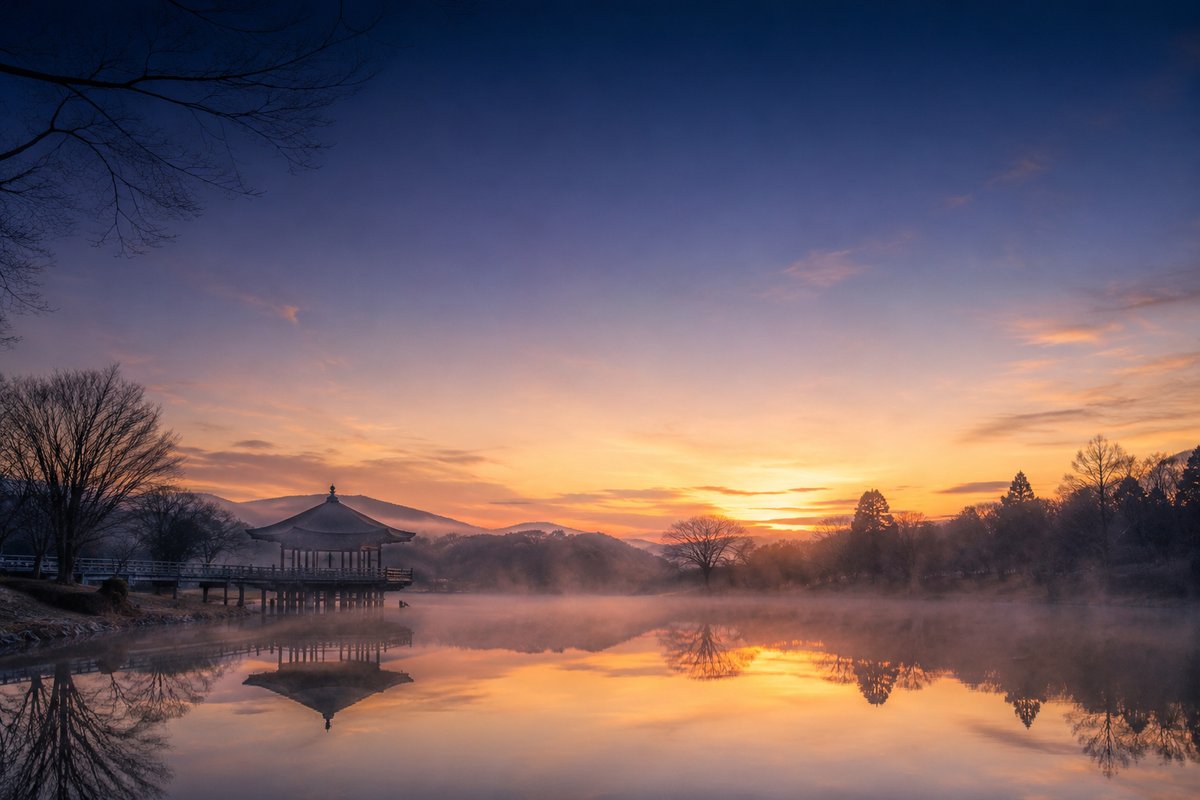 Word 012
No Night Lasts Forever
Waking before dawn on a cold morning, a quiet light at the edge of the curtain.
Read more →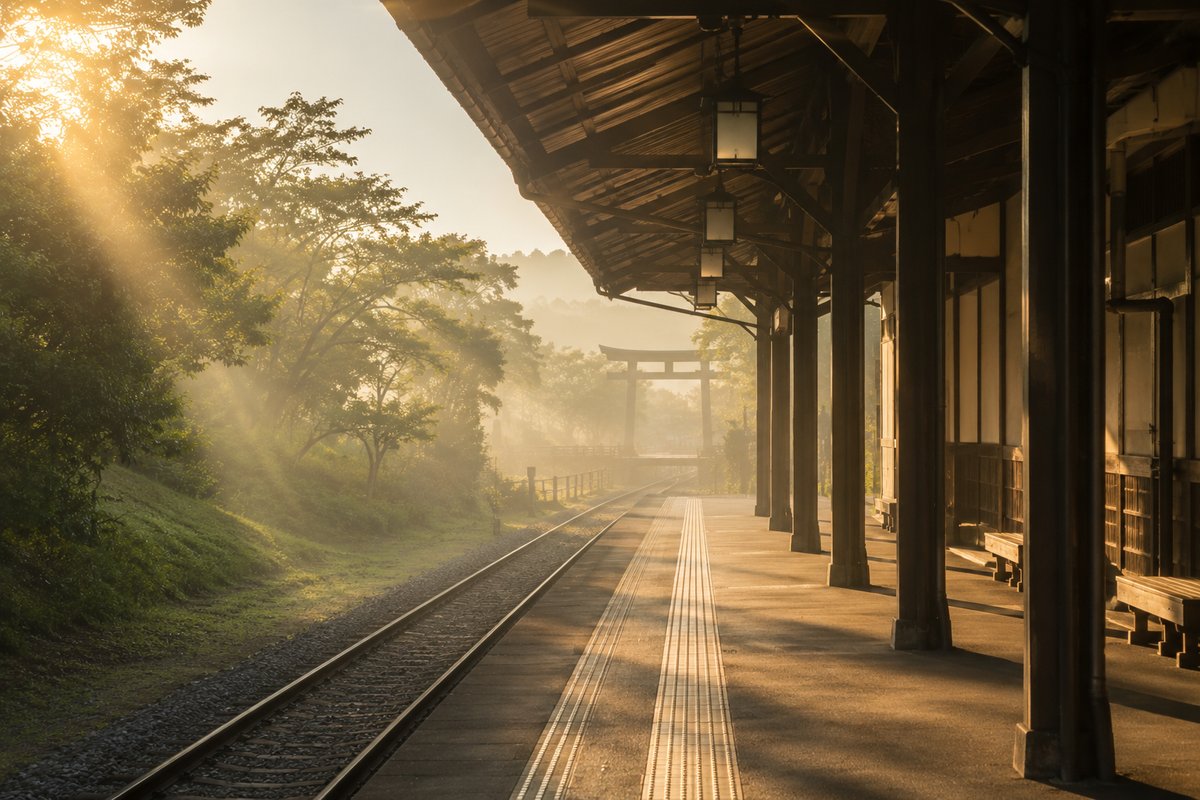 Word 011
Your Words Can Make the World Better
One morning at a station restroom, a simple thank you made the morning feel a little brighter.
Read more →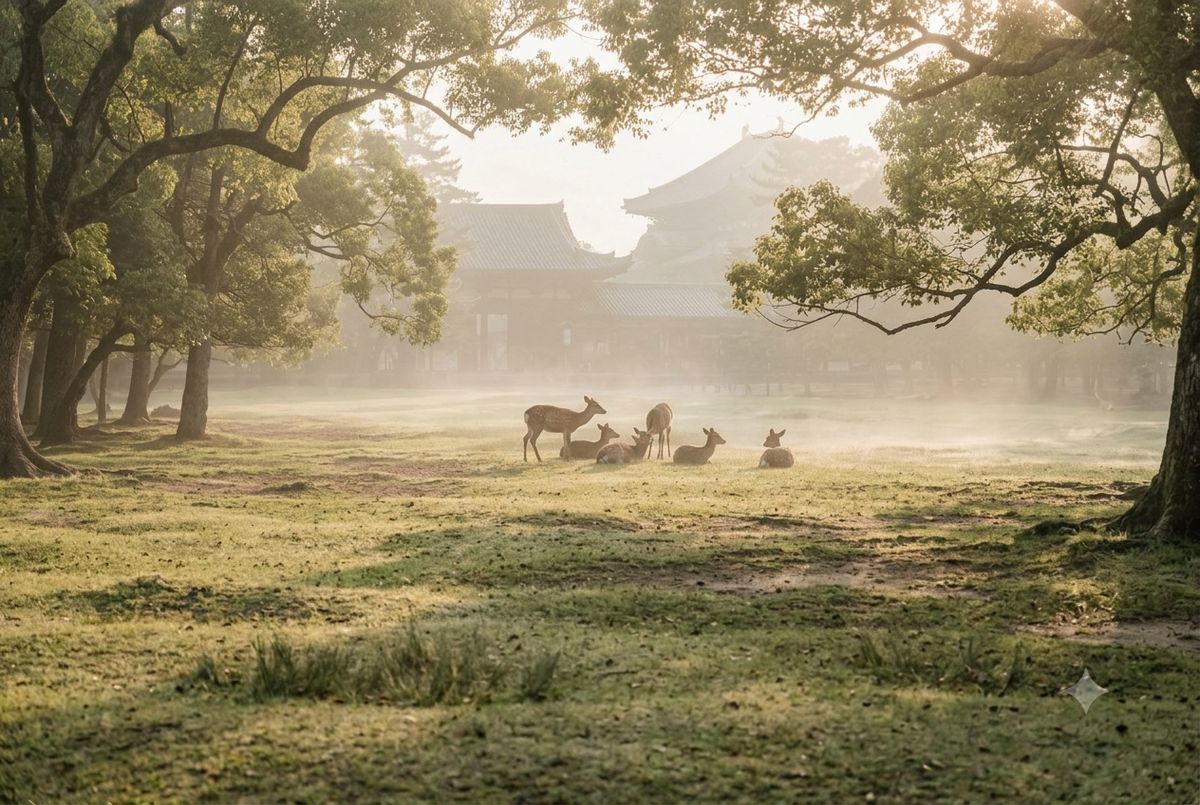 Word 010
The Journey of Learning Never Ends
Watching travellers from around the world pass through Nara, a memory surfaced from thirty years ago.
Read more →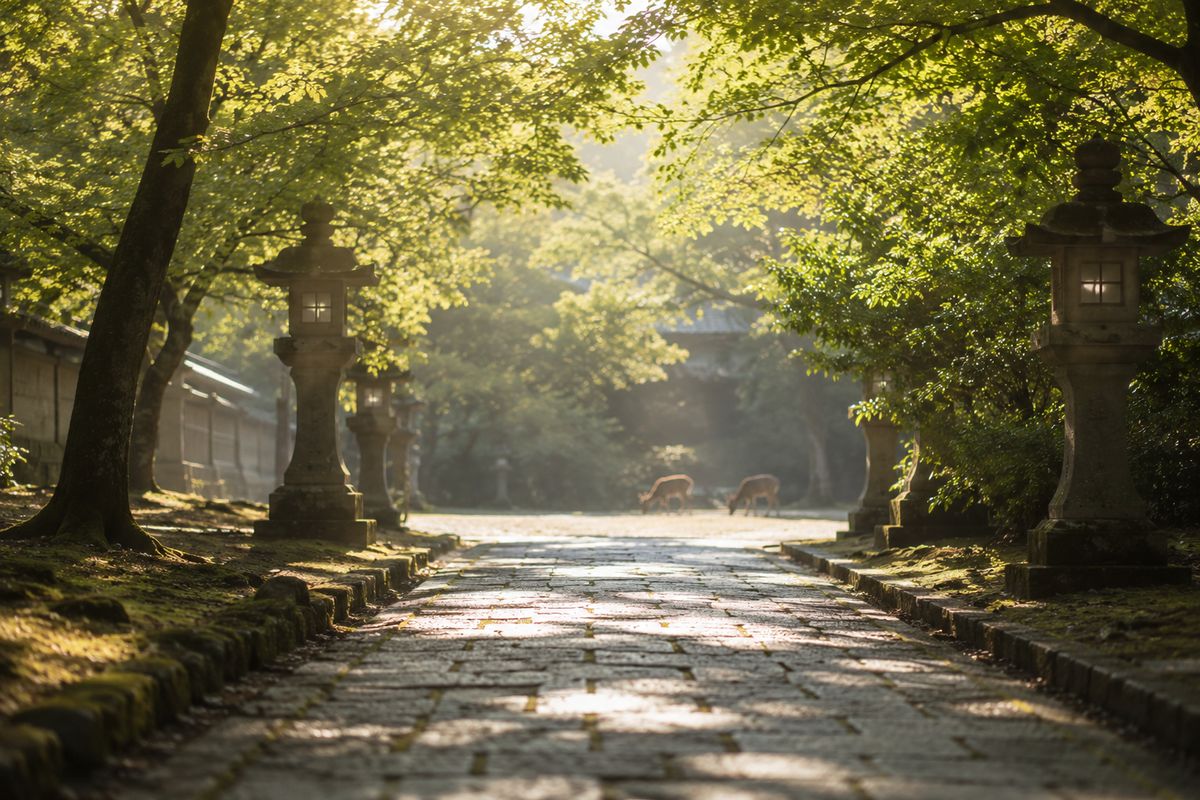 Word 009
Your Life Is Made of Words
Walking the stone paths of Nara in May, one quiet word of thanks softened a stranger's face.
Read more →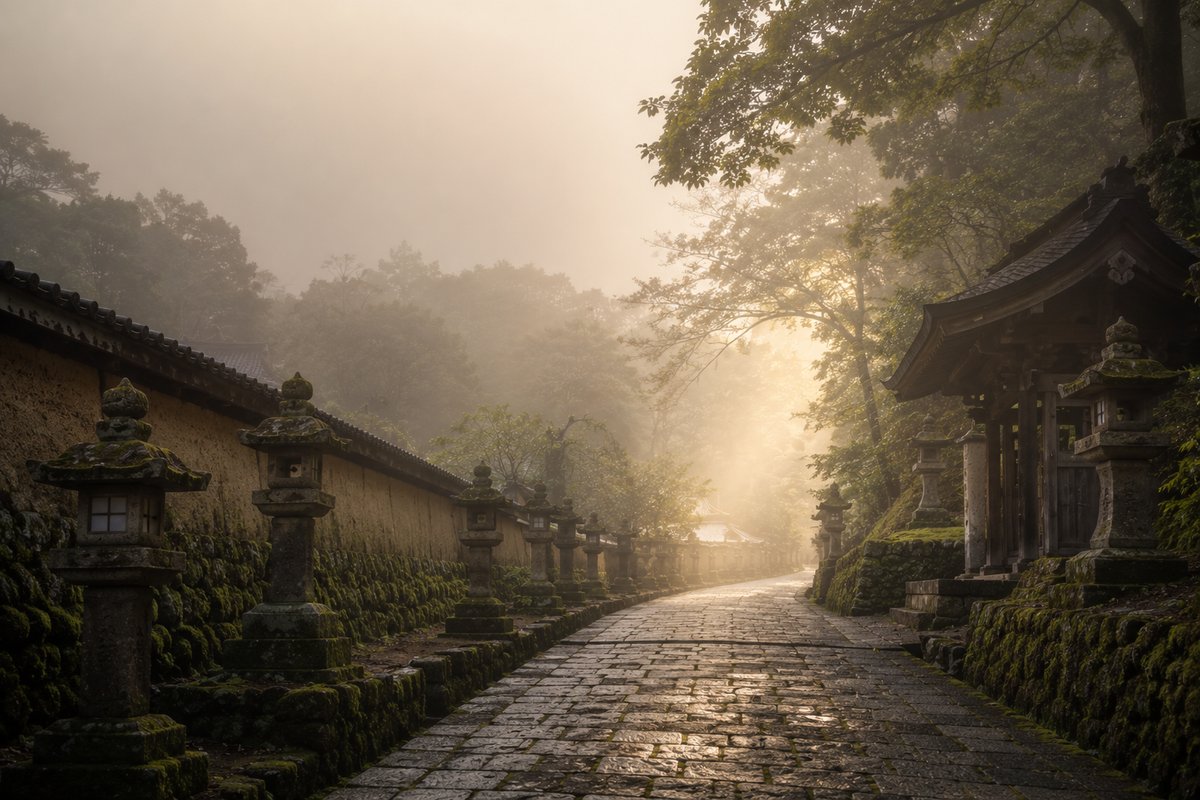 Word 008
Great Doubt, Great Enlightenment
In Nara, where visitors never stop arriving from around the world, four characters from a friend in Taiwan.
Read more →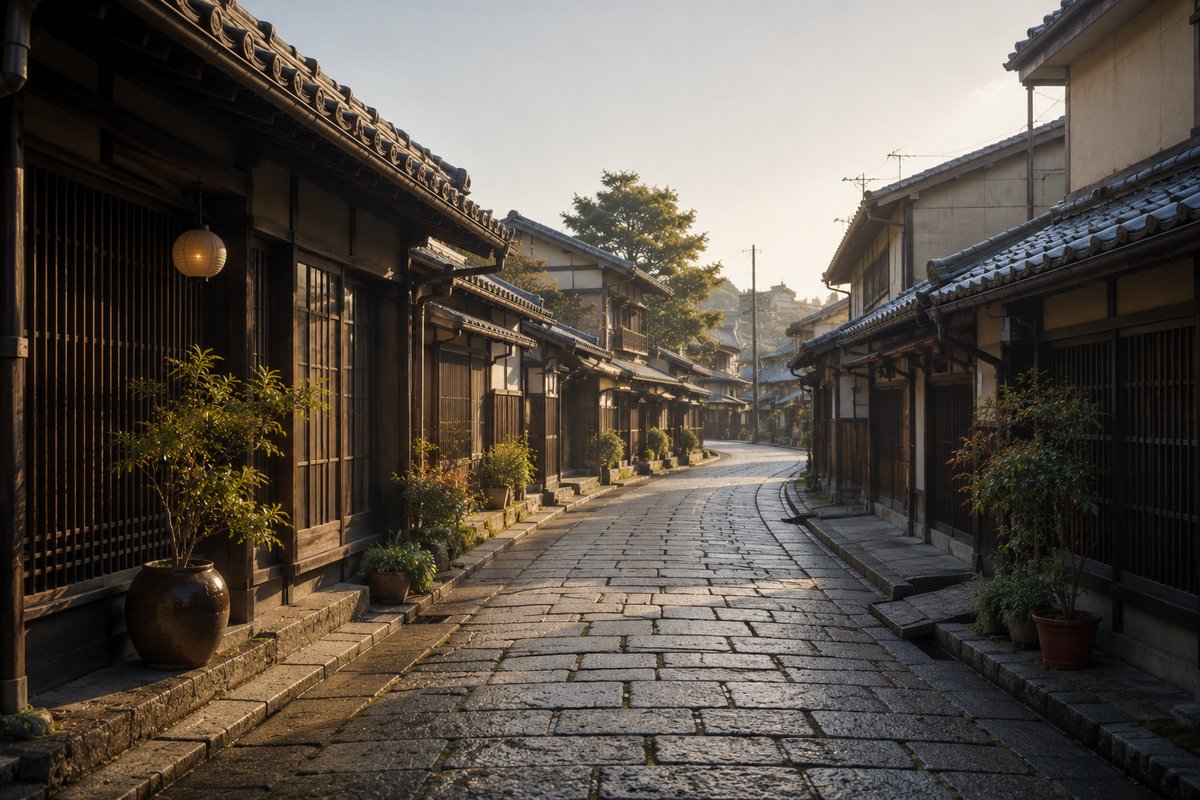 Word 007
The Creator of Your Own Life
A Golden Week morning in Nara, pausing in a corner of the ancient city.
Read more →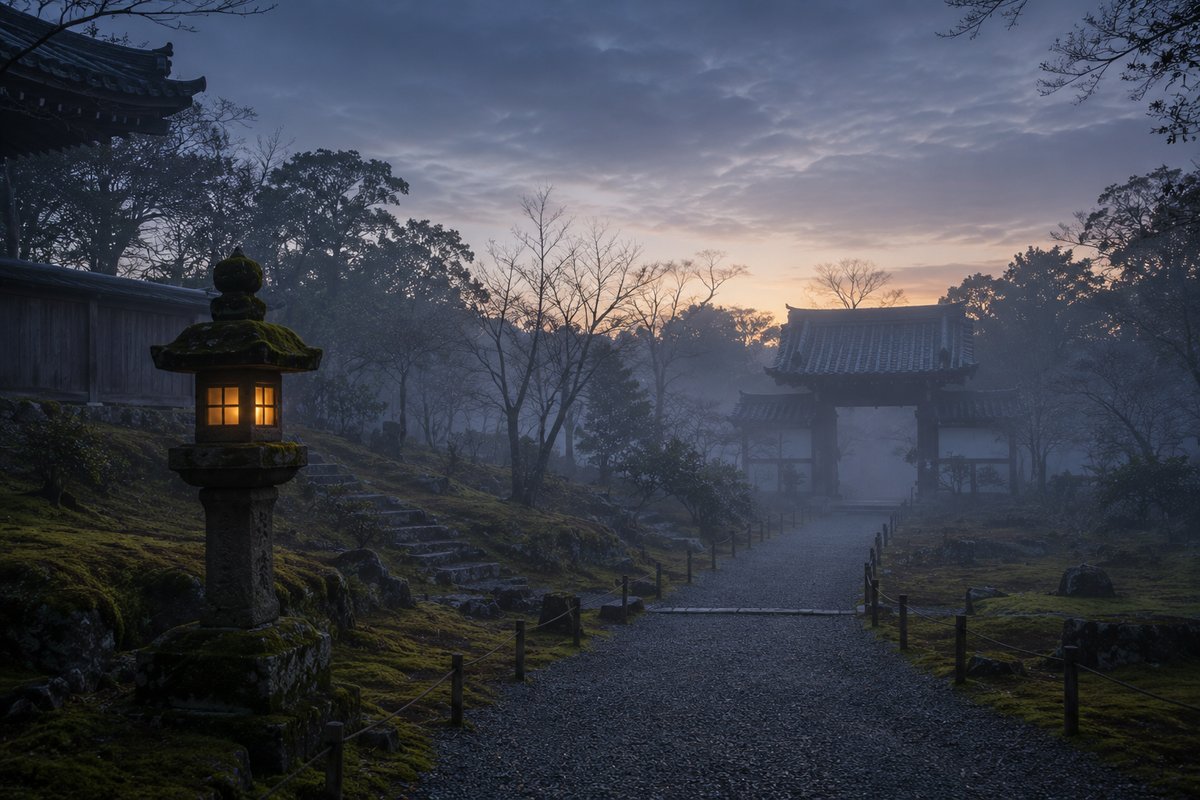 Word 006
How to Become Kind
Before sunrise in Nara, a quiet question in the stillness of early morning.
Read more →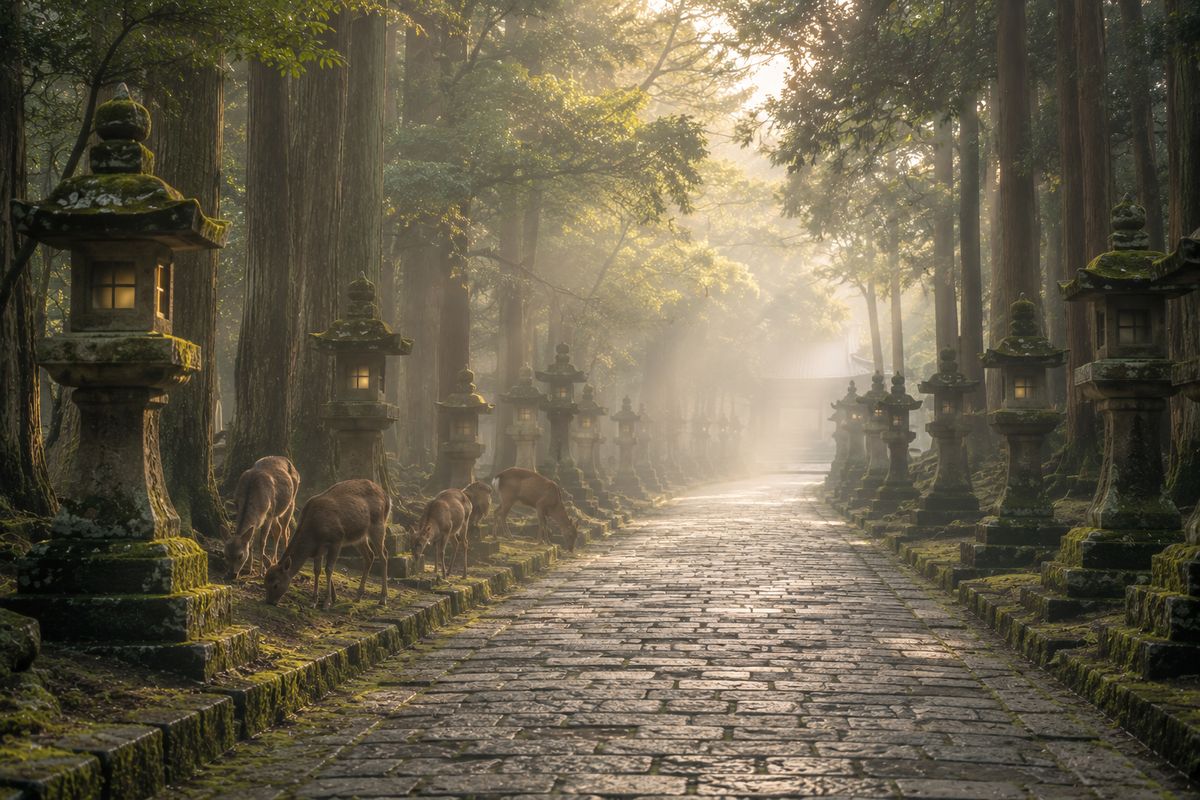 Word 005
Life Is a Journey to Find Yourself
Deer grazing at Kasuga Shrine, a reflection on self-discovery.
Read more →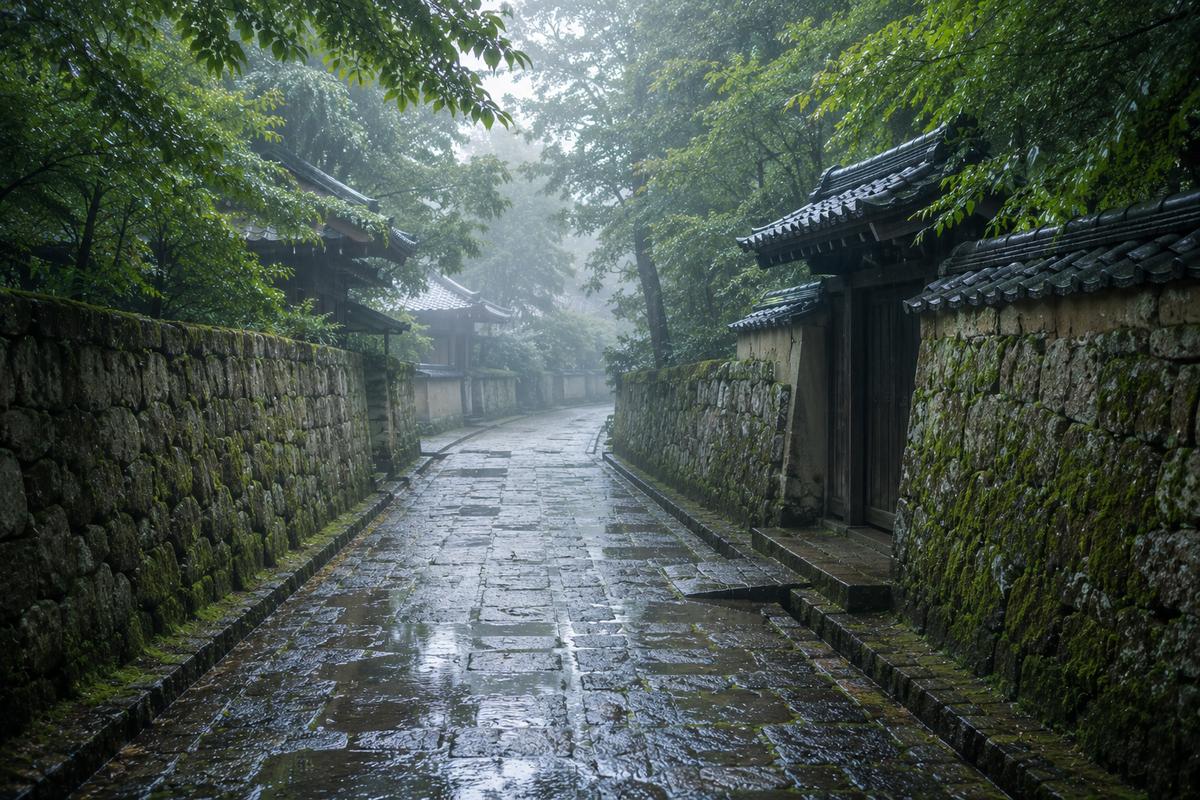 Word 004
The Journey Itself Is the Destination
A stormy morning in Nara, a reminder to stop rushing.
Read more →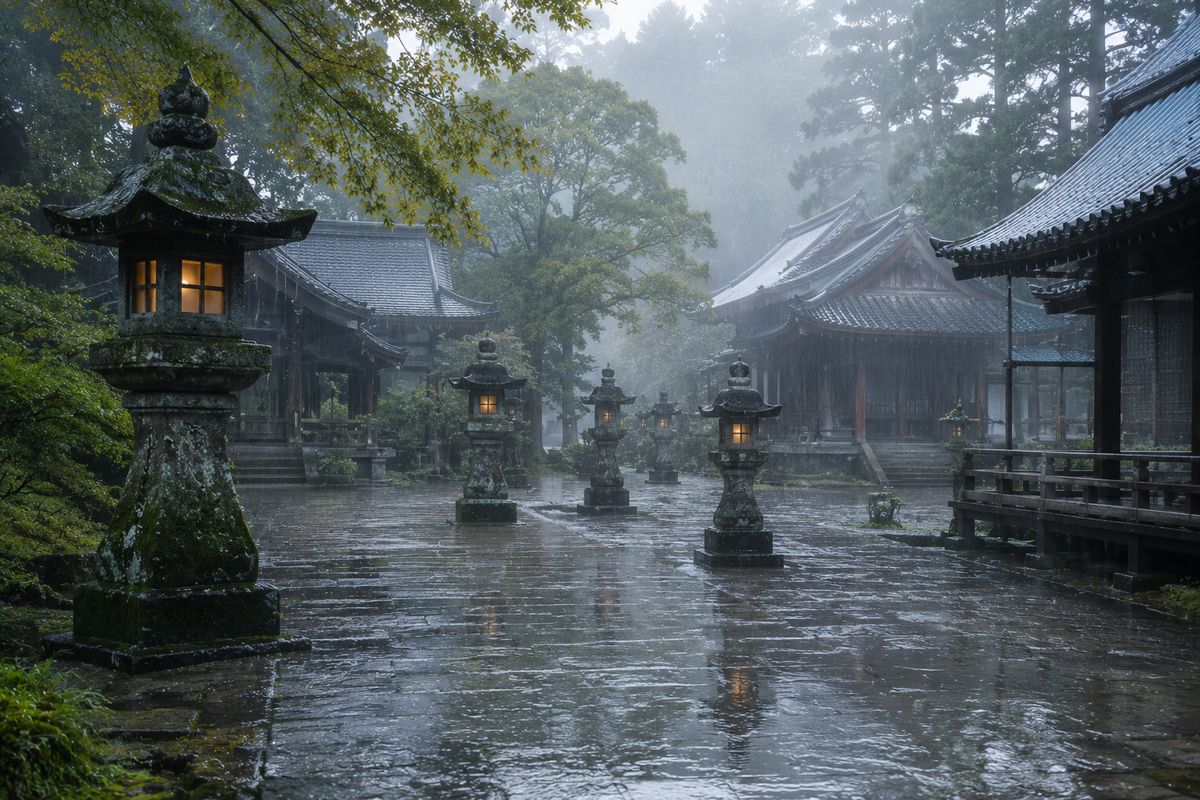 Word 003
The Answer Lies Within
A rainy morning in Nara, sitting quietly with oneself.
Read more →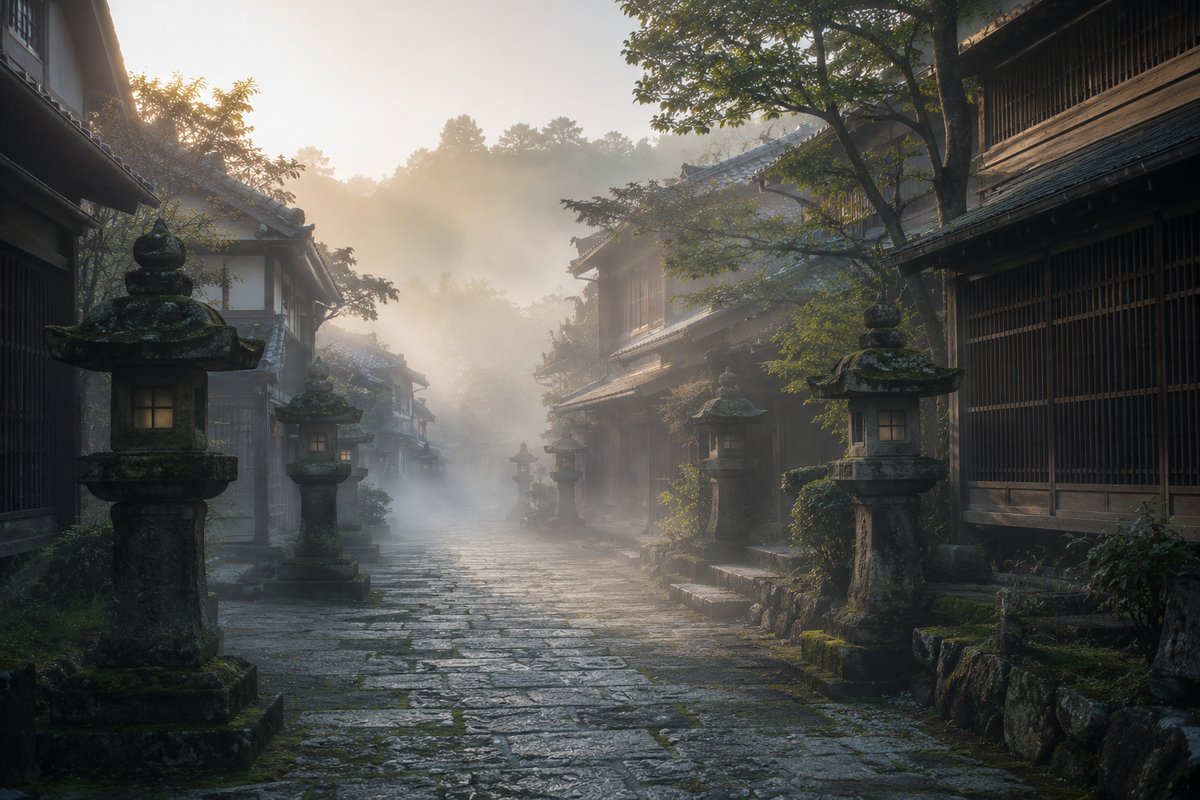 Word 002
Why Do We Feel Anxious?
Nara, the ancient heartland of Japan, in the stillness of early morning.
Read more →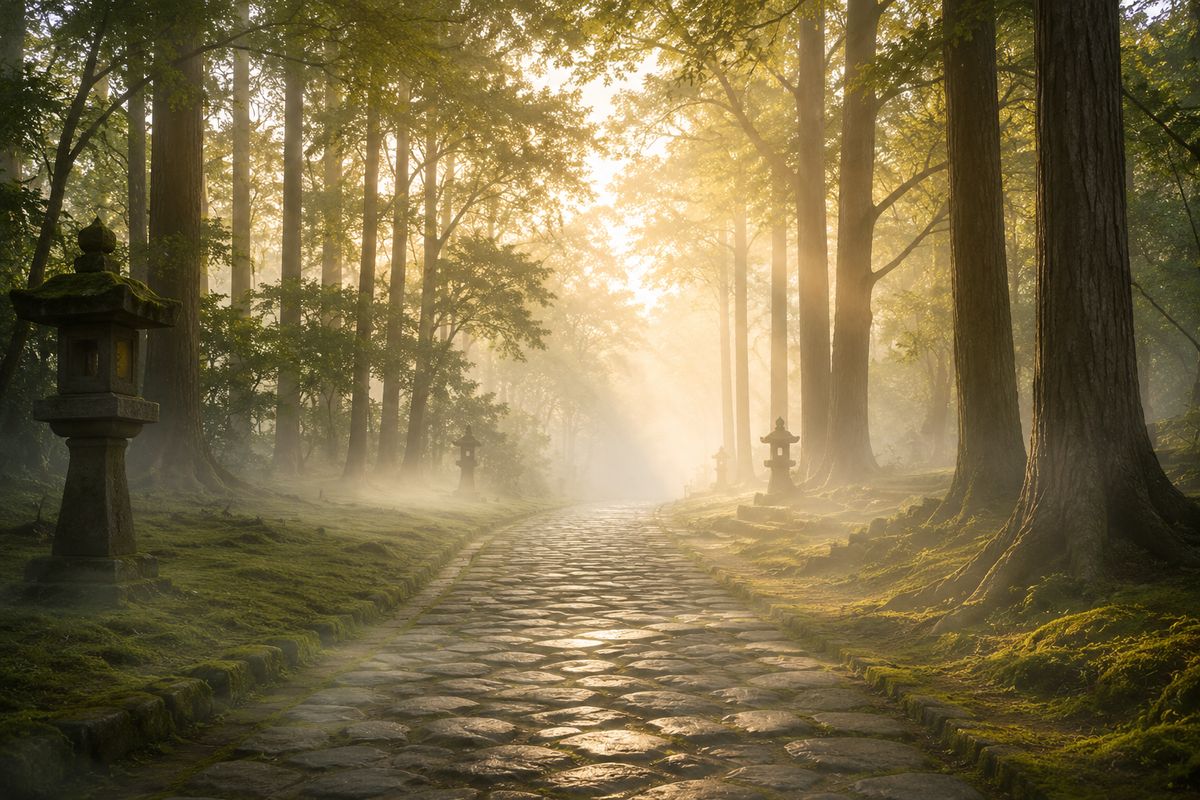 Word 001
Change Yourself, Change Everything
A quiet morning in Nara, and fifty years of life, reconsidered.
Read more →